Driver Bus Lines
Company History
Full Version
1917-1929
The early years at Grant Brothers
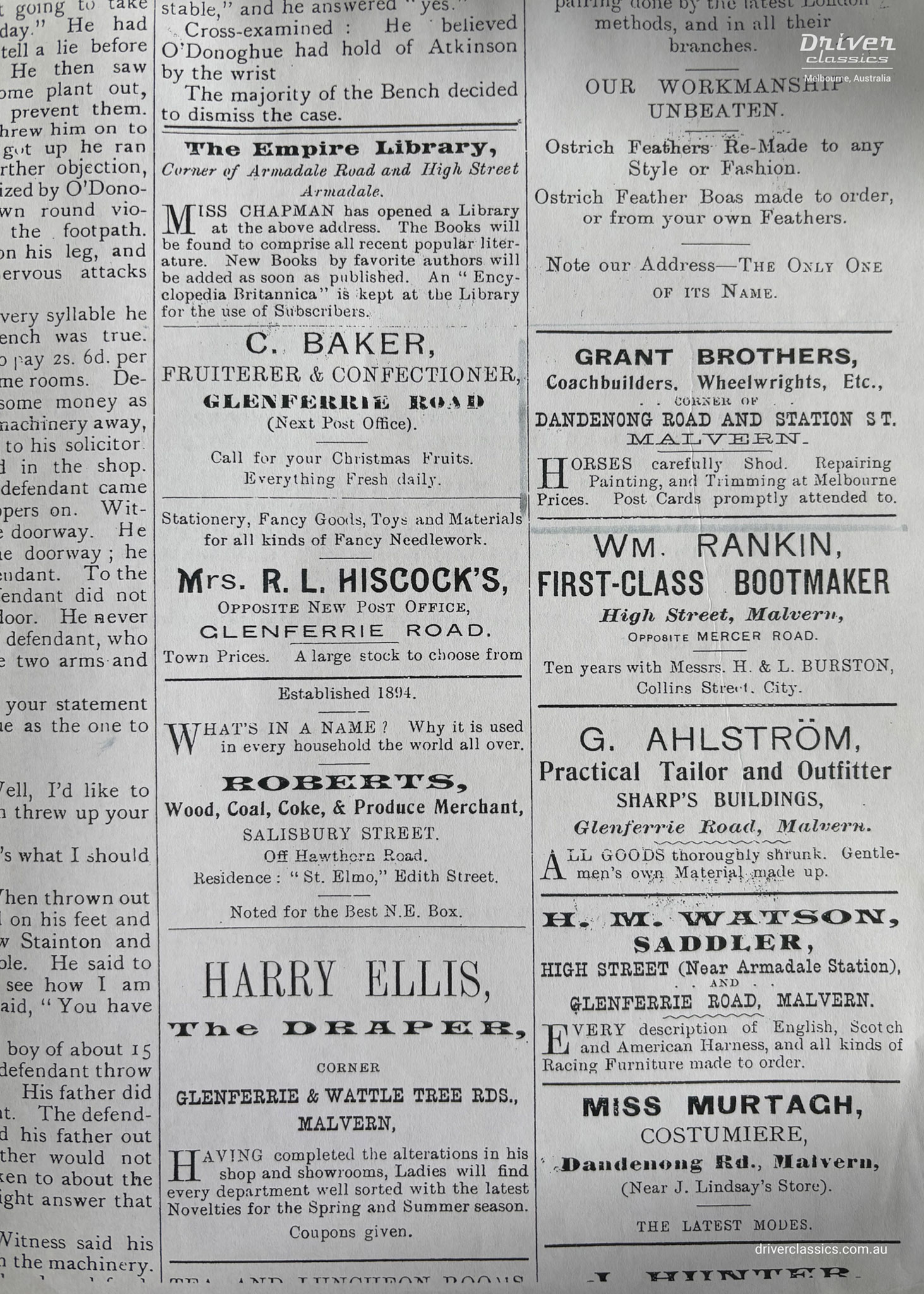
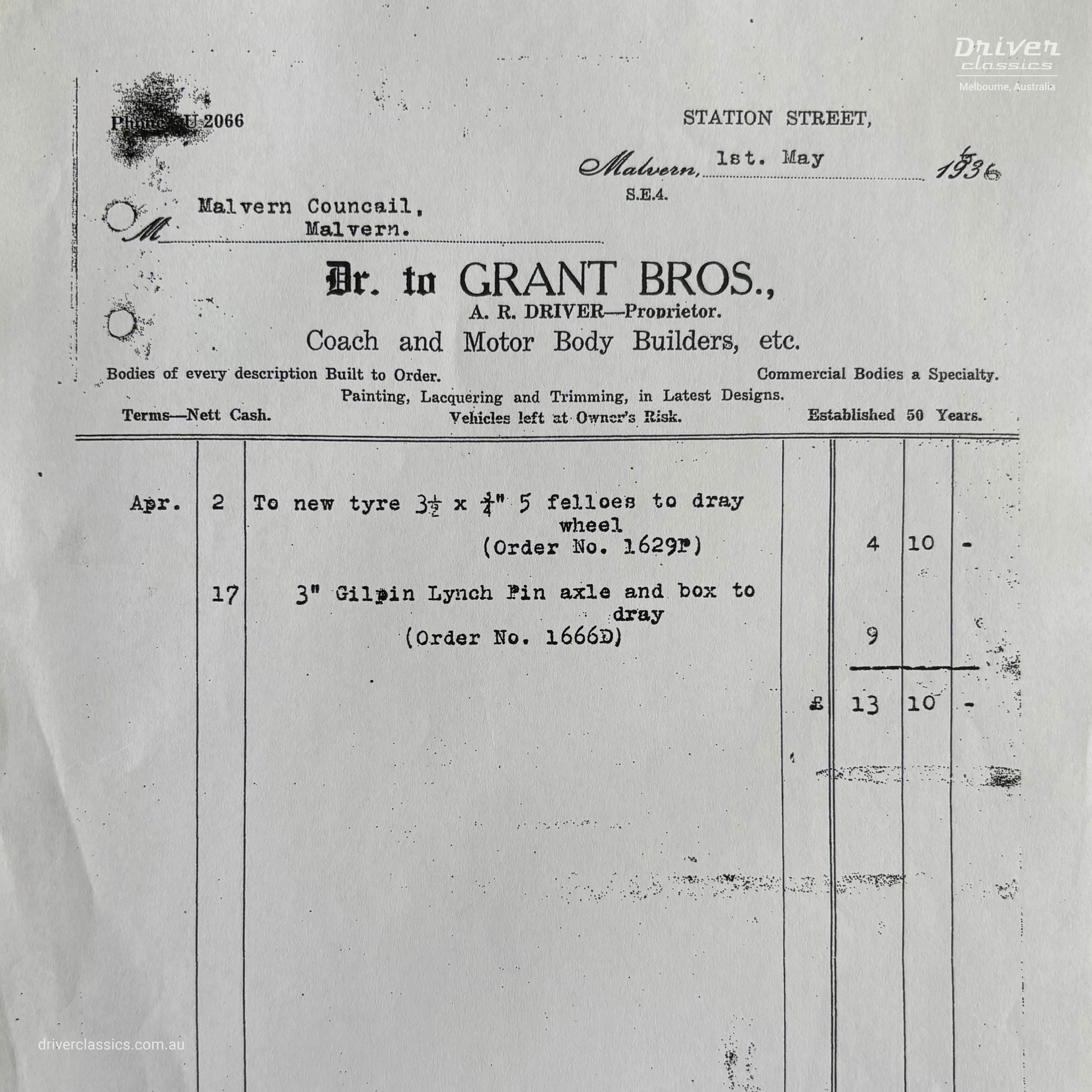
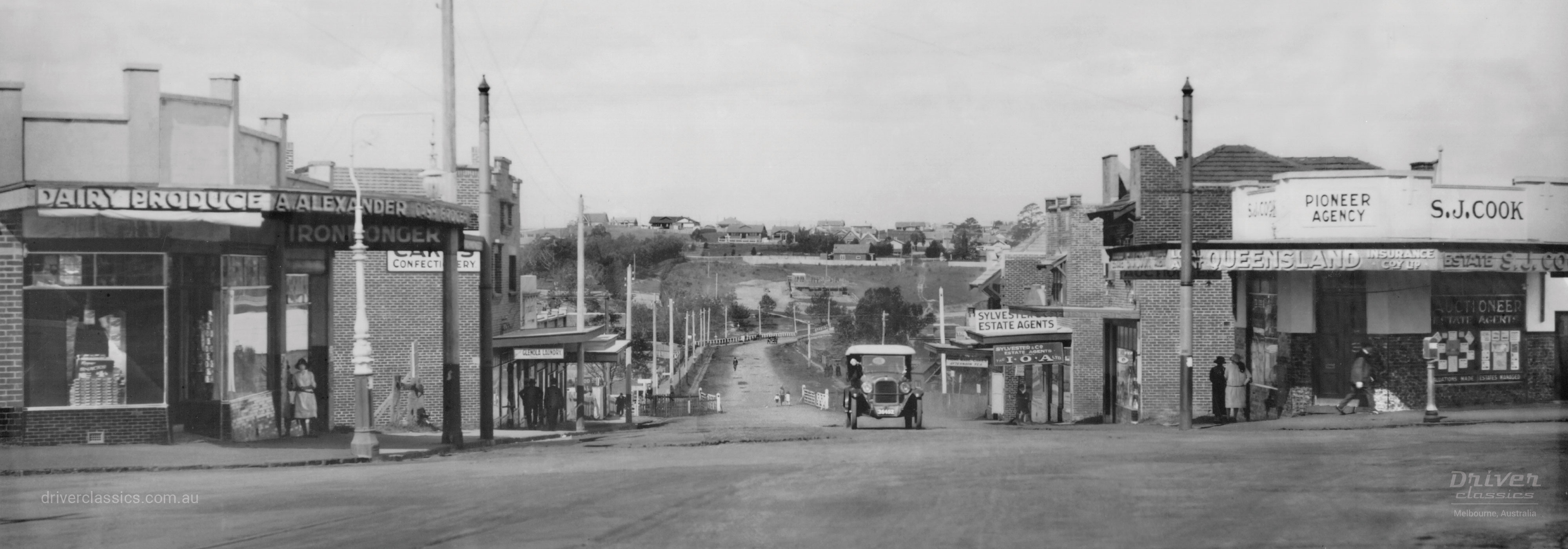
Eric Merchant Driver (B.1903) commenced working for Grant Brothers Coach and Motor Body Builders in 1917 and brother Reginald Alan Driver (B.1906) joined in 1920. Grant Brothers Coach and Motor Body Builders was located at 105 Station Street, Malvern on both corners of McKinley Avenue. The buildings are still there today.
Grant Brothers was managed by their father Arthur Reginald Driver (B.1879) but owned by their mother, Florence Mary Driver (nee Merchant B.1884) who was a property developer. Arthur Reginald Driver had been working for Grant Brother for some time when Mr Grant passed away. Mr Grant’s wife asked Arthur Reginald if he would buy the Grant Brothers business but Arthur Reginald was not in a position to do so…but his wife Florence Mary Driver was.
Grant Brothers was doing regular work for the local council and local businesses. Building baker’s carts, milk carts and motor cab bodies were Grant Brothers specialties. Arthur Reginald rode a push bike from his home at 9 Brunel Street, Malvern East to 105 Station Street, Malvern with his kit bag straddling the handlebars. Arthur Reginald was a wheelwright but also operated a forge with hand bellows…while leaving newly introduced welding to younger Grant Brothers employees.
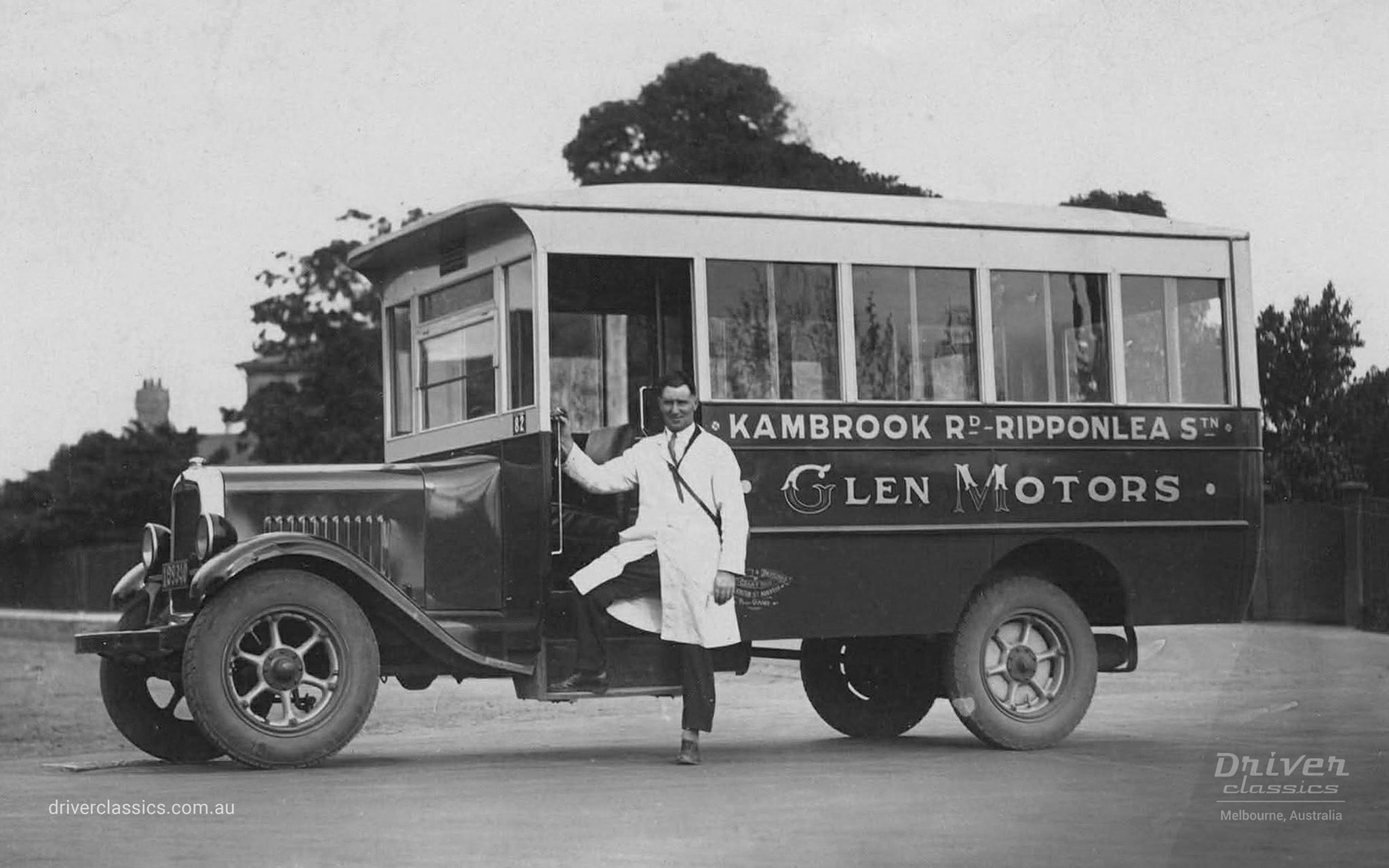
One of Eric and Reg Driver's sisters, Doris Skewes (nee Driver), was a bookkeeper and one of her clients, Wilfred Clayton (Glen Motors) operated a bus service along Glen Eira Road from Kambrook Road, Caulfield to Ripponlea Station that would later become route 27a. Grant Brothers had already built bus bodies for Wilfred Clayton and his son, William (Bill) Clayton.
Knowing Eric and Reg were becoming a little disillusioned working with their father who would not allow them to make operational/management decisions at Grant Brothers, sister Doris mentioned to Eric and Reg that running buses could be a lucrative business to consider.
1930-1939
Two men with determination and a vision
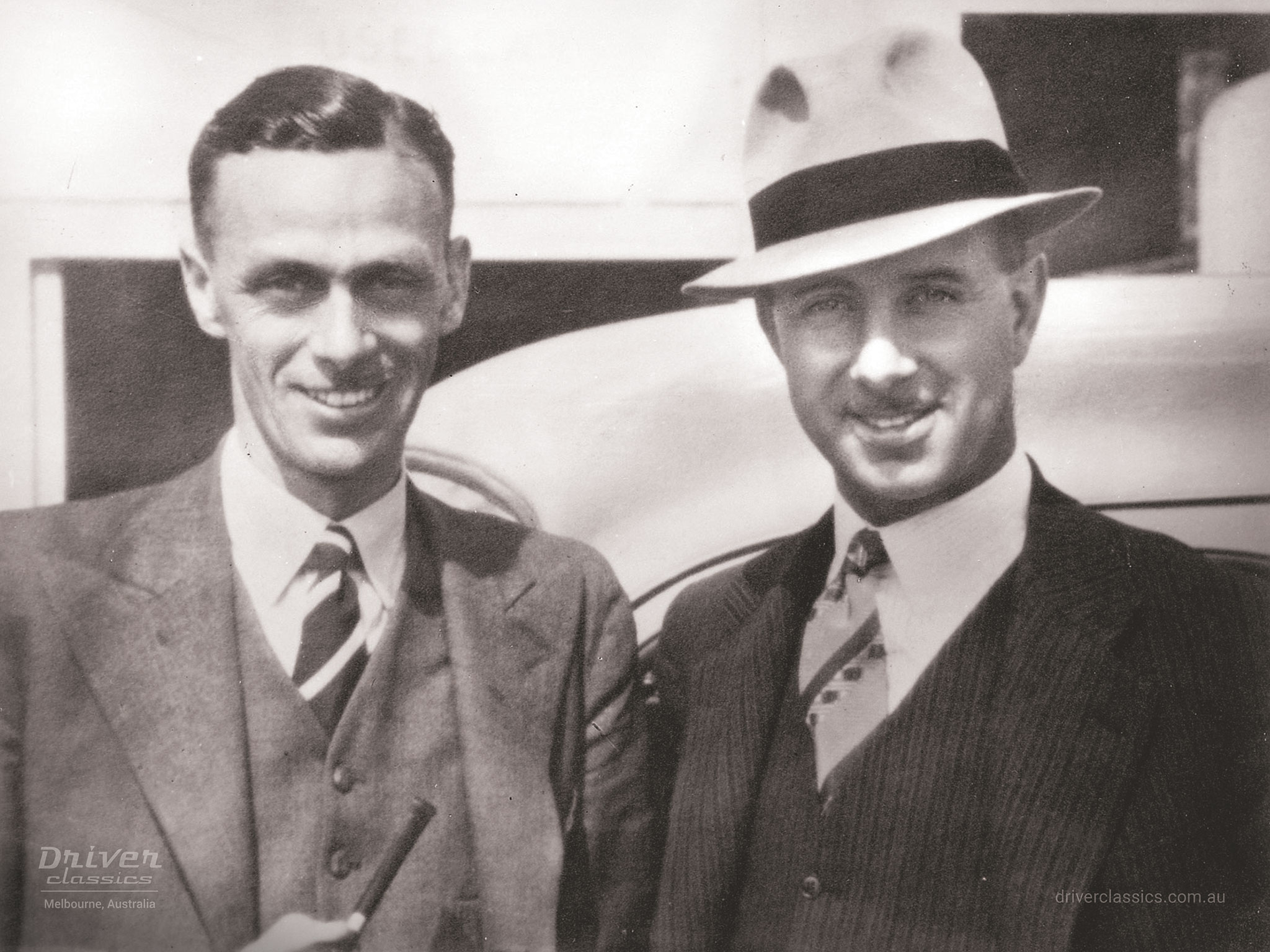
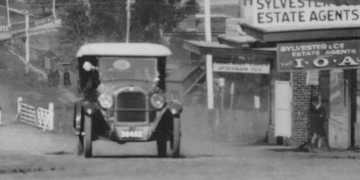
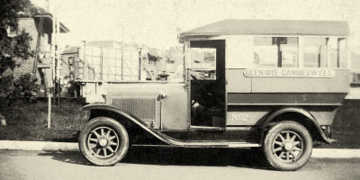
The seed was sown and the brothers decided to start a motor cab company to operate between Camberwell and Glen Iris and use their body building skills to build their first vehicles. With their mother financing them and father assisting them with the build, Eric and Reg built motor cab bodies on two new 1930 Pontiac 29-6s to carry 7 passengers: 3 each side, 1 in the front next to the driver and a door at the rear, to start their new business venture. They were duly completed and ready for work during March 1931.
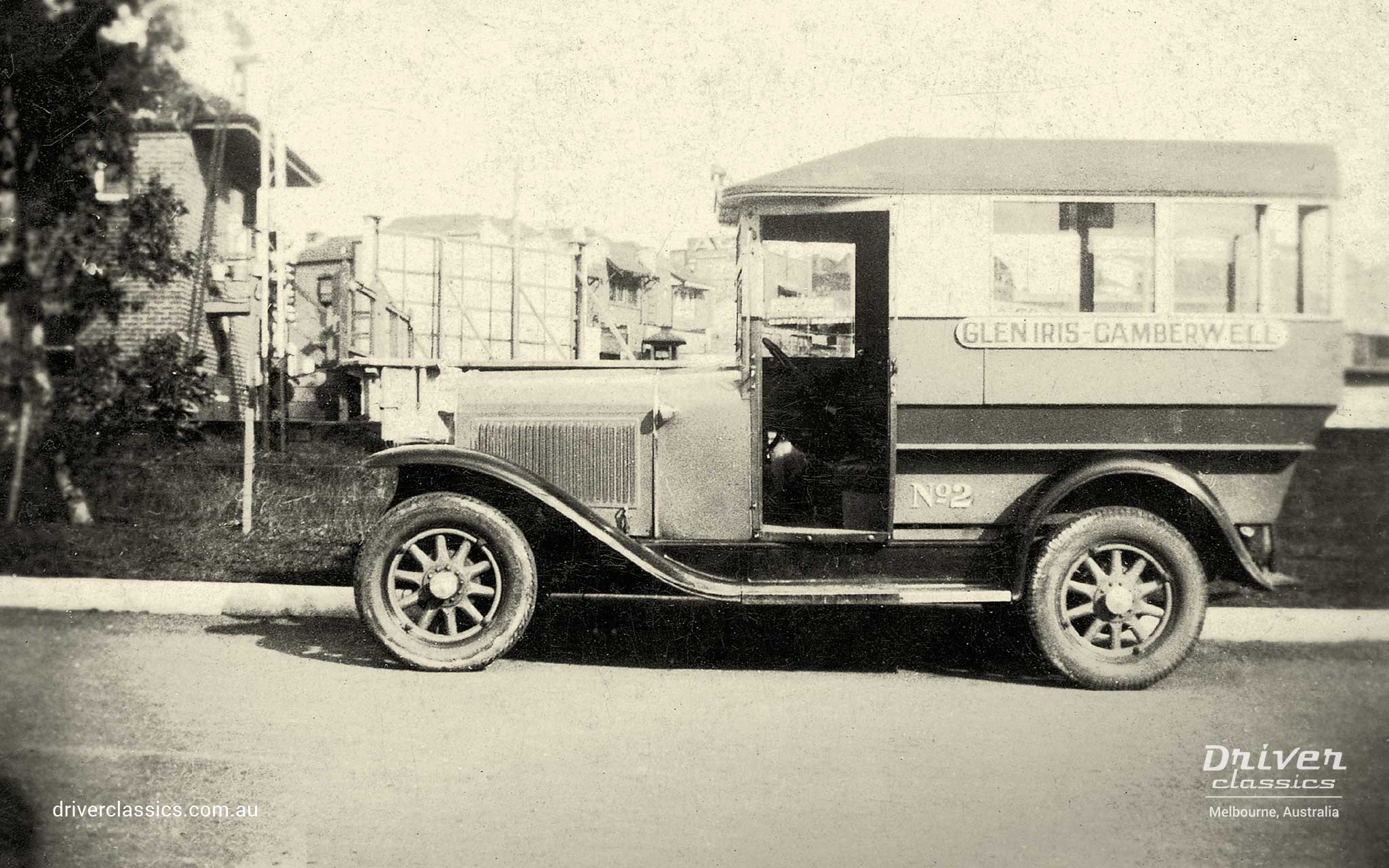
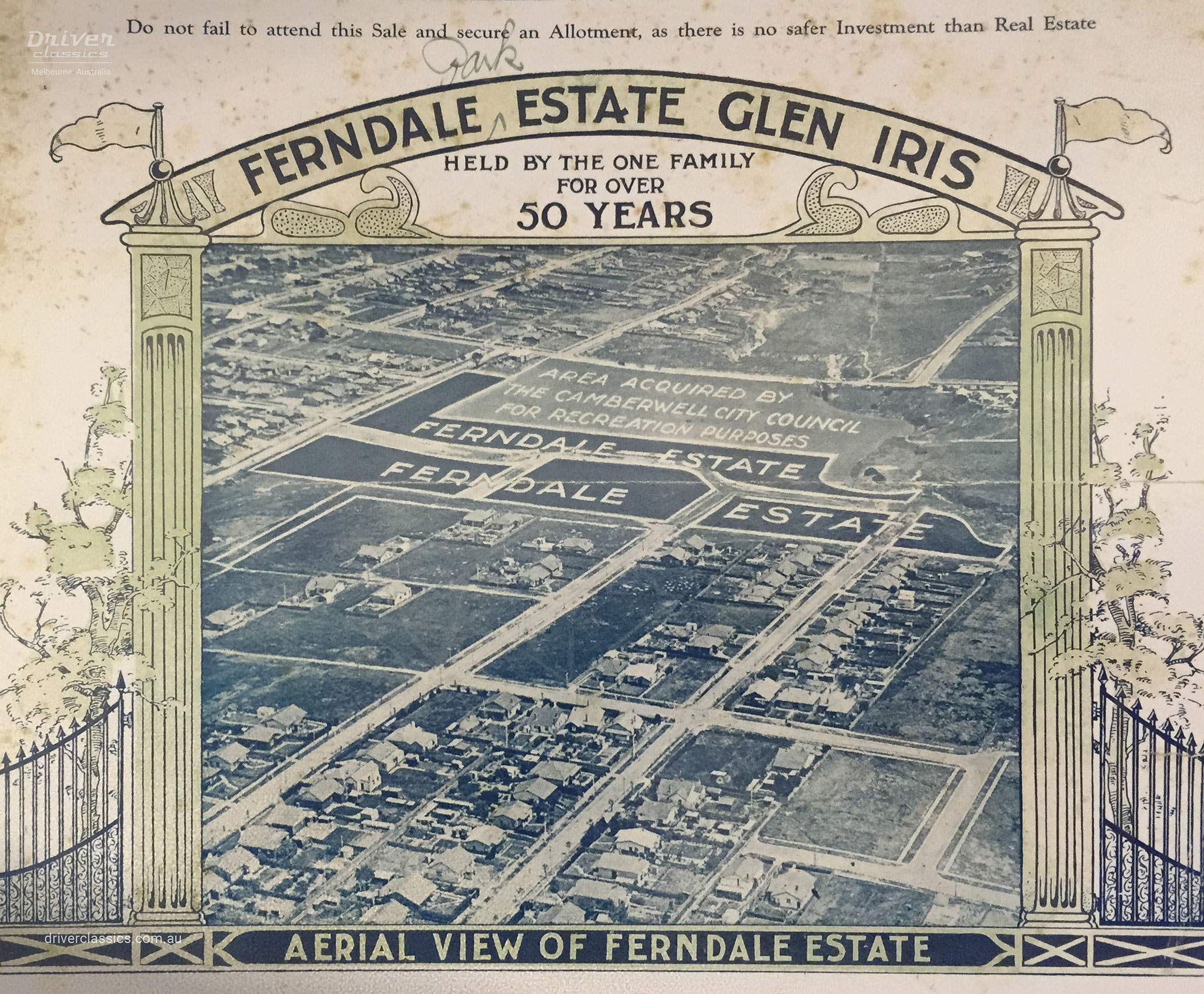
Authority had been granted by the local council for Driver Brothers to commence on the approved Camberwell-Glen Iris route on April 1st 1931. However, another operator, Ernie Margetson, had also applied for an authority to start operating a motor cab on the same route some months earlier. At the time, multiple operators on one route was the usual way services were provided. Ernie Margetson did not offer a timetabled service but rather worked when demand was there or simply when he felt like it.
With an authority in hand, enthusiastic younger brother Reg Driver couldn’t wait and did a few practise trips on the afternoon before. So, March 31 1931 became the official date that Driver Brothers began a service on the Camberwell-Glen Iris route in the eastern suburbs of Melbourne, later known as route 81a, now route 612.
After driving lengthy shifts on the new service, Eric and Reg would return their motor cabs each evening back to Grant Brothers, Malvern for garaging and for Eric to do after-hours maintenance. Reg would look after the bookwork at the first Driver Brothers office which was also located at Grant Brothers.
Their first year was quite successful, but in 1932 competition on the Camberwell-Glen Iris route would soon rapidly increase when Ernie Margetson invited friends from Bell Street in Melbourne’s north, who were having a lean time, to come across and work the route with him…and finish off the Driver Brothers and their timetable in the process.
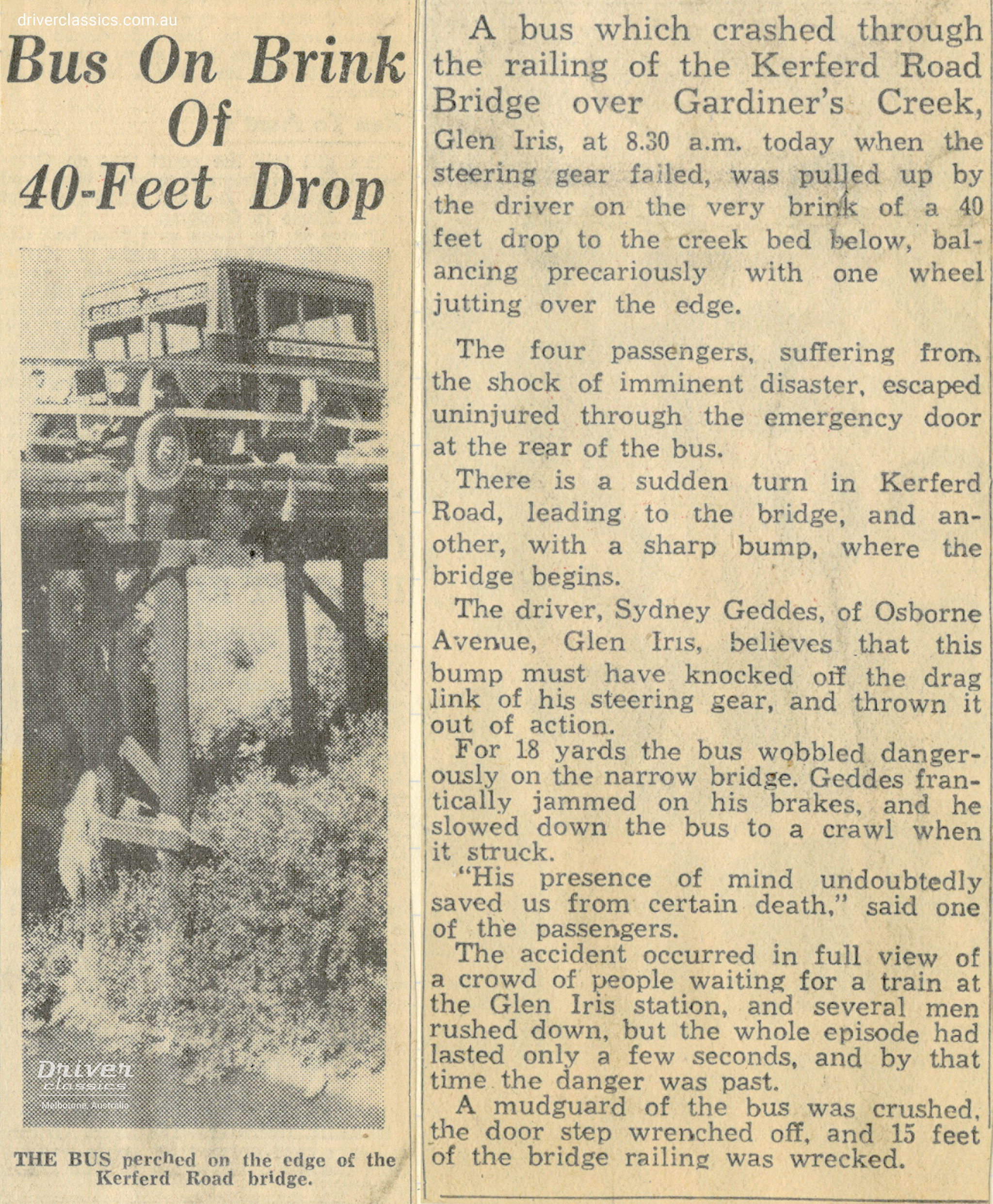
By October 1932, seven competing motor cabs along with Ernie Margetson, were working the route against Driver Brothers. Driver Brothers soon bought out Thomas O’Day, one of the competing and most difficult of the Bell Street operators in October 1932, along with his GMC motor cab. Eric and Reg then added a Cleveland motor cab with a Grant Brothers body giving Driver Brothers a fleet of four.
The Bell Street cohort would run their motor cabs just in front of Eric and Reg’s timetabled service. The first bus out of Camberwell at 7.00am always had a good load, so Eric would make sure he was at the stop each day by 7.00am. One day he arrived to find a Bell Street competitor already on the stop, so the next day, Eric arrived at 6.45am. Next day, the Bell Street driver was there at 6.30am.
Not to be beaten, Eric ended up sleeping in his motor cab each night for 3 months until the Bell Street drivers gave up. Eric won the day, but it took a severe toll on his personal life. With their financial position deteriorating rapidly, Eric and Reg knew the Camberwell-Glen Iris route could not sustain eleven motor cabs.
But the brothers were more determined than ever!
In a make-or-break effort, they approached the licensing authority and endeavoured to have the Camberwell-Glen Iris route changed to a ‘gazetted bus route’. The application was granted in August 1934 and Driver Brothers became the first licensed operator on the gazetted Camberwell-Glen Iris bus route. Two 14 passenger 1934 British Bedford WHB buses with Grummet bodies were immediately purchased and put into service, replacing Driver Brothers’ four 7 passenger motor cabs.
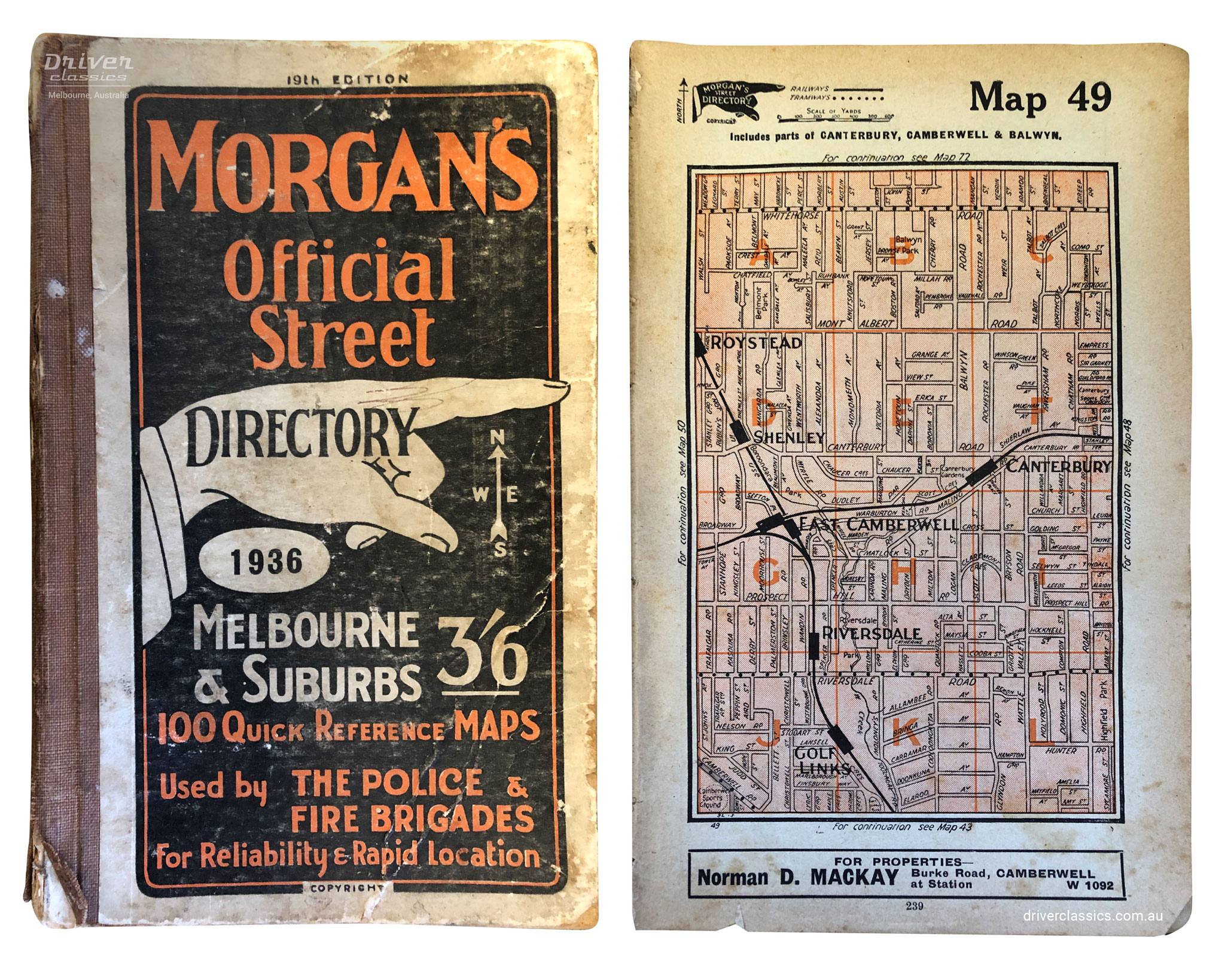
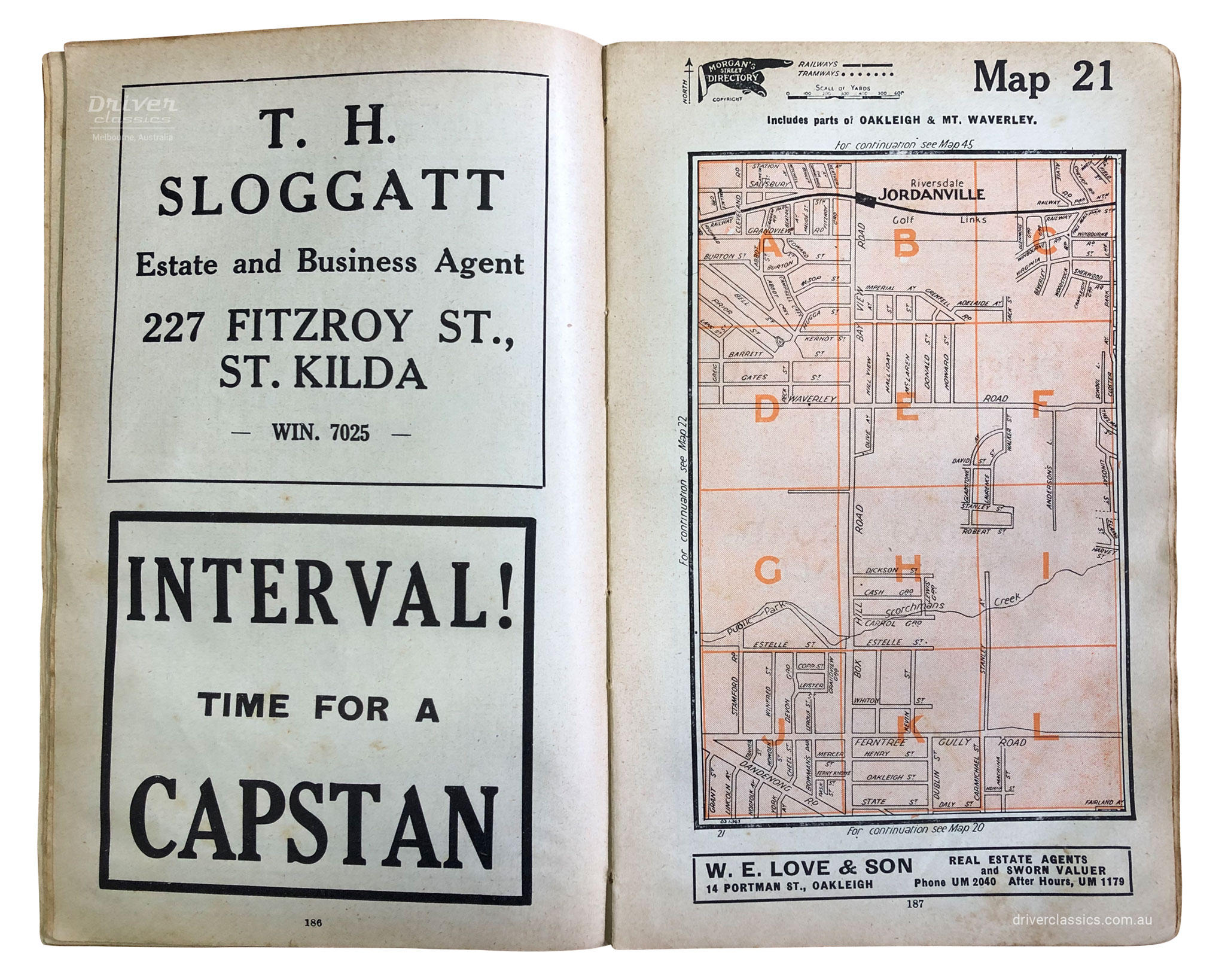
Times were tough for all operators and begrudgingly, the remaining five Bell Street motor cabs moved off the now gazetted Camberwell-Glen Iris bus route giving Driver Brothers a fighting chance of survival. The Bell Street competitors were not aware that they could have applied for licenses too and remained on the route!
In 1934, the buses were relocated for overnight garaging from Grant Brothers to Eric Driver’s home at 22 Rosedale Road, Glen Iris where a large shed had been erected in the back yard. Having buses garaged at home was a common practise in this period. The office was relocated to 132 Wills Street, Glen Iris opposite the Glen Iris railway station which today is the boundary of the Monash Freeway.
Driver Brothers once again asked Ernie Margetson to work a timetable with them, but Ernie rejected their proposal. Ernie Margetson worked the route independently until December 1936 when he offered and then sold his re-bodied Cook Bedford WHB bus and operating authority to Driver Brothers. Eric and Reg had not been overly happy with their own Bedford fleet and certainly not with Ernie Margetson’s older Bedford WHB which had a 6 month usage limit imposed because of non-compliance.
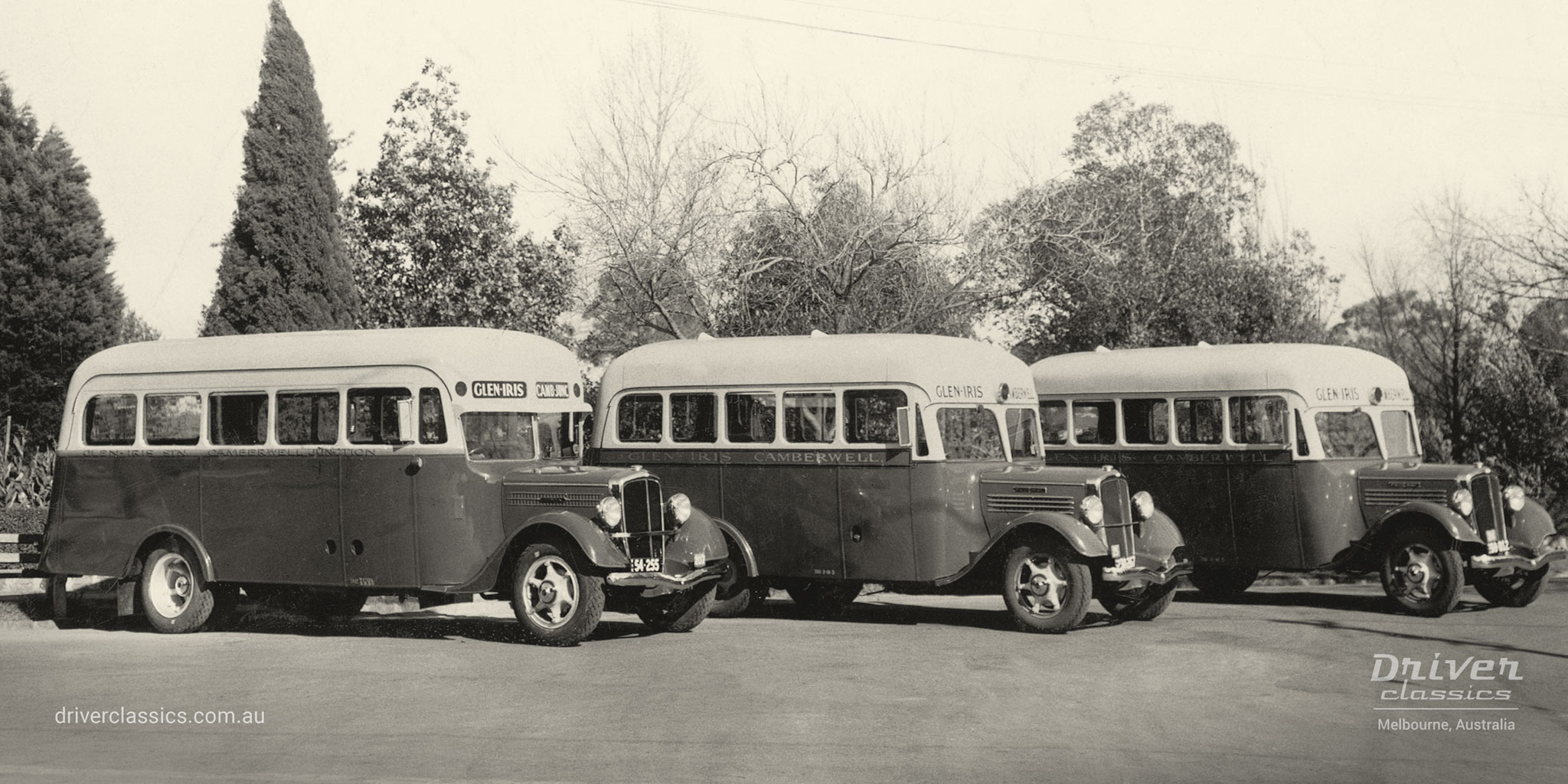
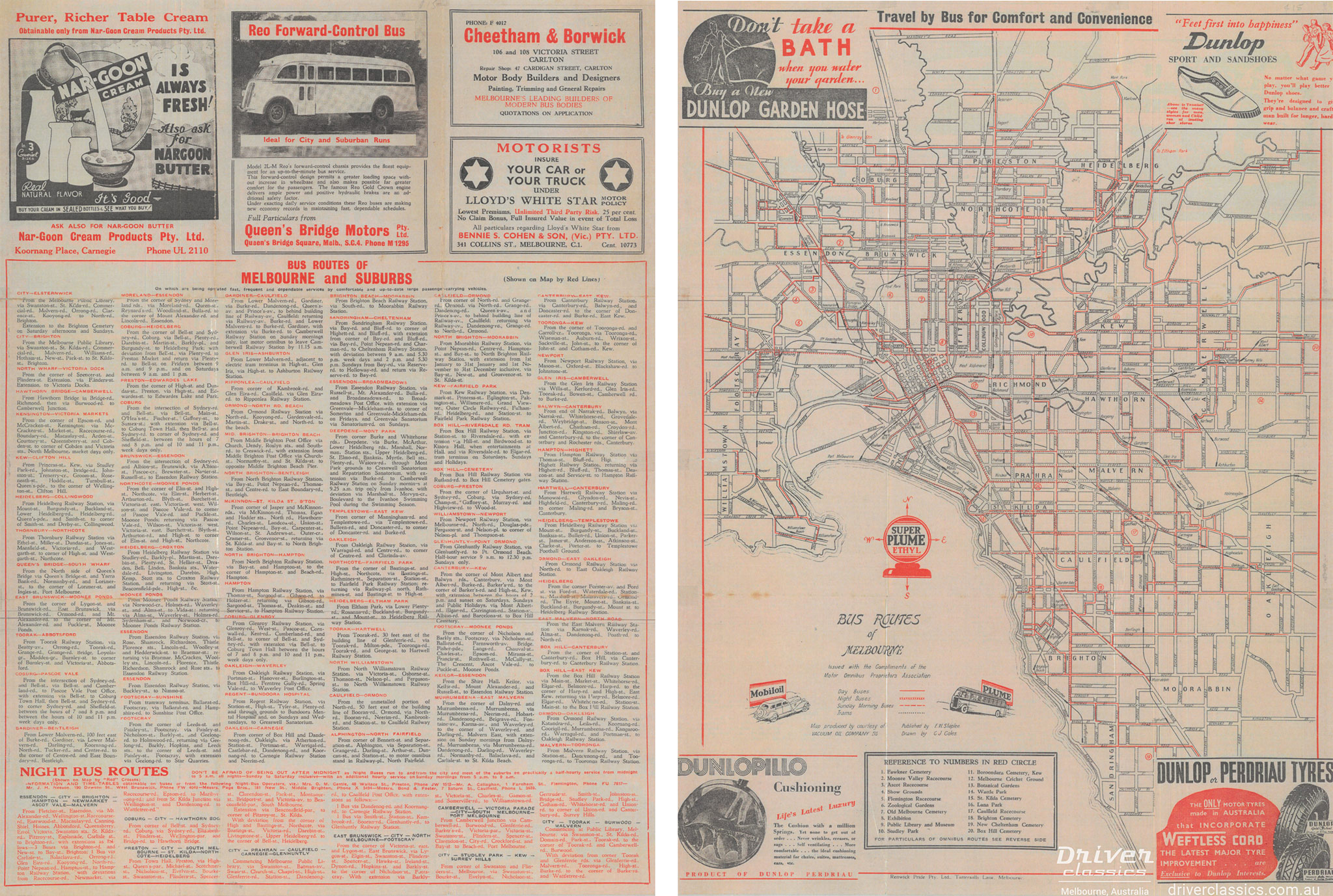
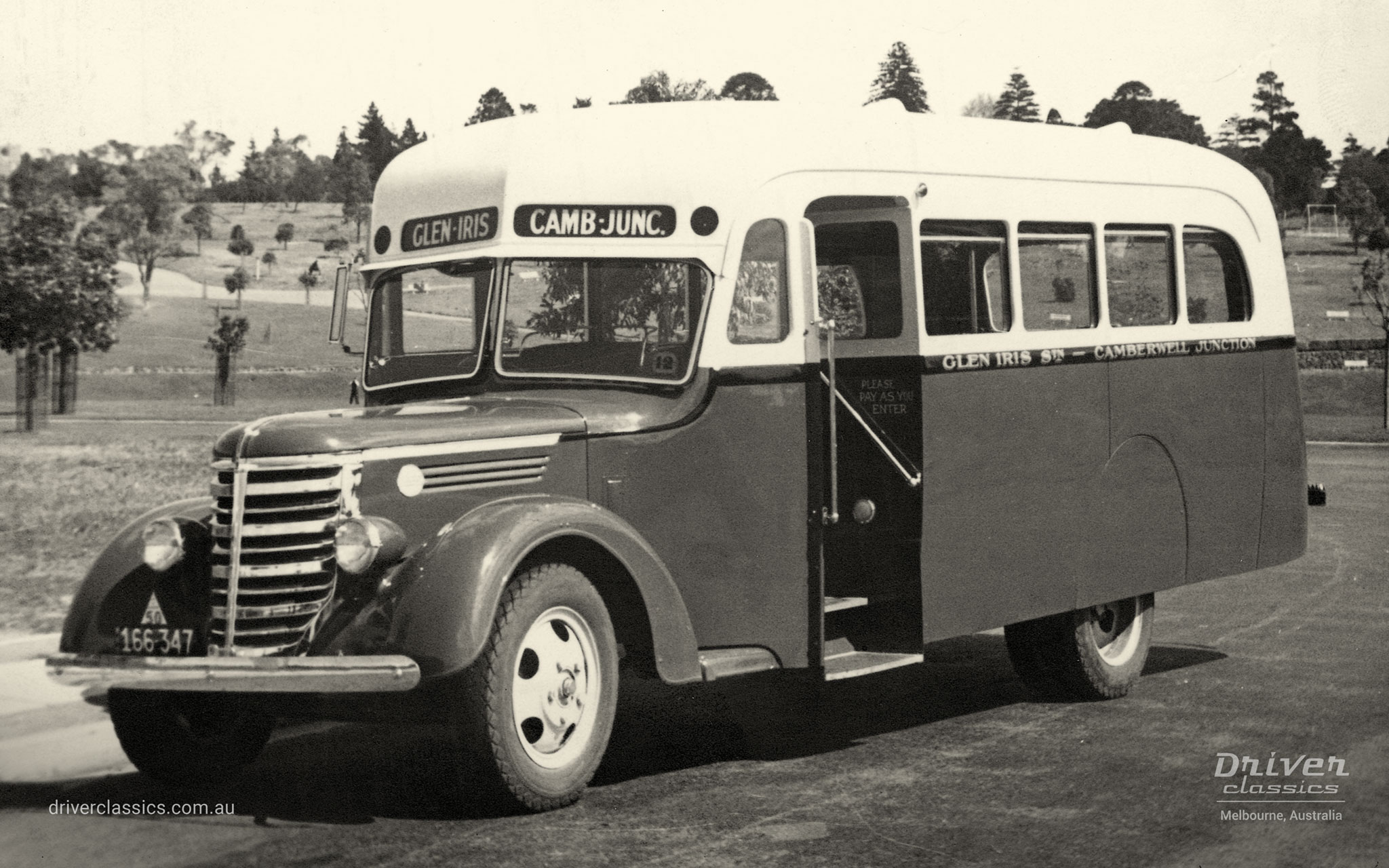
Driver Brothers began replacing their Bedford fleet in 1935 with sturdy American built Federal Model 20 chassis with 19 passenger Grummet bodies. Further Federal purchases in 1938 and 1941 now featured Federal’s new streamlined grille and Martin and King bodies. One of the Federals, #2 a 1936 model, has been restored and is part of the Driver Classics heritage fleet.
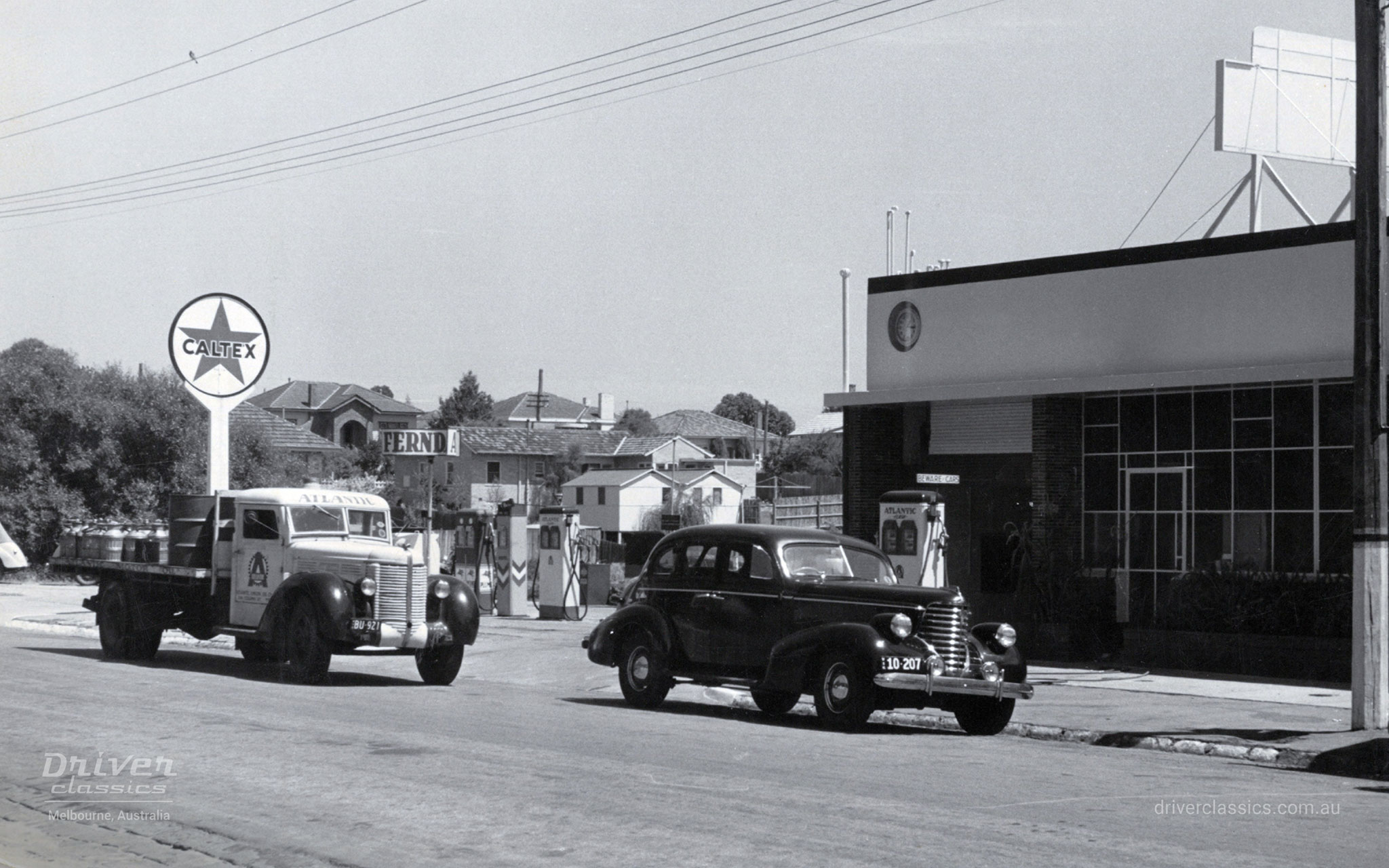
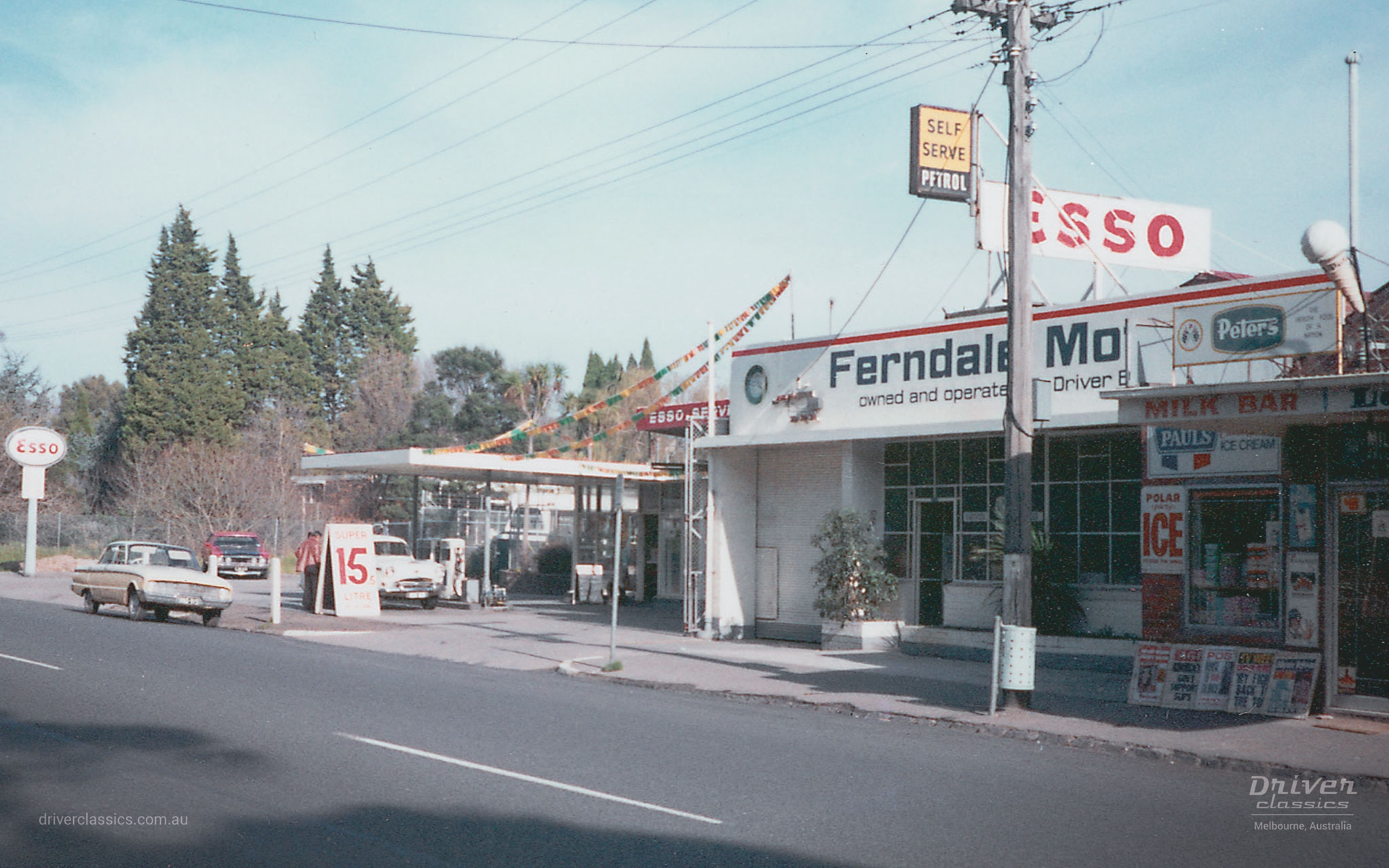
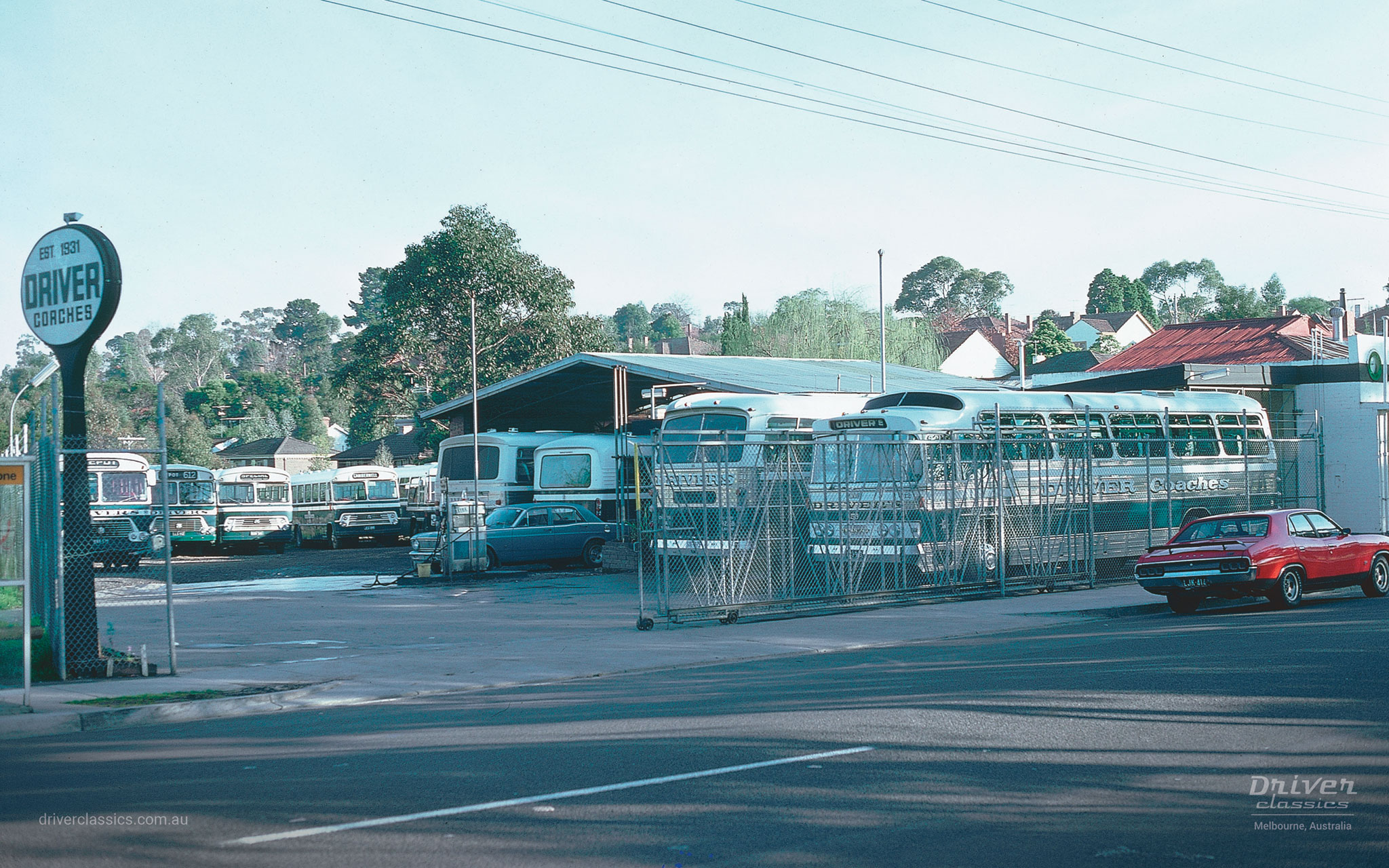
In 1938 and 1939 Driver Brothers garaged their buses at Johansen’s Garage, Darling, a neighbouring suburb to Glen Iris. Also in 1938, Driver Brothers acquired land at 108-110 Glen Iris Road, Glen Iris and developed a purpose-built bus depot. The depot consisted of an office, a large brick shed for bus parking which doubled as a workshop for car and bus maintenance, and Ferndale Motors service station selling multiple fuel brands including Atlantic, Ampol, Plume, COR and Shell. The new bus depot was opened in 1939 and was retained until 2013 when it was sold and subsequently redeveloped into apartments.
1940-1969
The war years and charter expansion
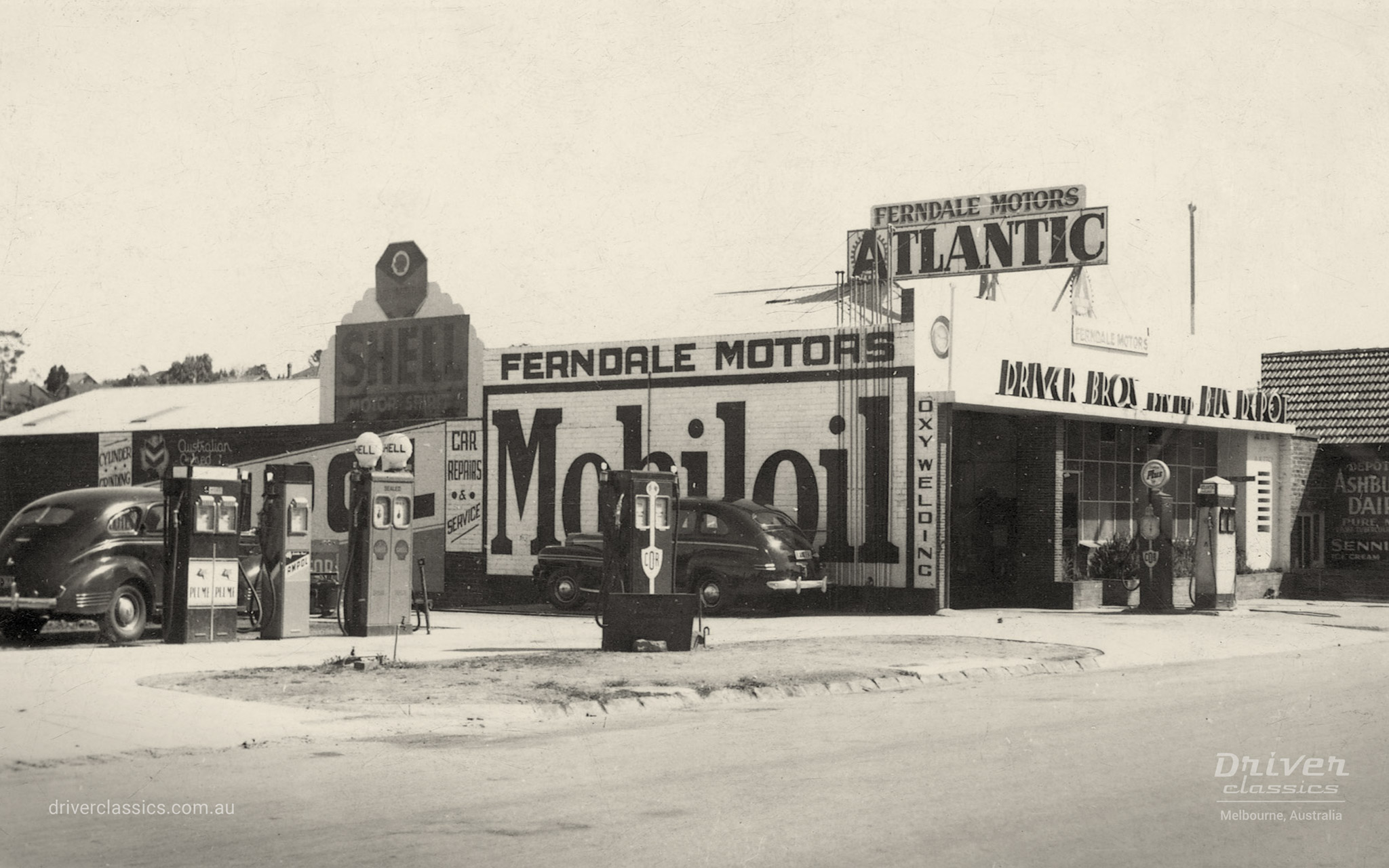
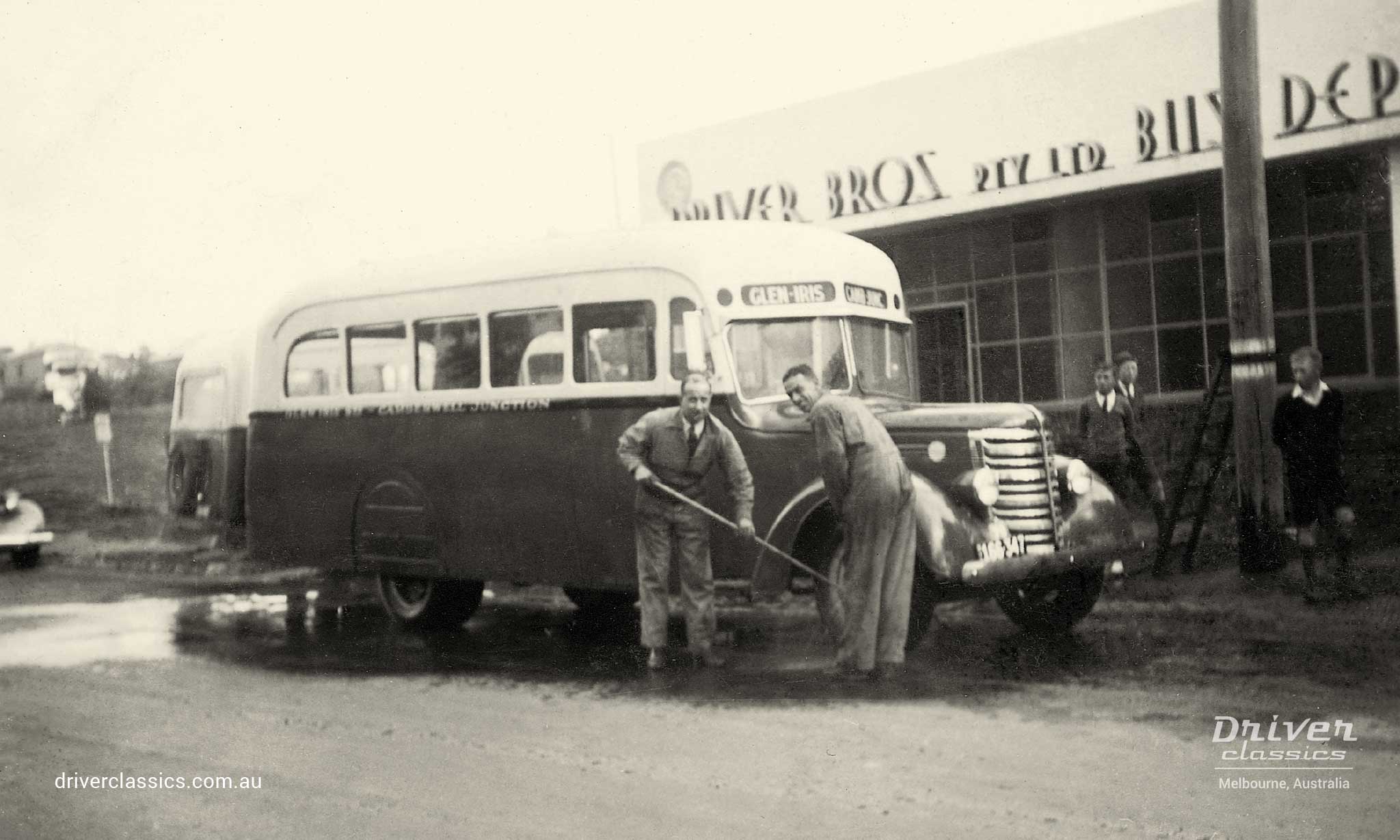
The war years were a dark and difficult time for Australia and the world. During 1942, the Driver Brothers business had been classified as ‘protected’ meaning it was deemed an essential service that must be kept operating. The government had proposed to compulsorily acquire one of the newest buses in the fleet, a late 1939 Federal with a Grummet body No.3 AY-444 for full time troop conveyance. This would have had a dramatic effect on the continued operation of the business but the plan was eventually scrapped. Petrol quotas and rationing were also introduced at this time with a bare minimum being allotted for bus use making fleet operation difficult.
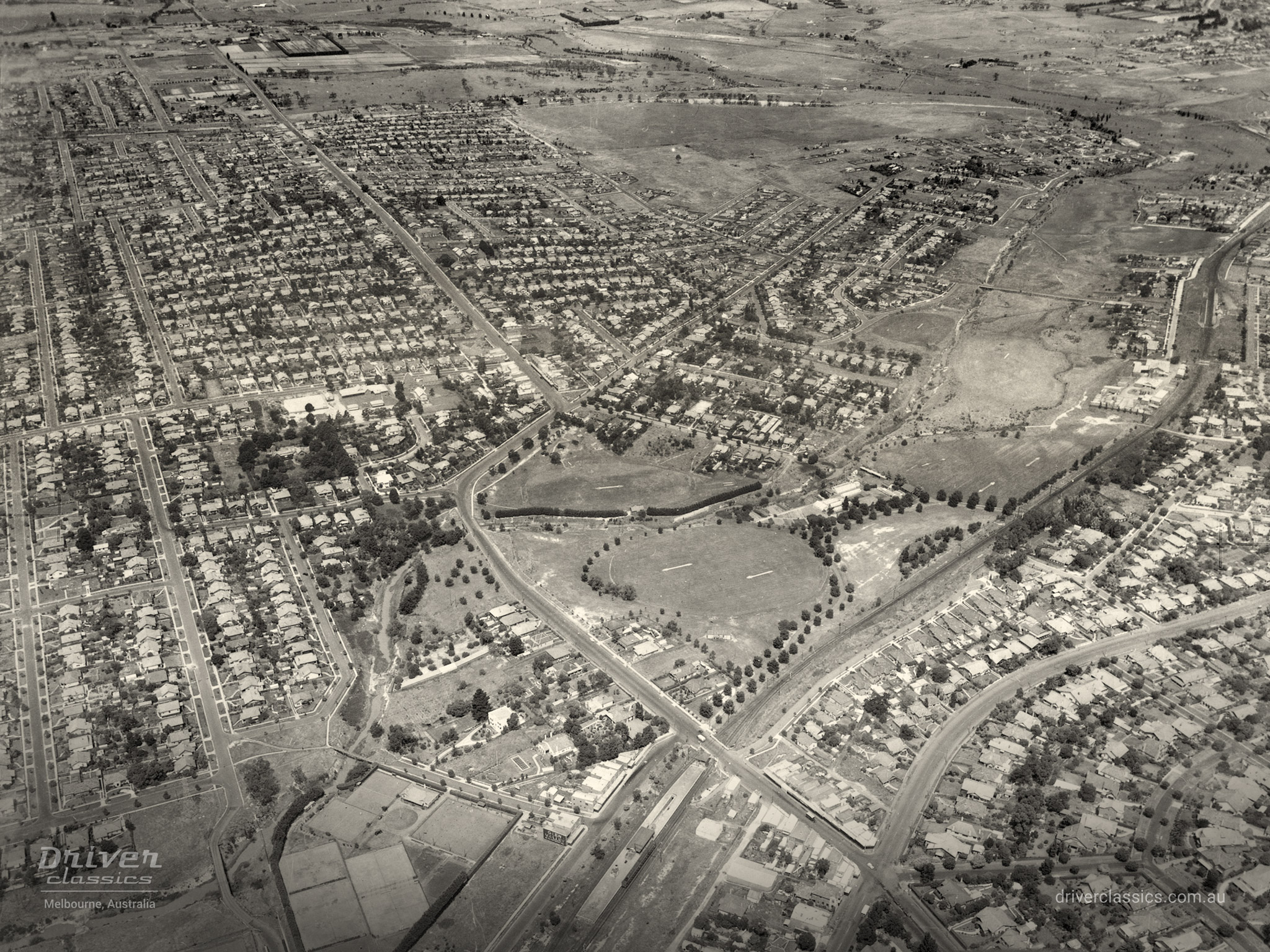
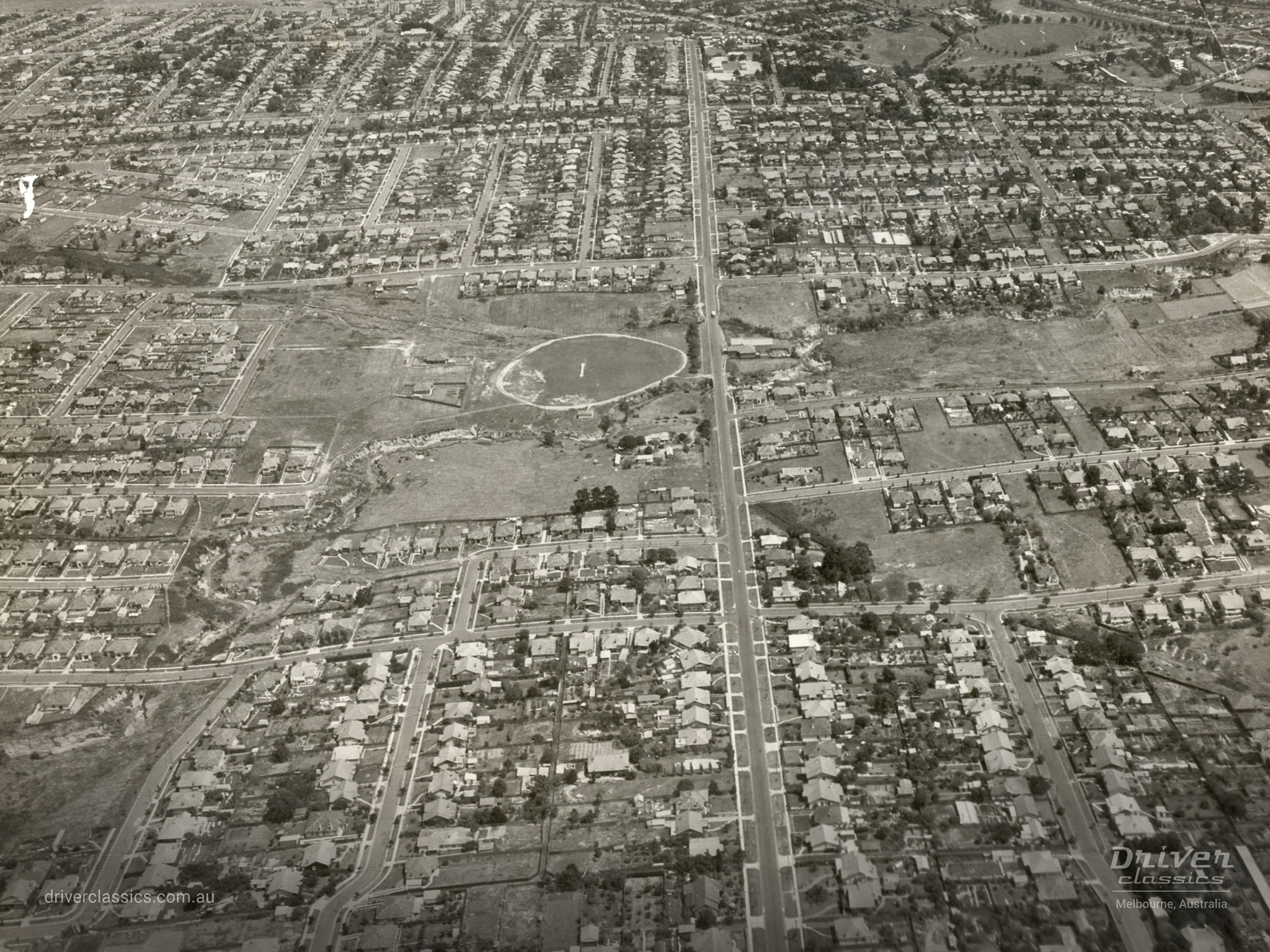
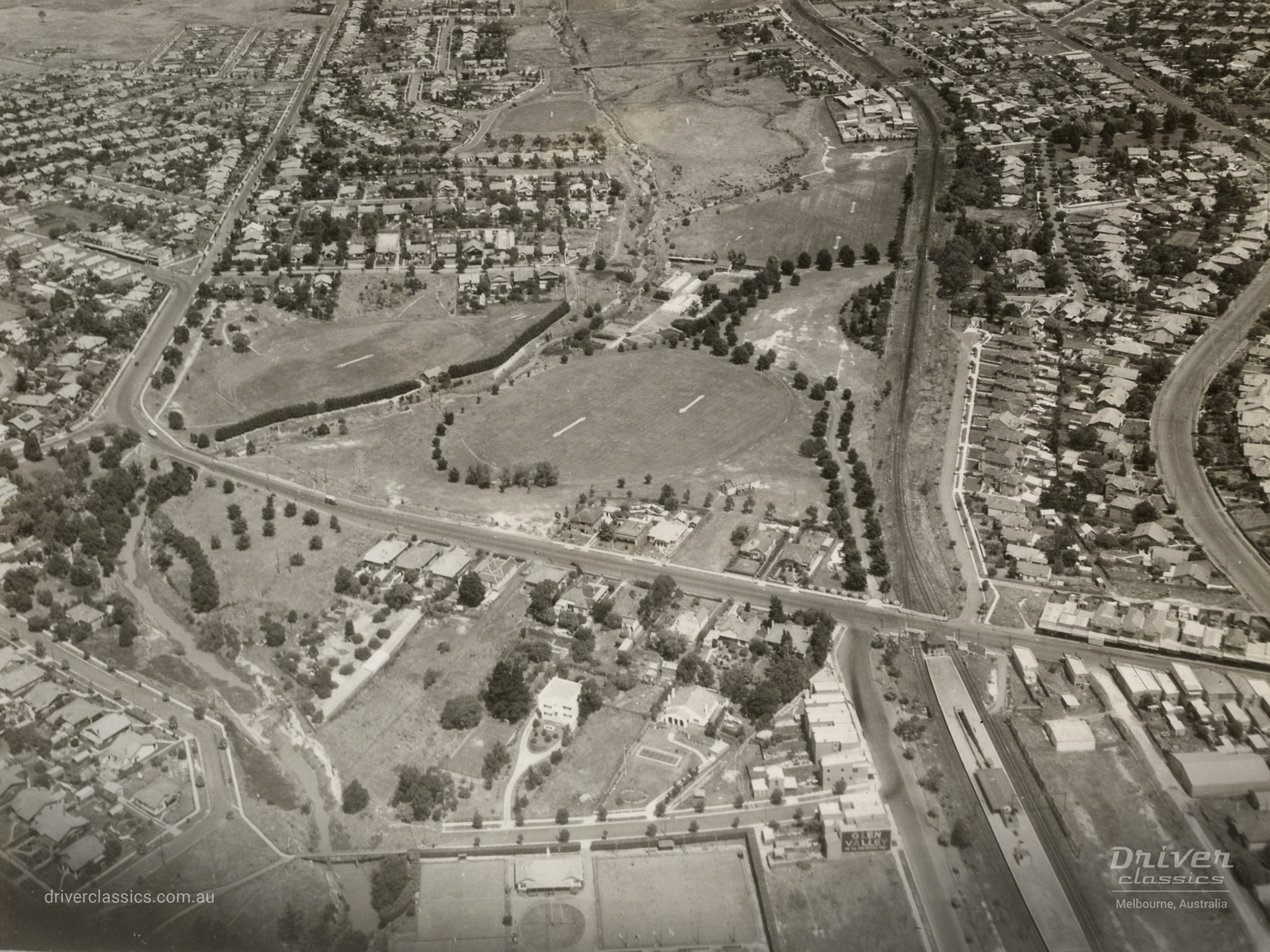
In 1947, General Motors – Holden (GM-H) began selling the latest UK sourced General Motors Bedford OB bus chassis with an Australian GM-H designed, and initially a GM-H built body. With the Australian federal government introducing US currency restrictions on January 1st 1948 to encourage trade with the UK, bus companies needed to switch from traditional US sourced chassis to UK models. But Driver Brothers were early adopters and had already purchased two of the first GM-H built Bedford OB buses.
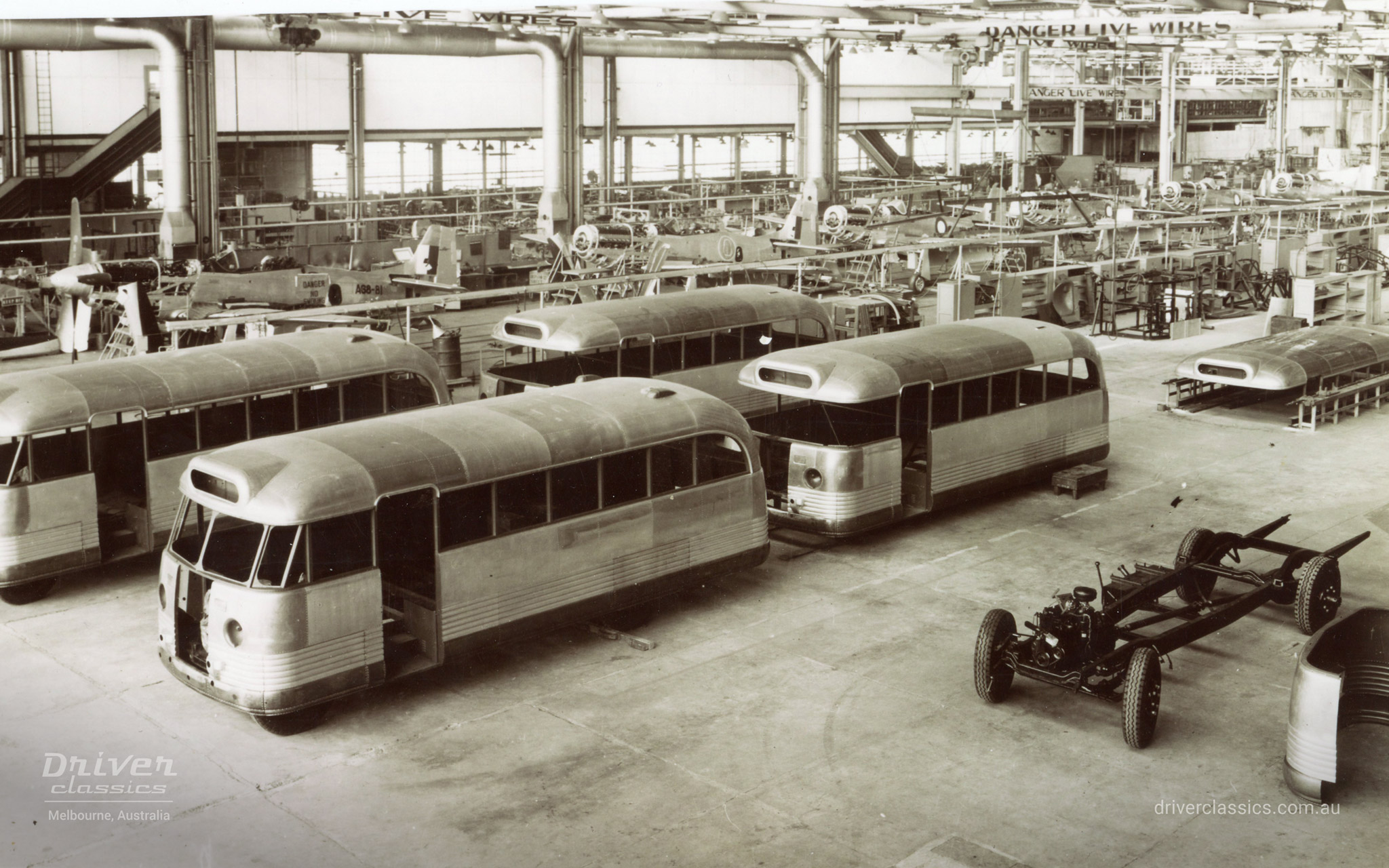
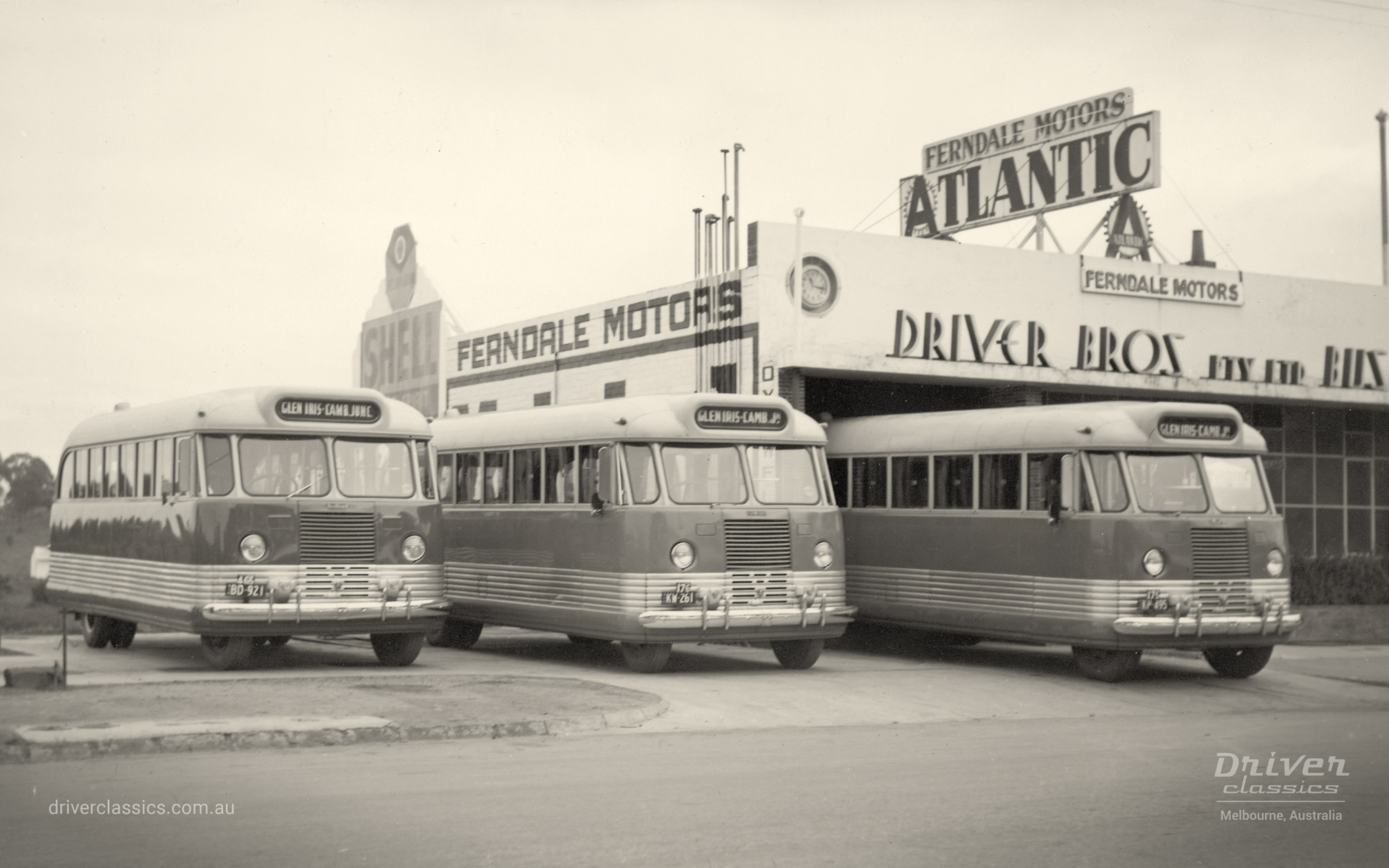
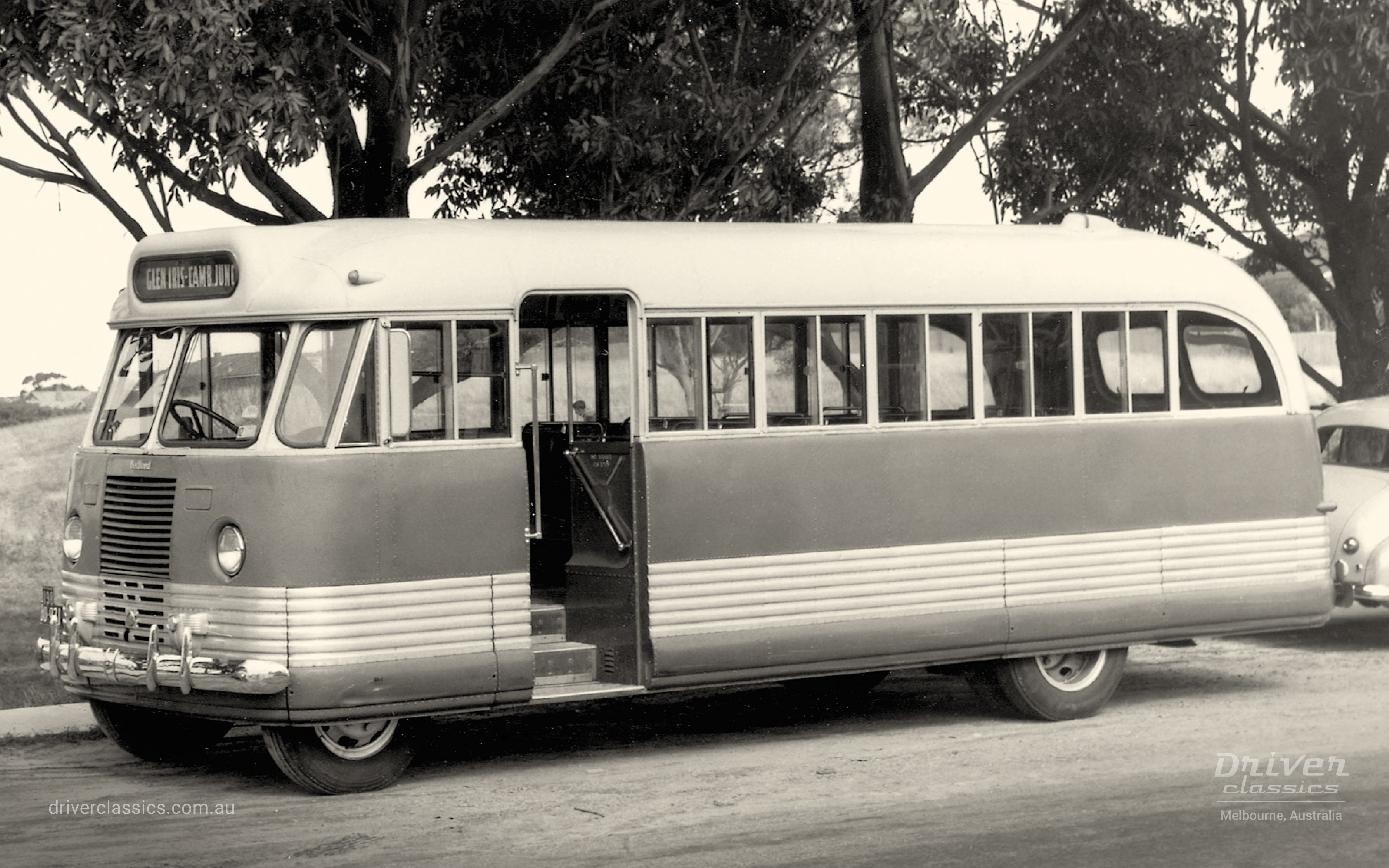
When the upgraded and larger Bedford SB bus was introduced in 1952 by GM-H, Driver Brothers placed more orders and continued purchasing Bedfords for the next 30 years.
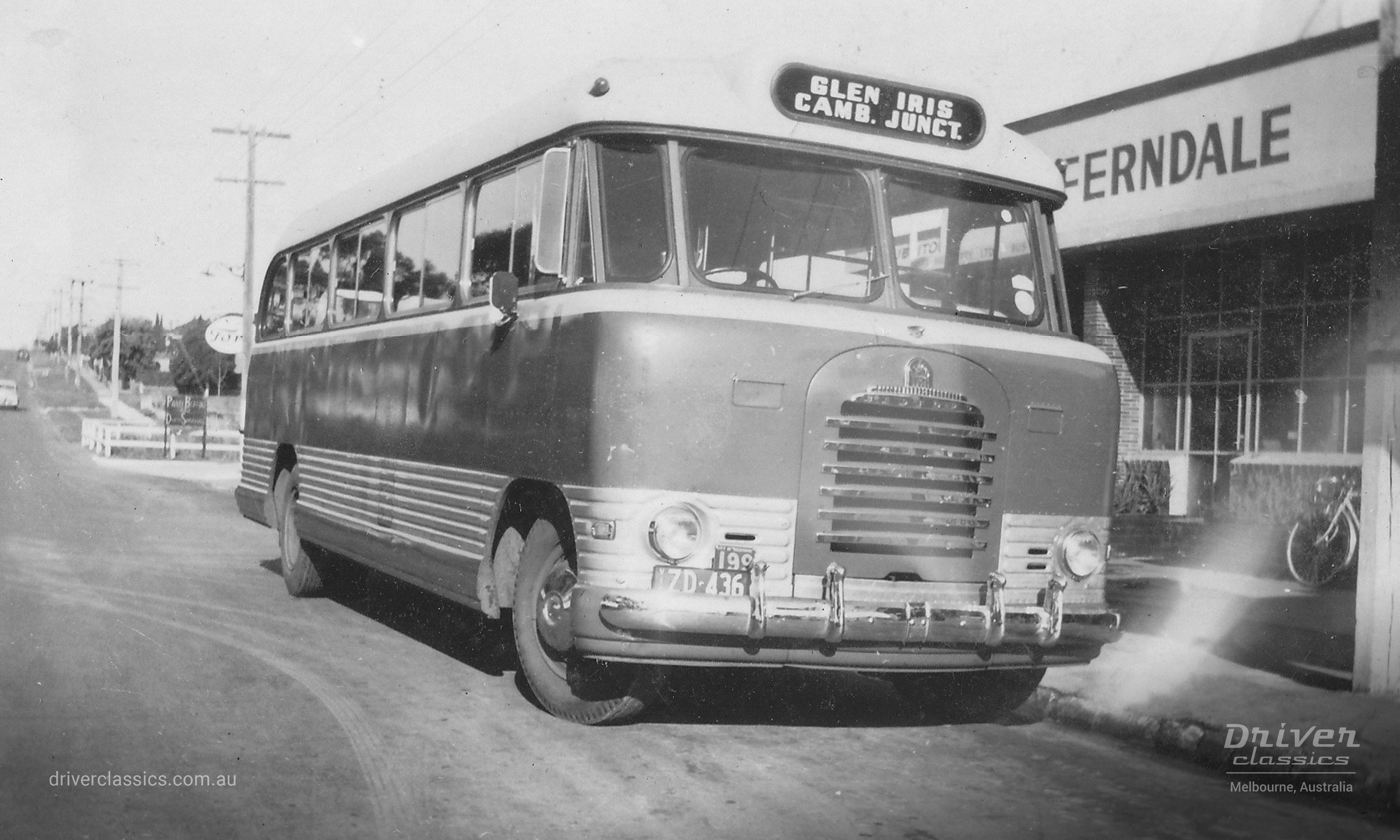
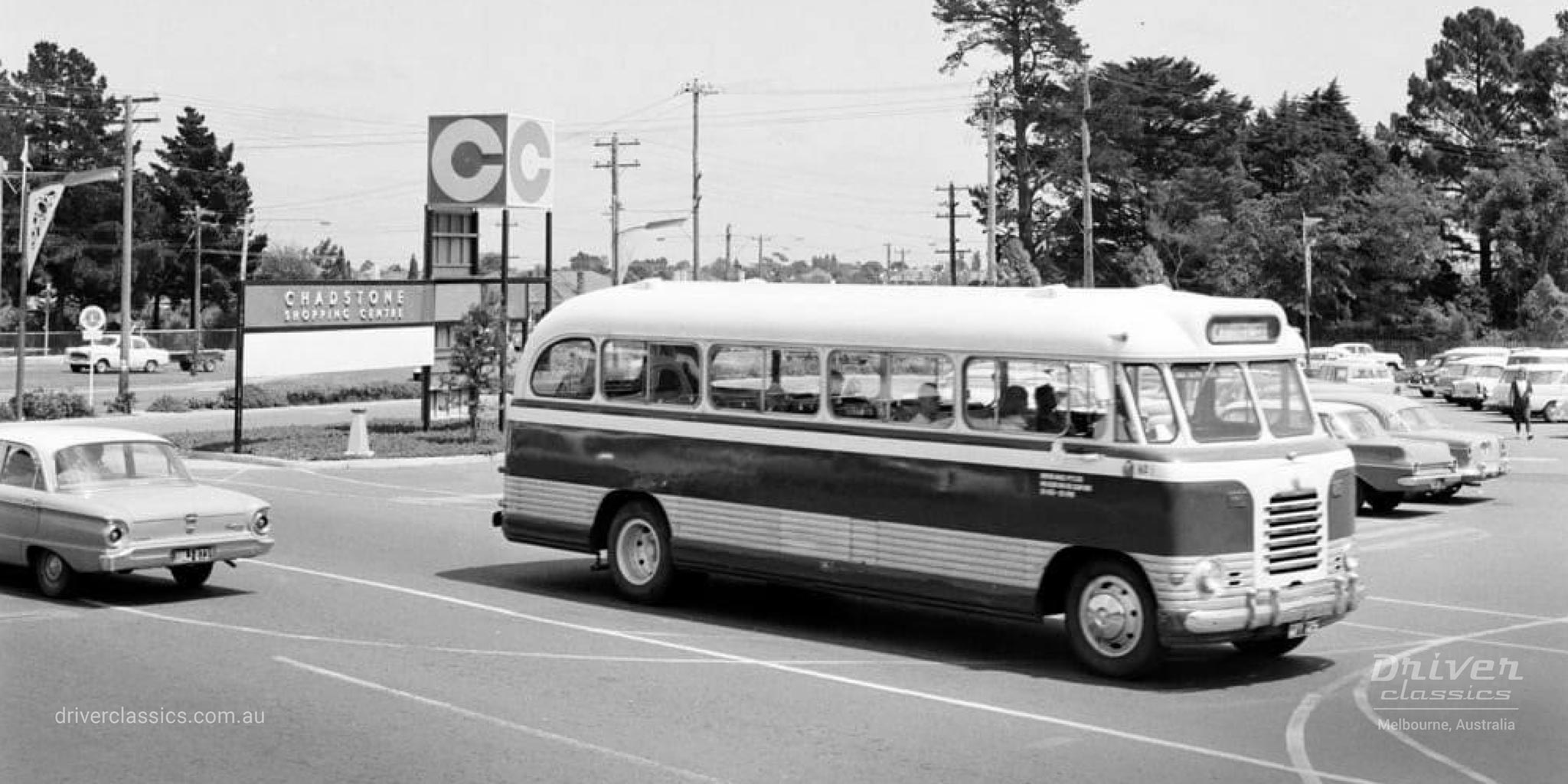
1960 marked further expansion, with the route service extending to Melbourne's first regional shopping centre, Chadstone. Bus charter also began to increase and the fleet reflected this with an additional vehicle added nearly every year during the 1960s.
The early 1960s saw a 4-bus hanger built behind Ferndale Motors fuel bowser apron on the southern side of the original brick shed which resulted in more space for the Ferndale Motors workshop.
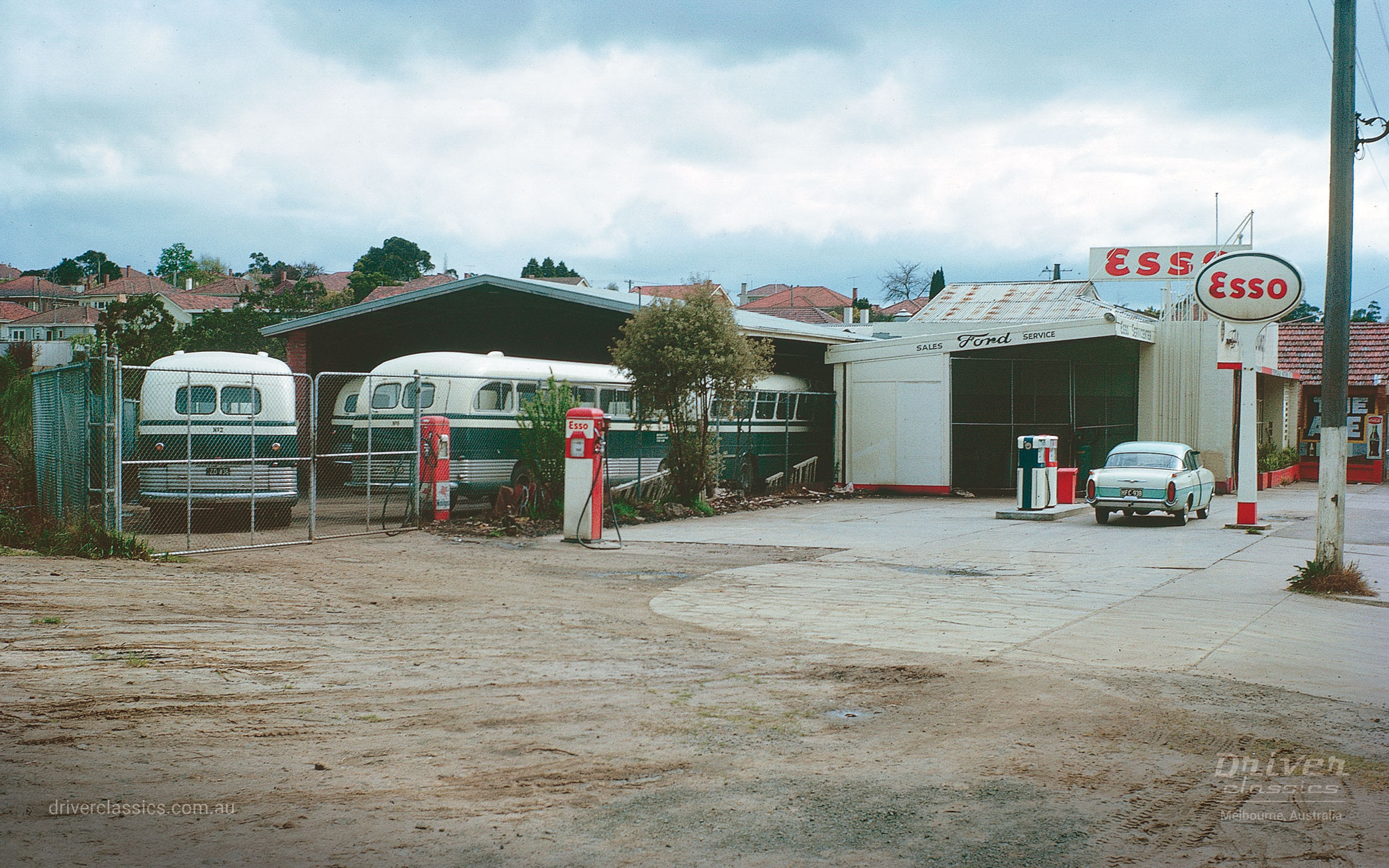
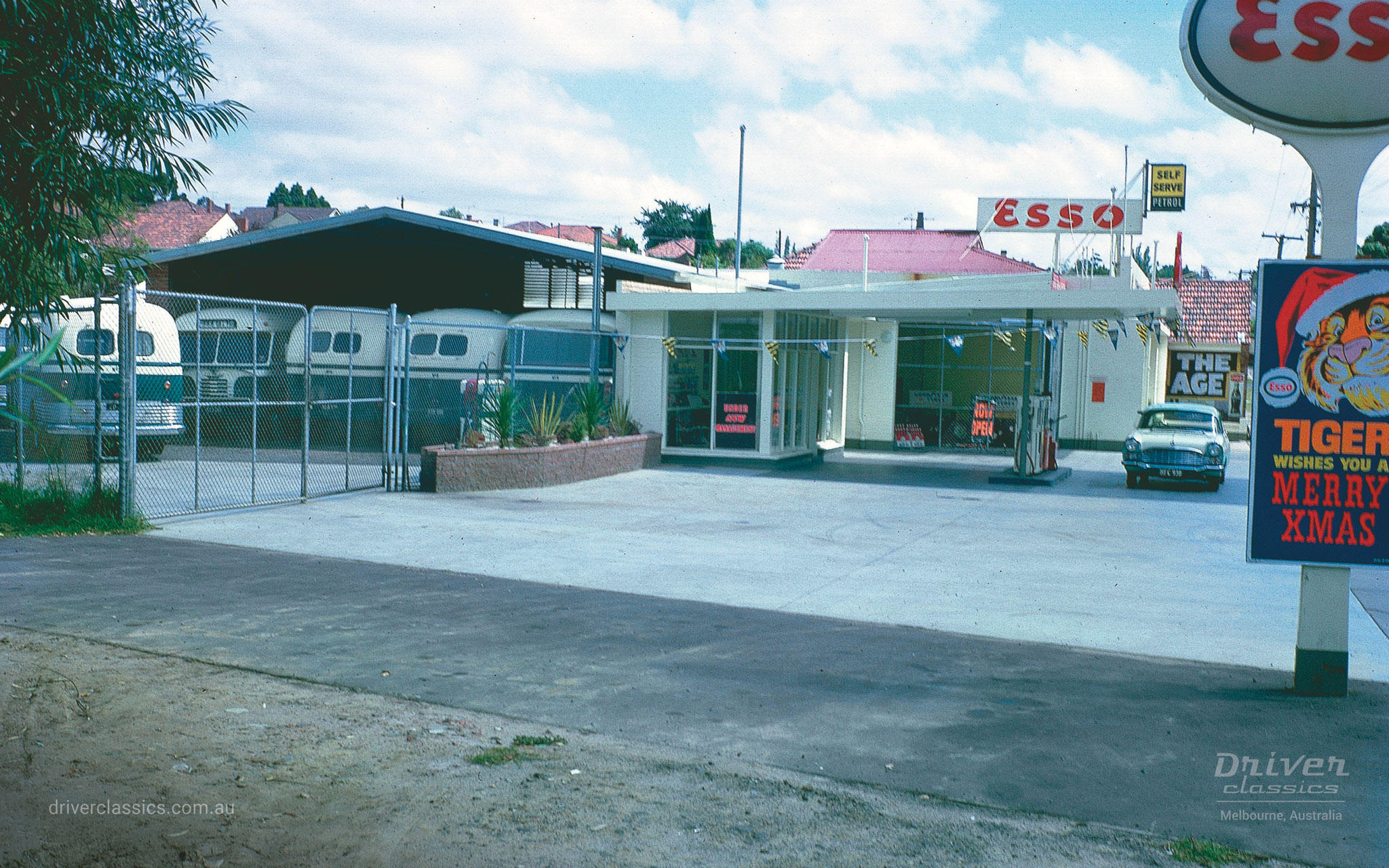
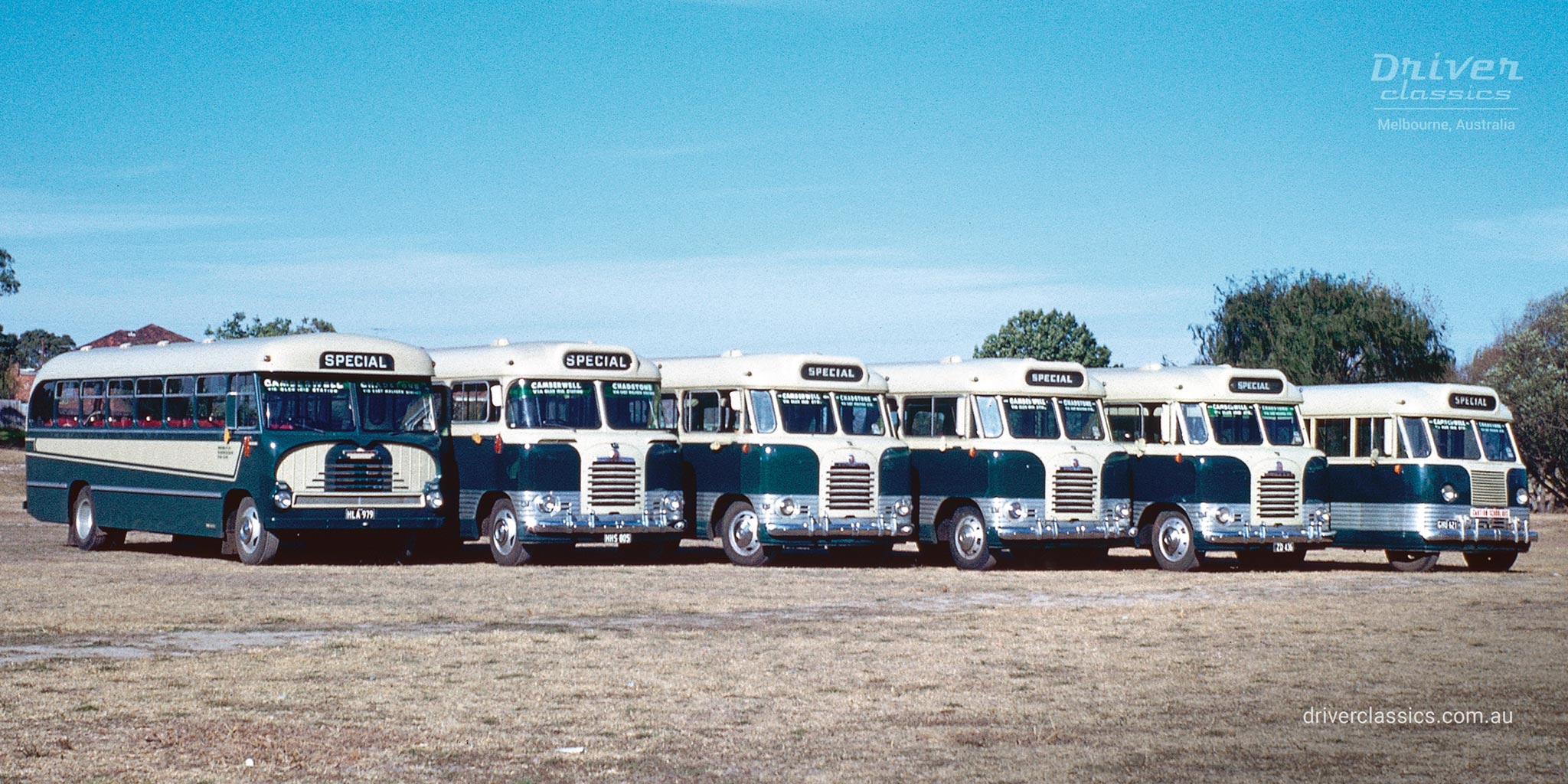
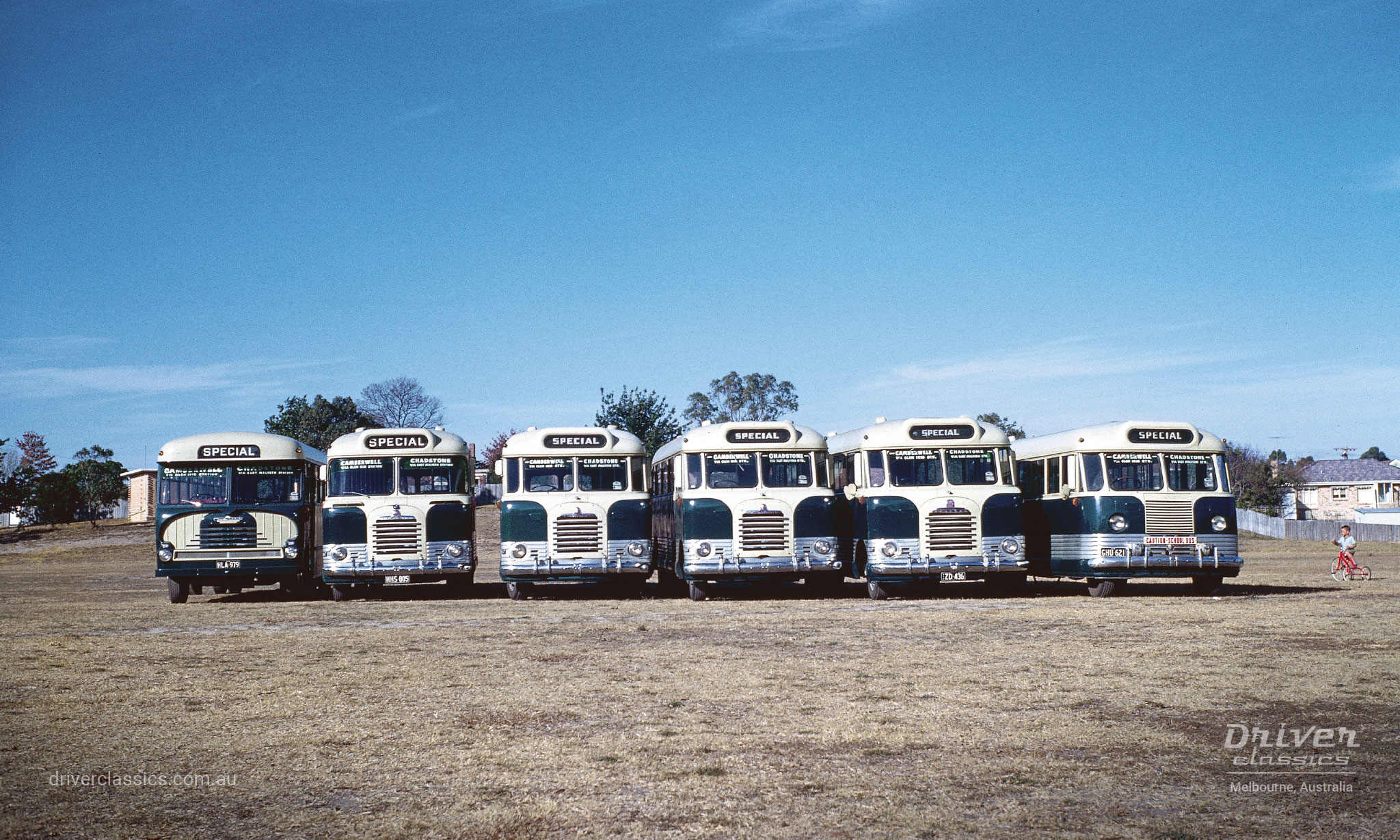
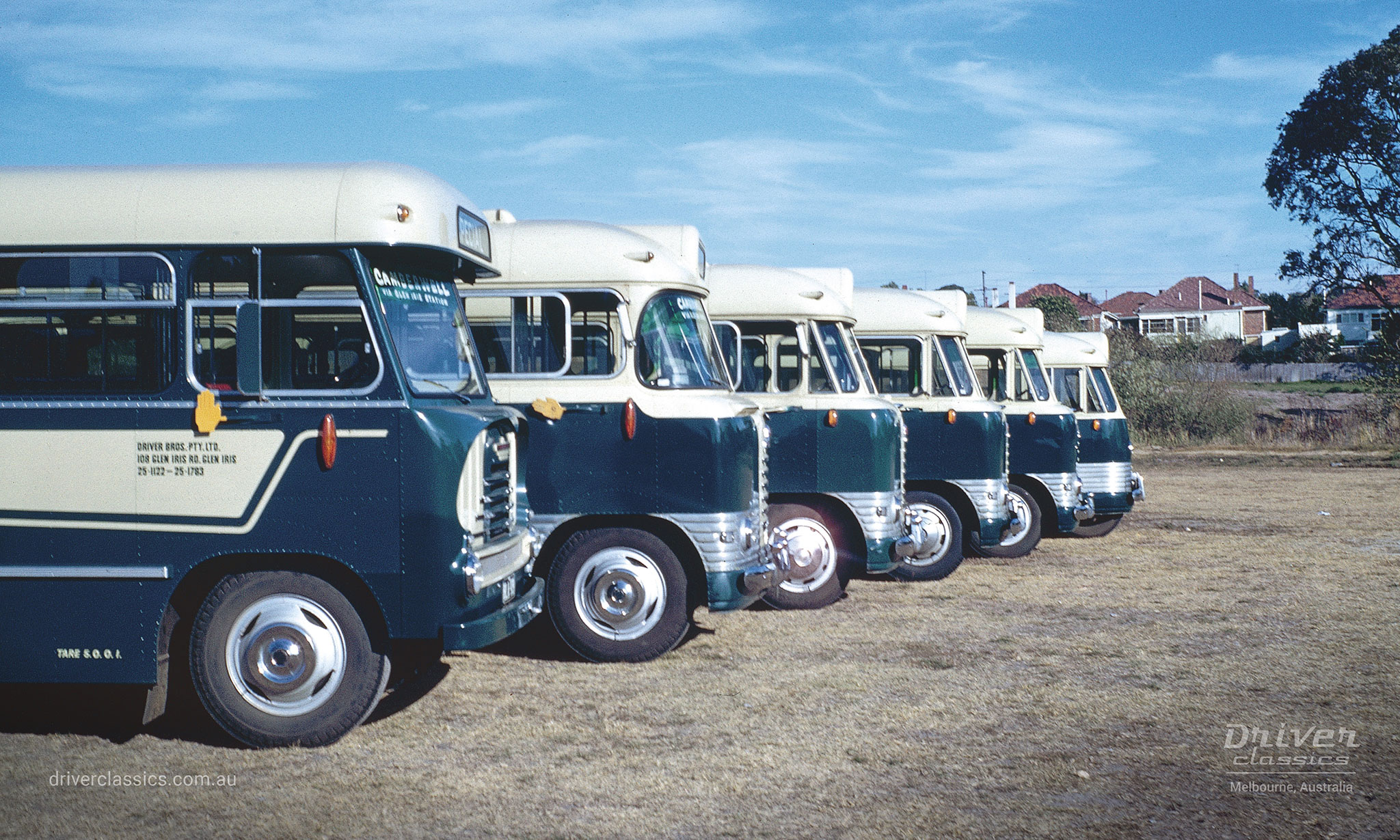
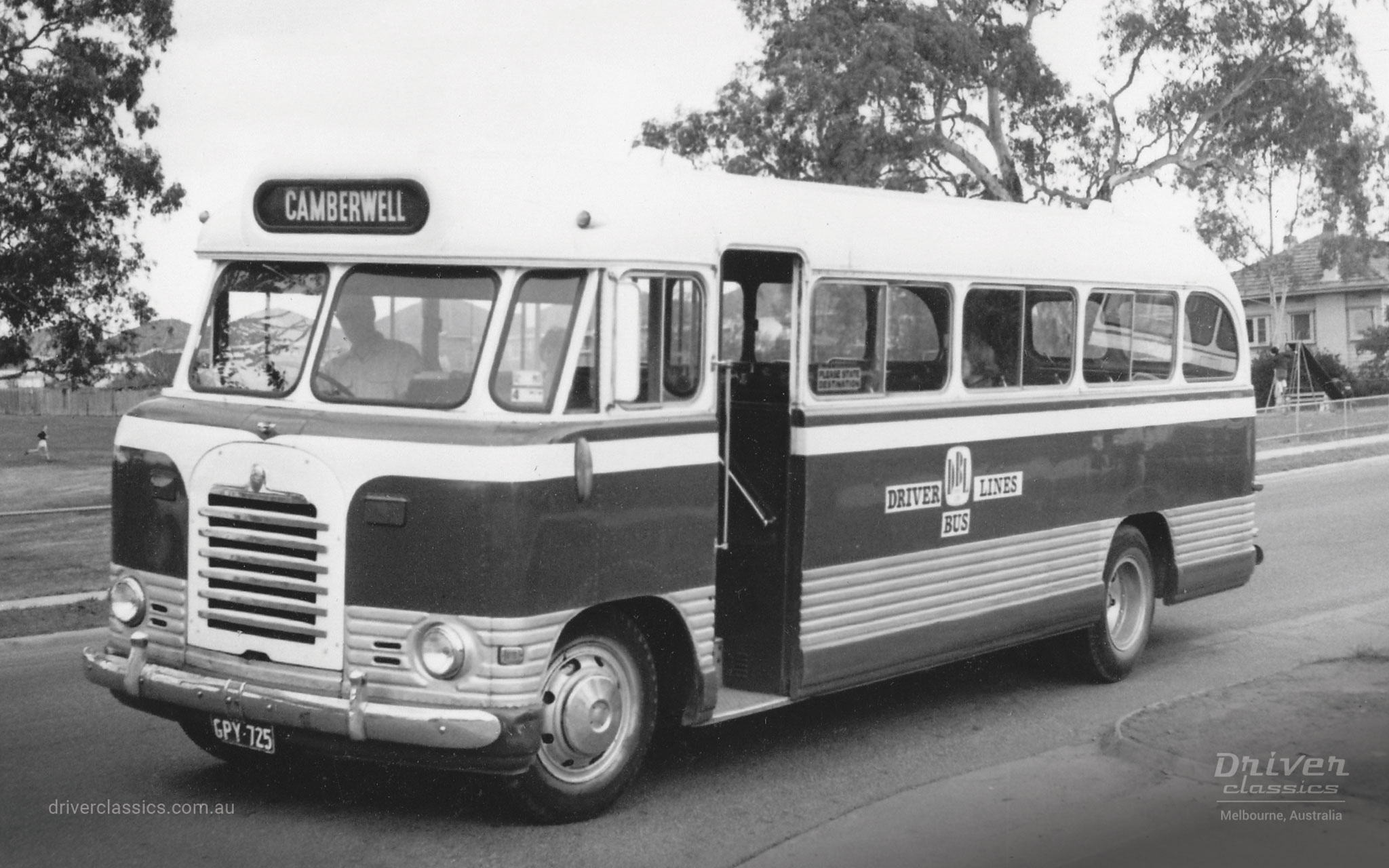
In April 1964, Driver Brothers Pty Ltd changed its name to Driver Bus Lines Pty Ltd with buses now beginning to display a Driver Bus Lines logo for the first time. Previous signwriting on buses was limited to destinations of Camberwell and Glen Iris on the sides of the buses.
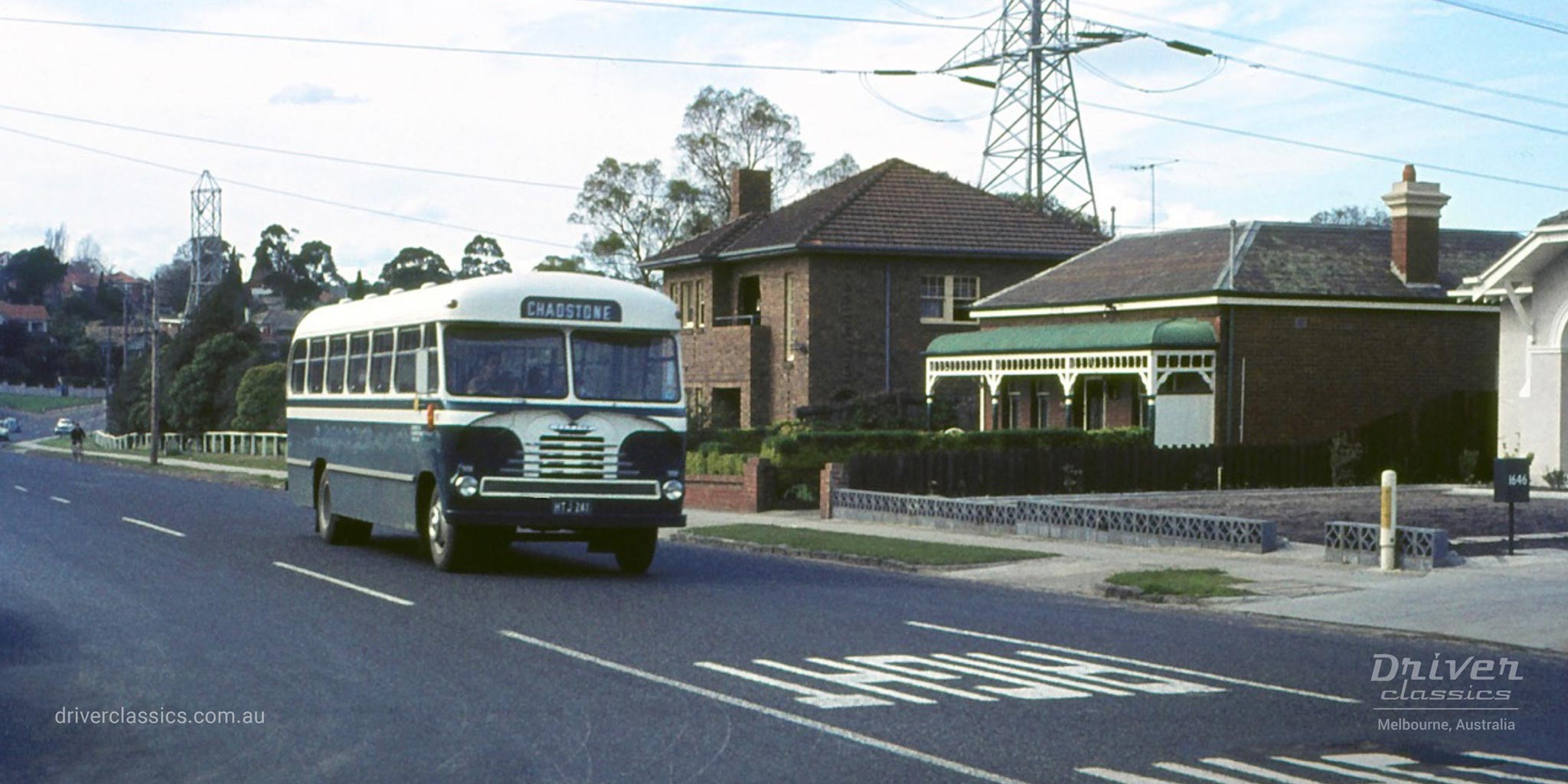
In May 1967, Eric Driver's eldest son Daryl John Driver joined the company following the resignation of the company’s first general manager Dick Nathan who had been appointed in the early 1960s. By 1969, the fleet had more than doubled in size, now at 9, to cater for route service and charter expansion. Eric's second son, Gary Merchant Driver, joined in January 1970.
1970-1979
The first coach arrives and ushers in a move to up market luxury
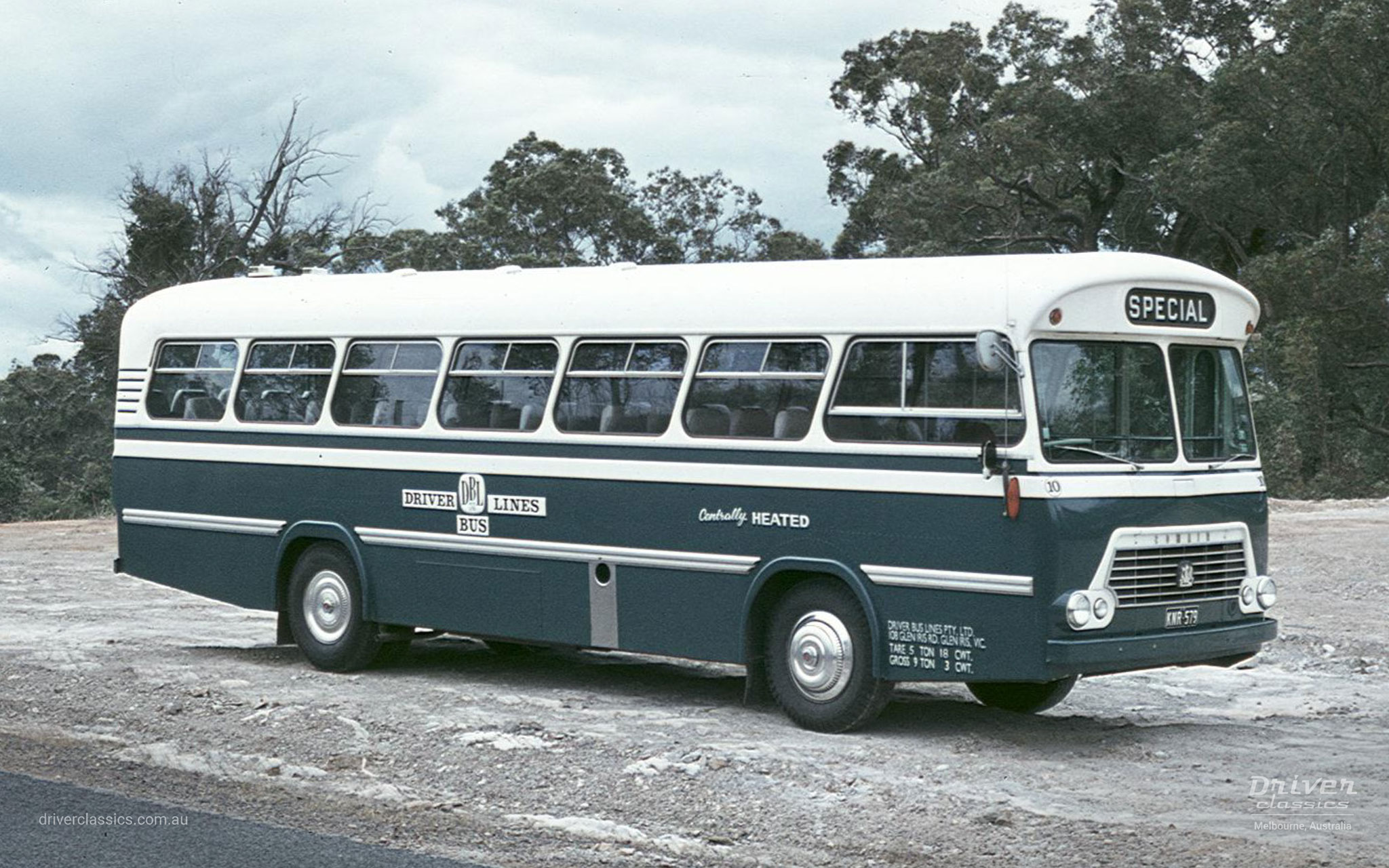
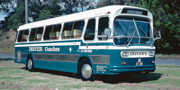
In 1970 the first charter coach, a Bedford VAM 3 with a Commonwealth Aircraft Corporation (CAC) body, was purchased to provide a higher level of service. Although very basic by today's standards, it did enable Driver Bus Lines to effectively offer quality overnight extended intrastate and interstate tours.
On July 1st 1974, Eric, Daryl and Gary Driver acquired Reg and Marjorie Driver’s shareholding of Driver Bus Lines. Daryl and Gary then became directors, Reg Driver fully retired and Eric Driver semi-retired but remained a shareholder and director.
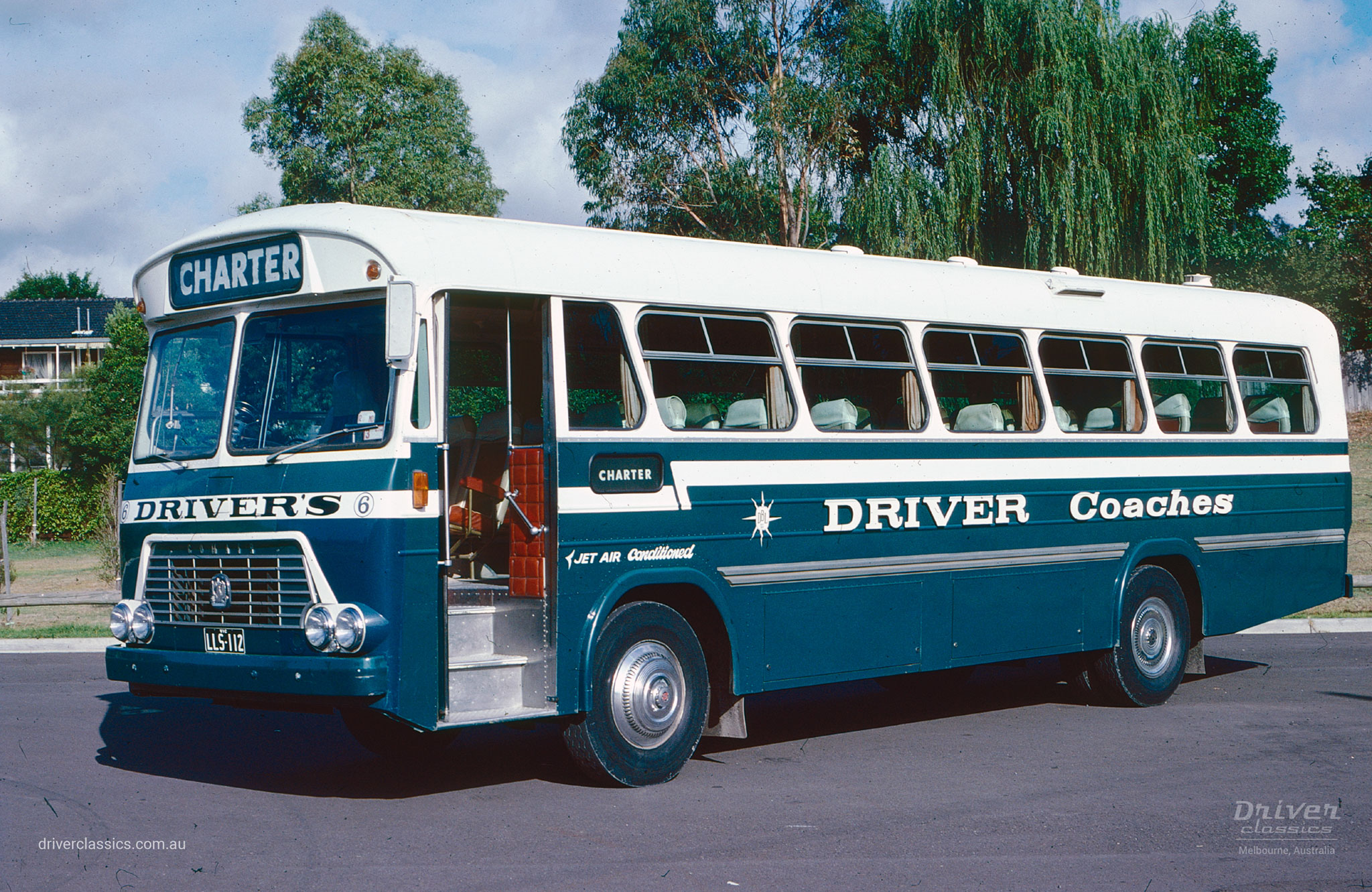
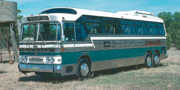
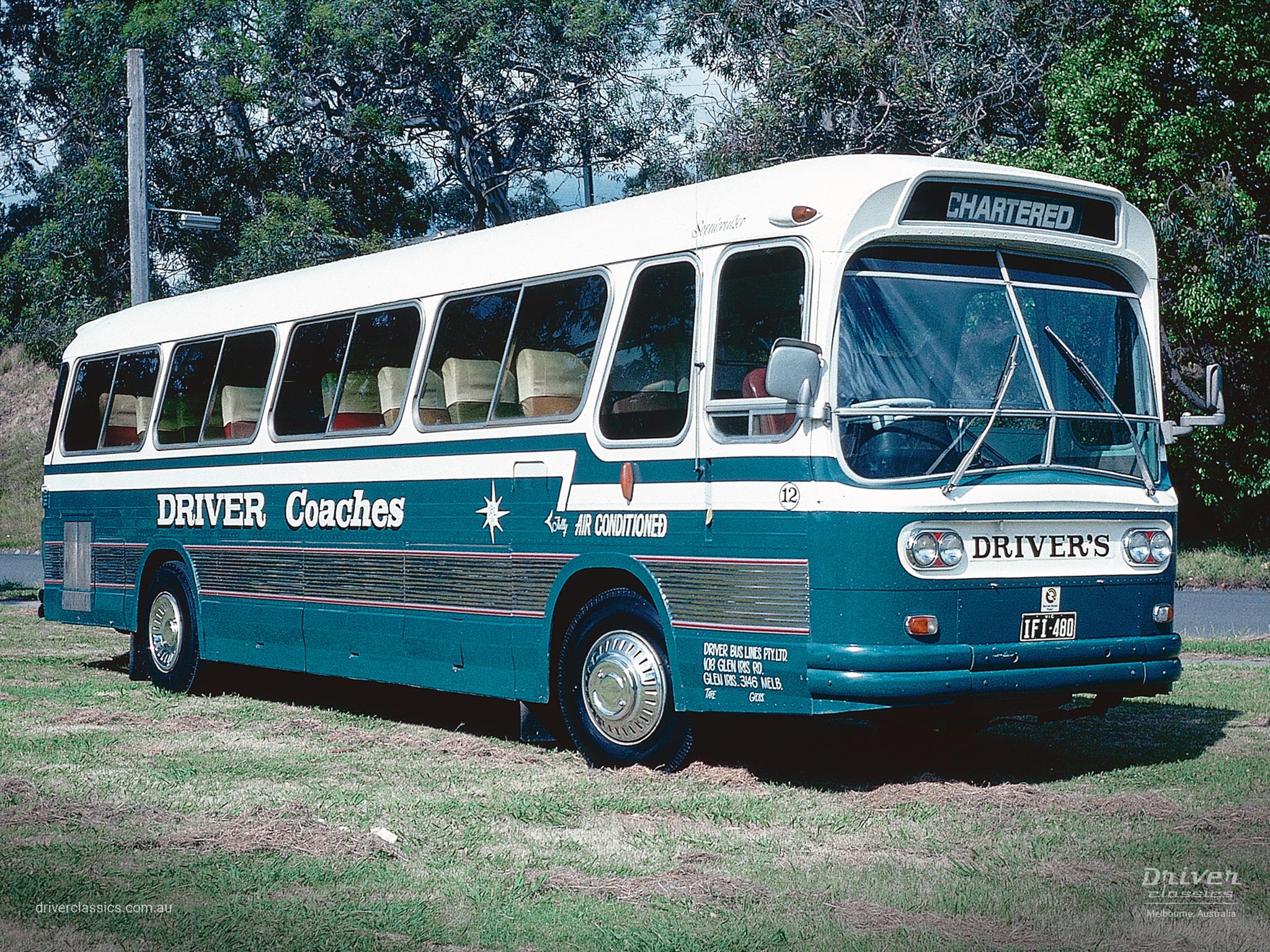
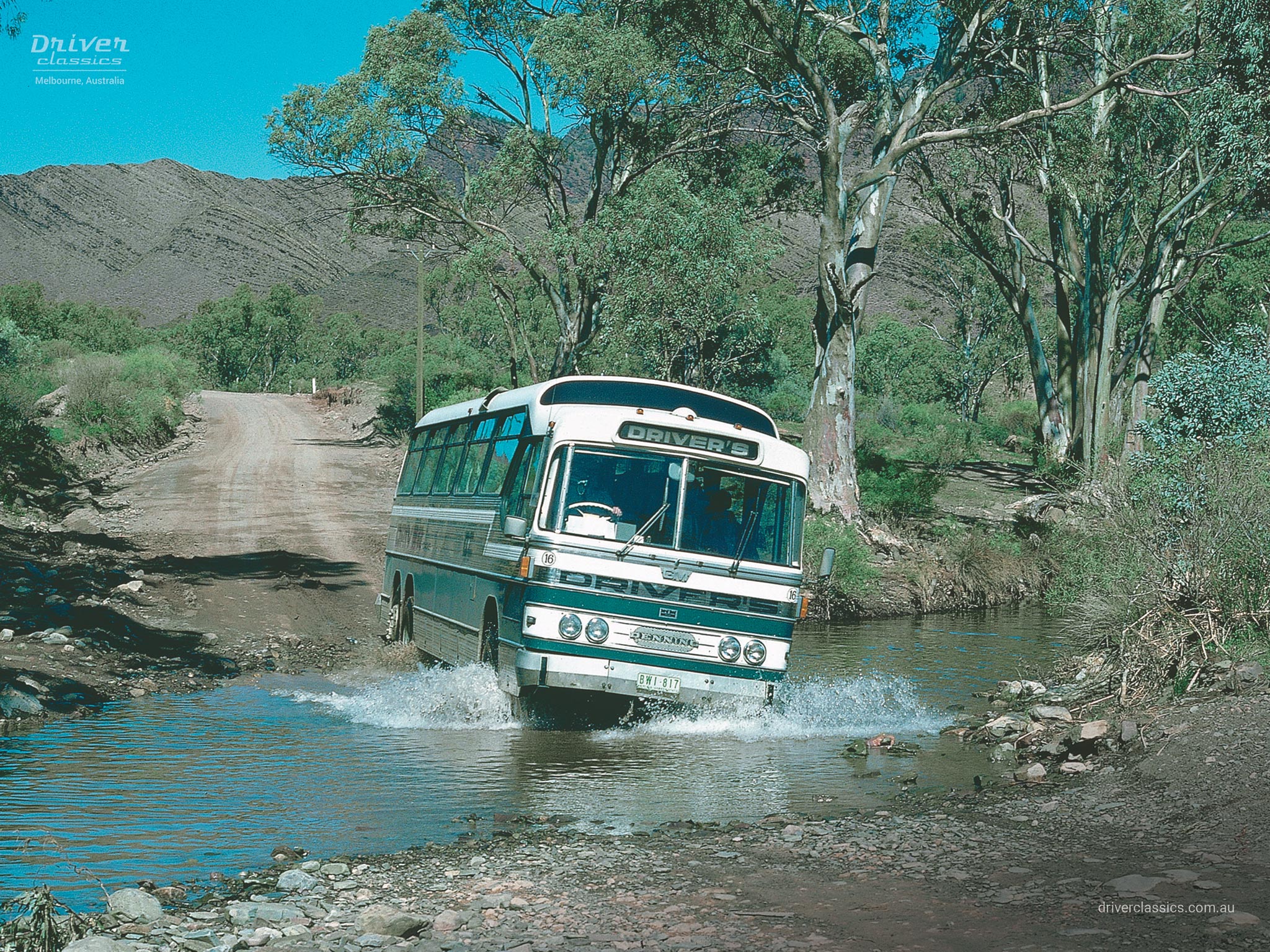
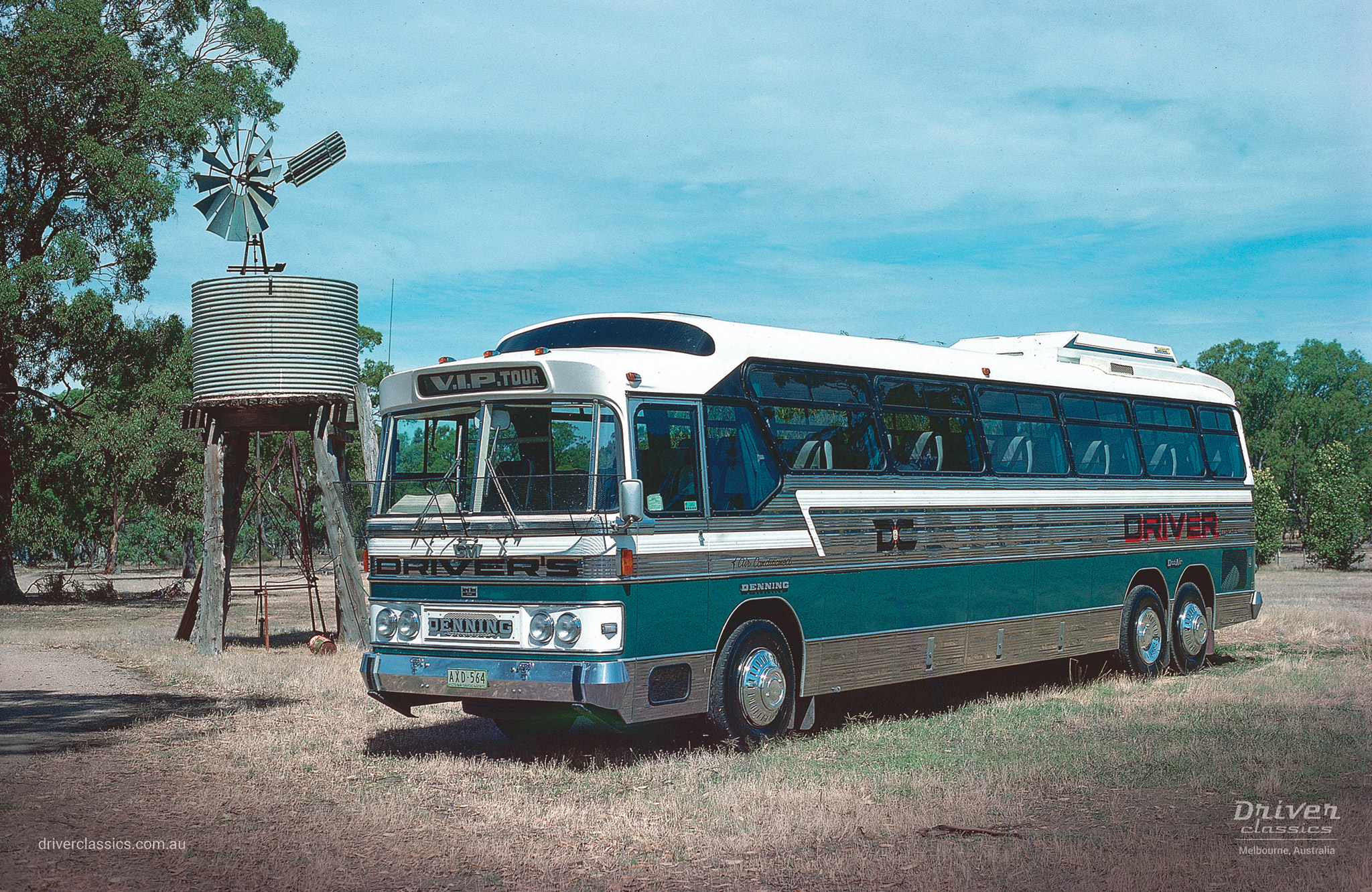
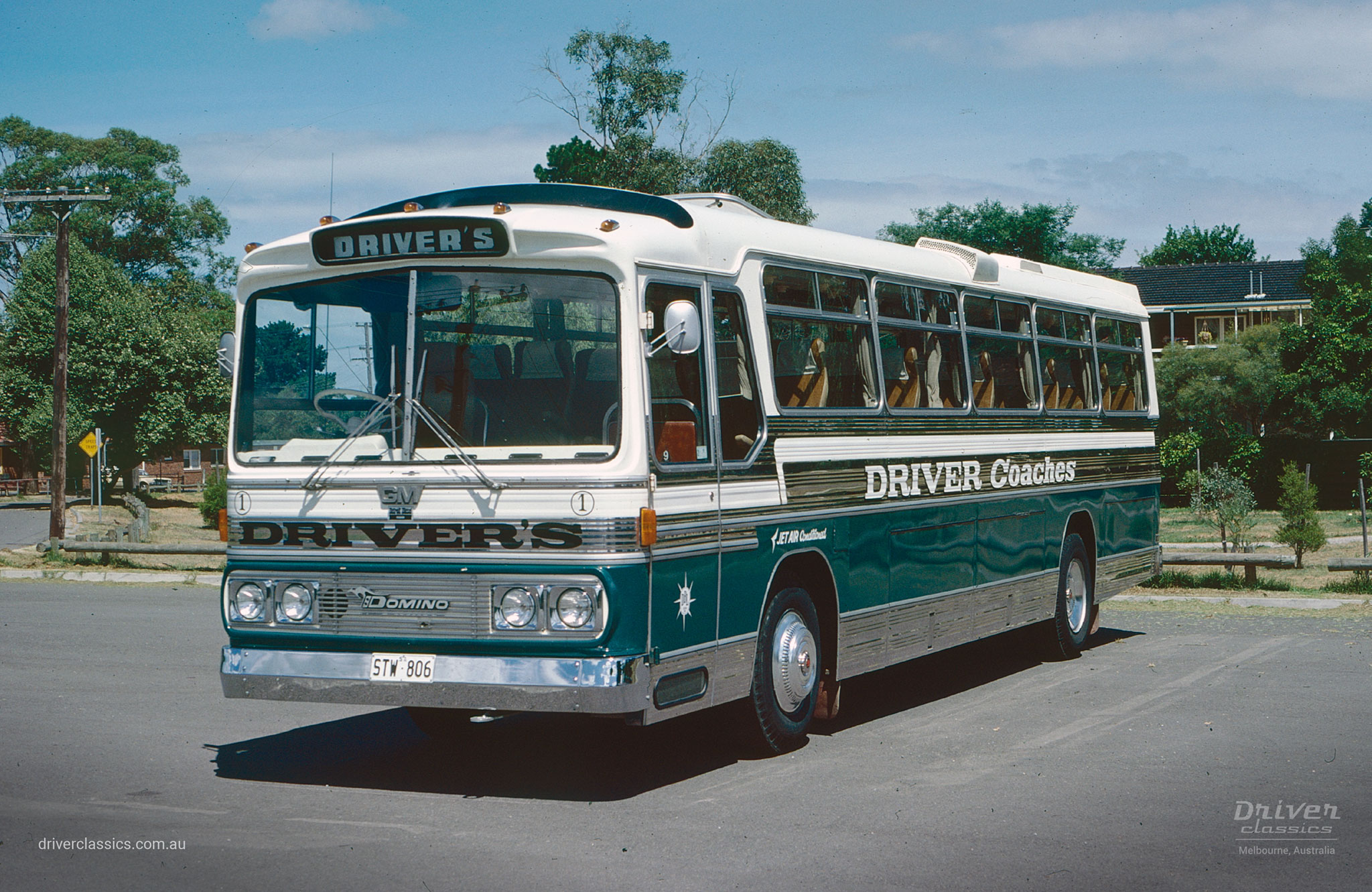
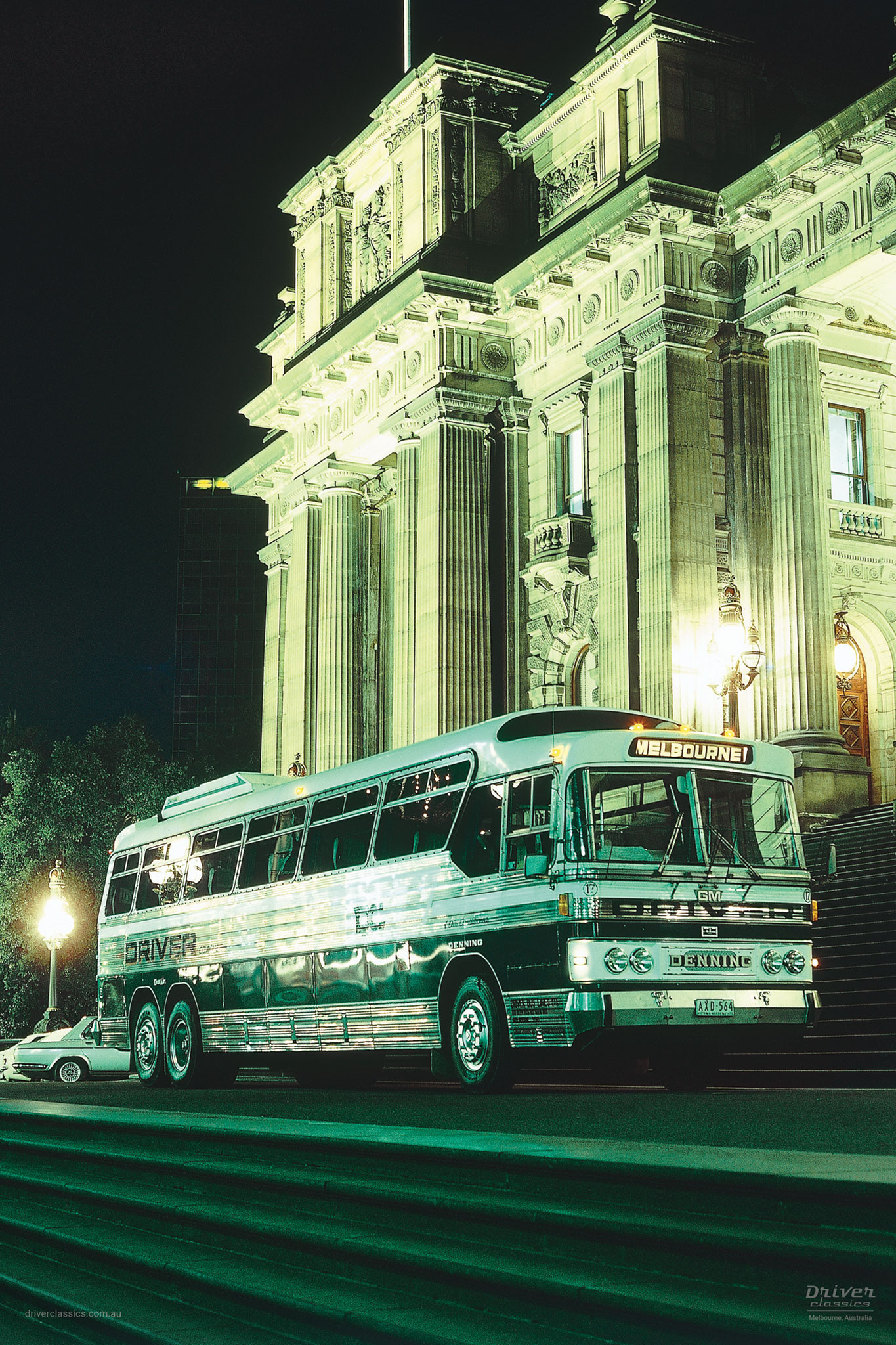
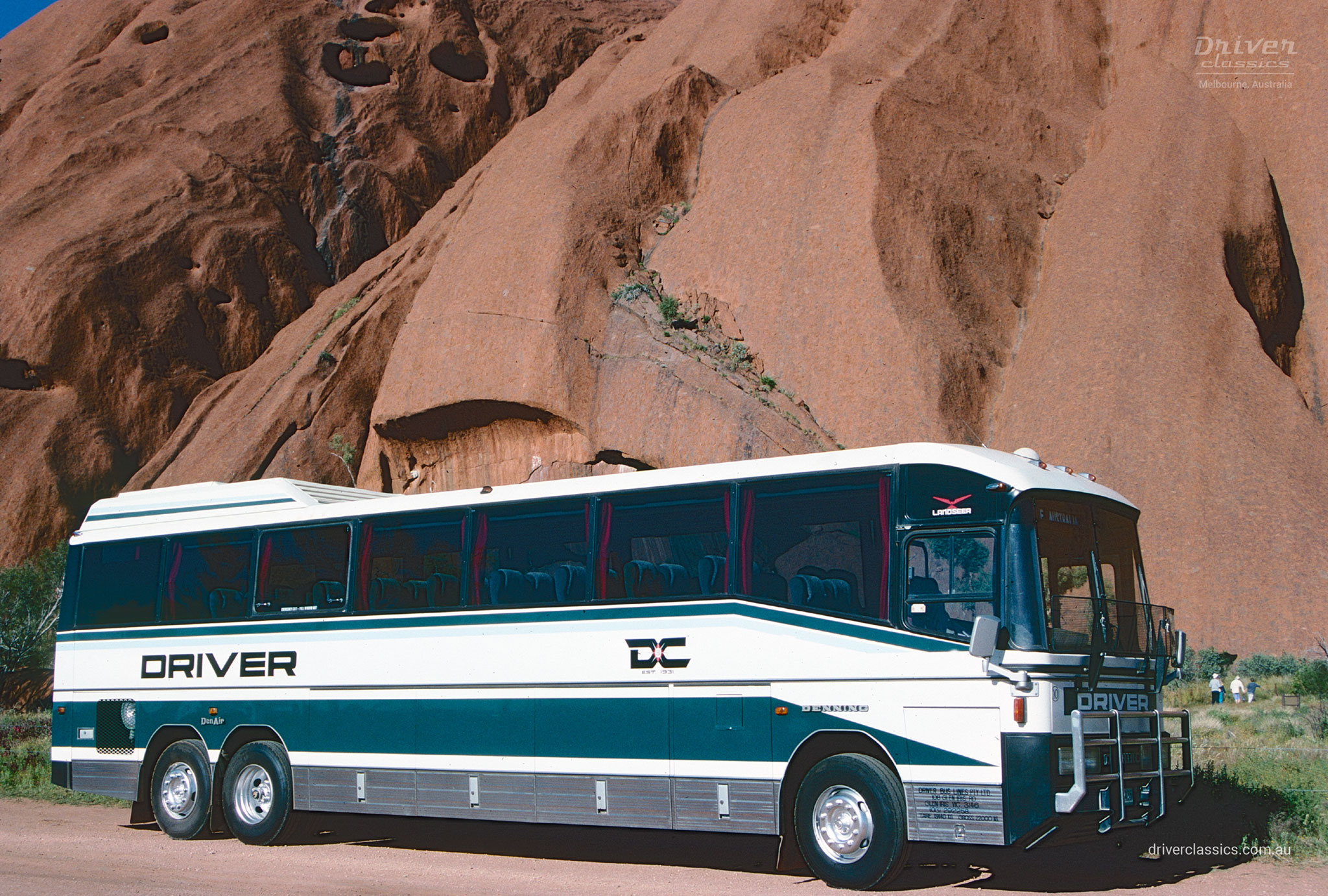
1975 signalled the arrival of the first GM diesel powered coach, an ex-Ansett Pioneer GMC Ansair Scenicruiser and with this purchase, Driver Bus Lines became a preferred and regular day tour supplier to Ansett Pioneer, a portend of things to come. The up market, air-conditioned and rear engine GMC Ansair Scenicruiser set the scene for future vehicle standards and although short lived in the company, GM diesel powered Australian built Denning coaches did became the standard.
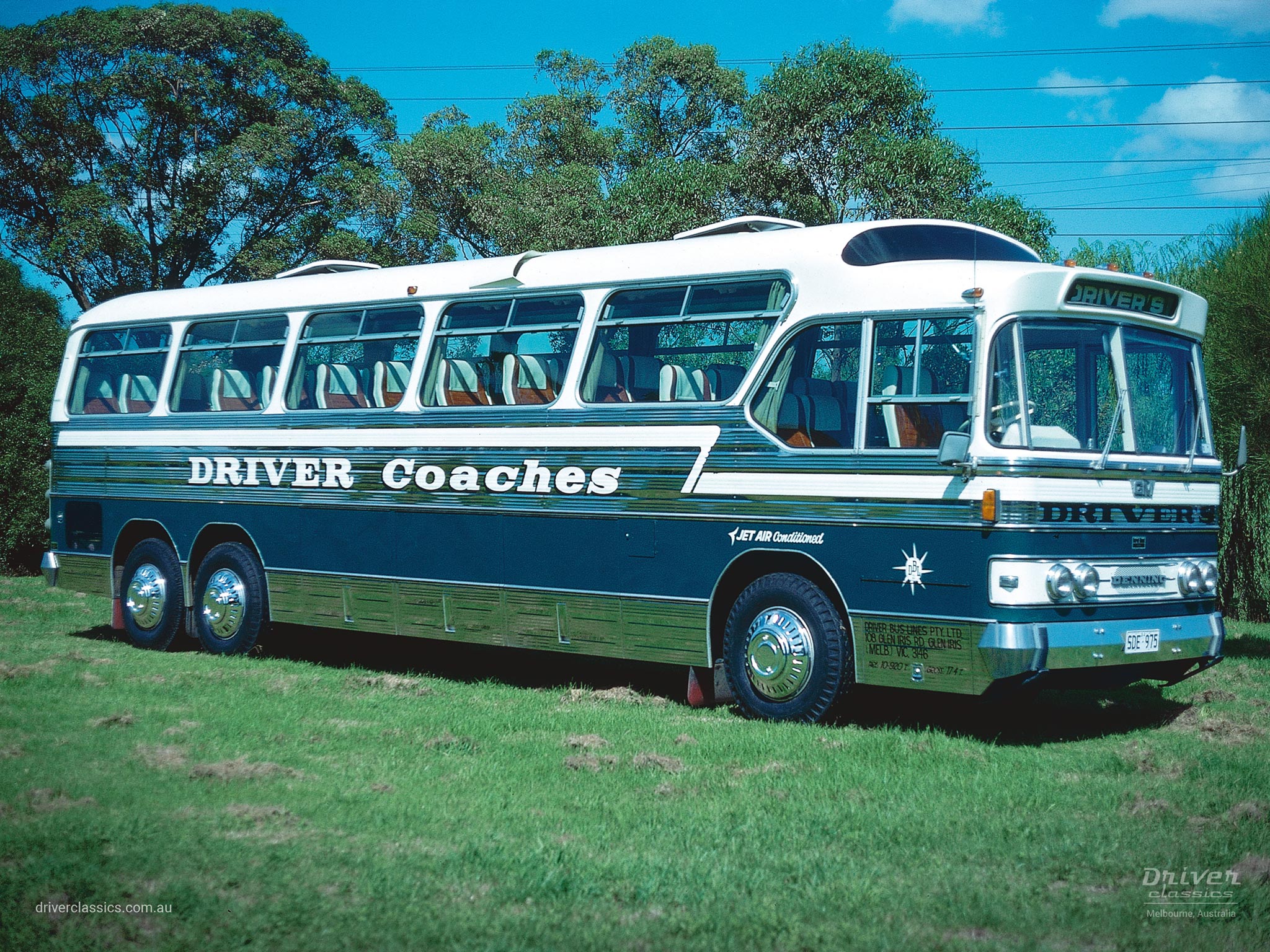
On July 1st 1975, Reg Driver sold his share of the Glen Iris properties to Eric, Linda, Daryl and Gary Driver.
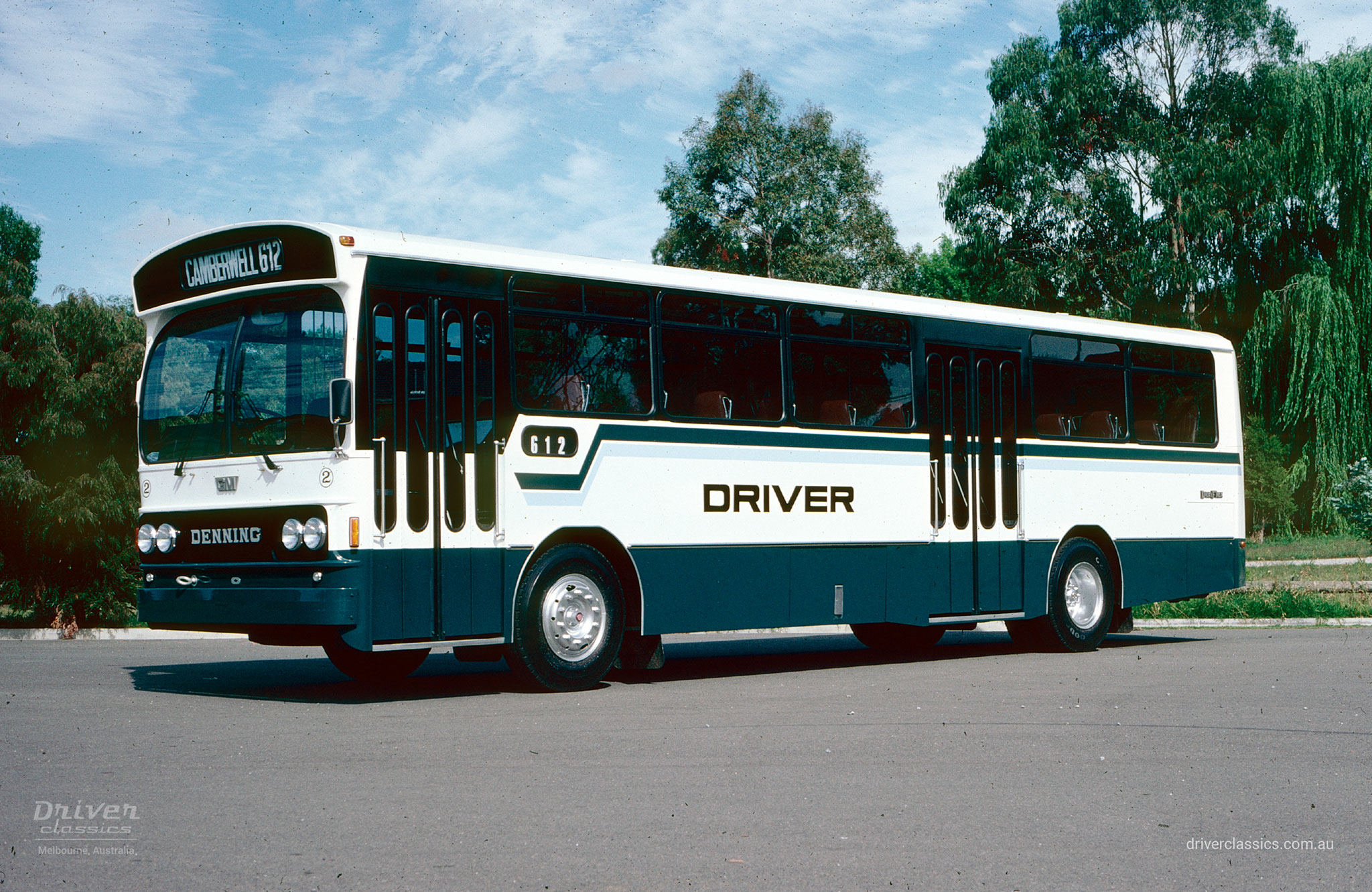
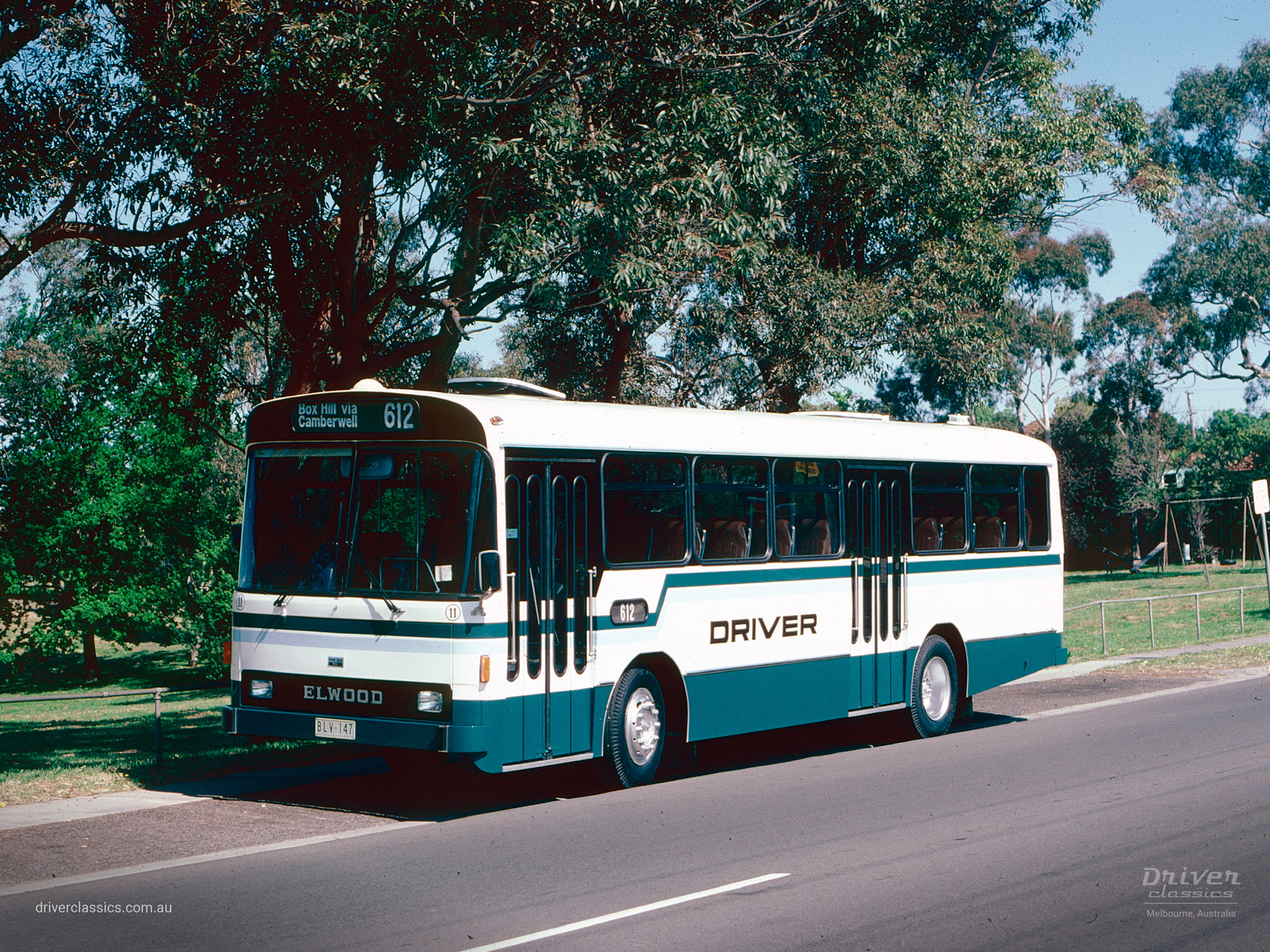
Further transit expansion occurred in 1978 with the takeover of Curren's Camberwell-Box Hill service. This resulted in route 612 being extended to become Chadstone-Glen Iris-Camberwell-Surrey Hills-Box Hill.
1980-1989
Dealing with the State Government
Reginald Alan Driver (Daryl and Gary's uncle) passed away in January 1981. He will be fondly remembered for his role in establishing and guiding the success of Driver Bus Lines. Eric Merchant Driver (Daryl and Gary's dad) passed away in July 1982, at the age of 78, after 51 years in buses. Those who knew him, valued and admired him for his kindness, strong character and business acumen.
During the 1980s the State Labor Government embarked on a plan to rationalise private transit operators in Melbourne. In order to protect the original service that Eric and Reg had pioneered, Daryl and Gary with their fleet size now at 19, took up the Government’s so-called challenge of "Go or Grow" and in 1986 acquired the licenses of Shave Bus Service, 29 buses, routes 623, 624 and 627 along with the Shave bus depot at 12-14 Ricketts Road, Mt Waverley. This gave Driver Bus Lines the strength of an efficiently sized transit base of around 50 buses to help withstand any future Government planned action.
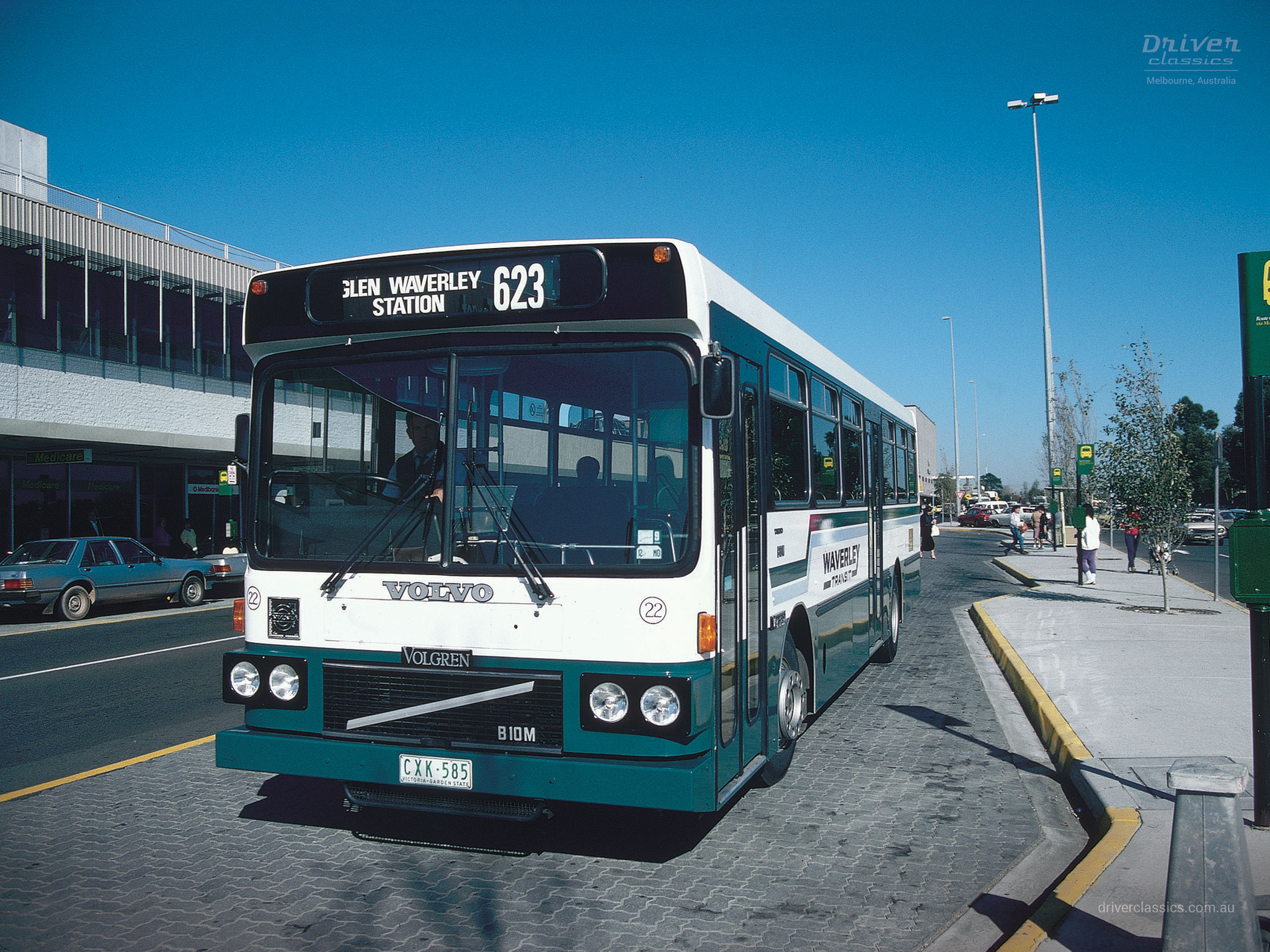
Two years later, after the State Labor Government had approved Driver Bus Lines’ purchase of Shave Bus Service, now Waverley Transit, the State Labor Government called for tenders on all Melbourne bus routes. The only routes across Melbourne to lose out on the tender were Waverley Transit's 3 routes and 7 of a neighbouring operator.
The State Labor Government awarded those 10 routes to a new entrant in Melbourne's transit services who happened to be in our immediate area. The new entrant had been artificially created by the State Labor Government for the purpose of open tendering. The new entrant had been awarded 60 fully contracted buses but without routes to operate them on, hence the State Labor Government’s decision to award Waverley Transit’s 3 routes and 7 other routes nearby to the new entrant. We were then subsequently asked to ‘take out’ a neighbouring operator and their bus routes without purchasing them. We declined.
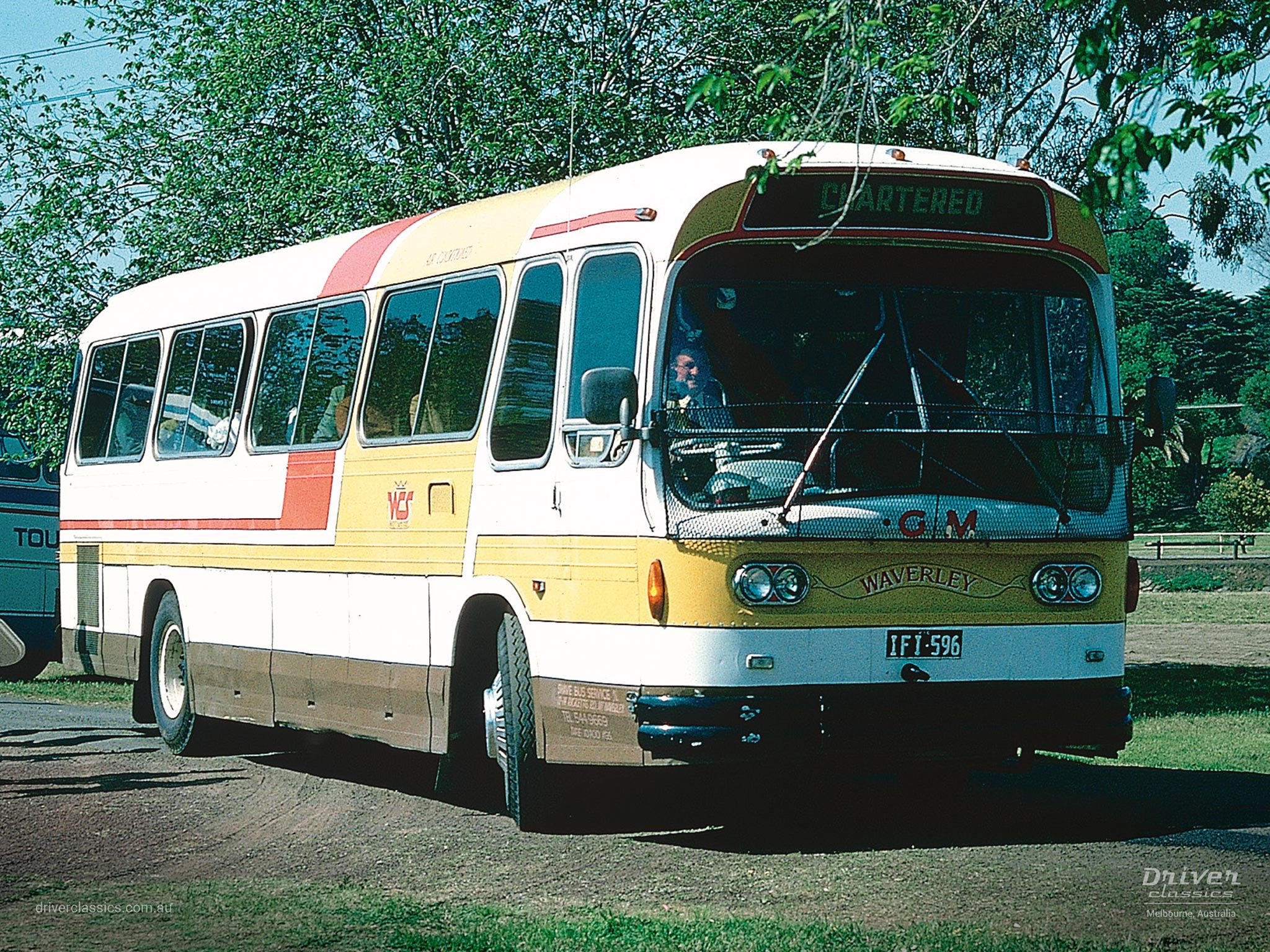
Instead, Waverley Transit with the support of all of Melbourne's family bus operators, took the State Labor Government to the Supreme Court and this resulted in a finding that the Government had acted improperly, and an order was made quashing the contract with the new entrant.
The State Labor Government appealed, and Waverley Transit launched a counter appeal resulting in another victory for Waverley Transit and the Victorian private family bus operators. This established that private family bus operators owned their licences and their bus routes.
Although the private family bus operators won this hard-fought battle against the State Labor Government, time would show that ultimately private family bus operators would lose the war and giant multi-national companies would set up bases in Australia and take over the operation of all Melbourne route services in the next century through acquisition and tendering.
In looking for an independent stand-alone business opportunity, free of government intervention, Driver Bus Lines acquired four coaches, the Ansett Pioneer sightseeing licenses and the Pioneer Trailways business (previously Ansett Pioneer) from John Sinclair on May 20 1989. Operation of sightseeing day tours then commenced from the Ansett Pioneer building in Franklin Street, Melbourne under the name of Pioneer Tours.
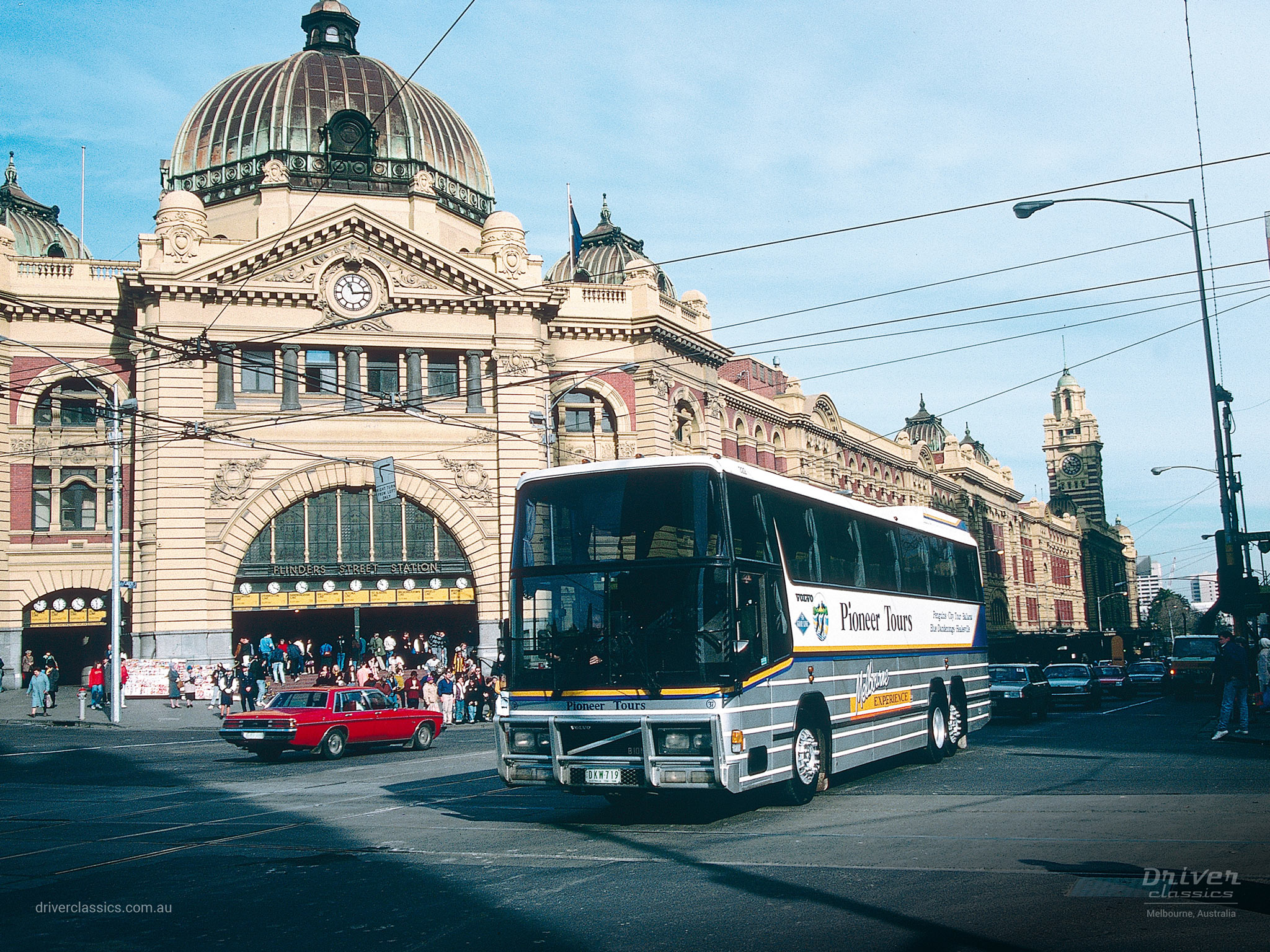
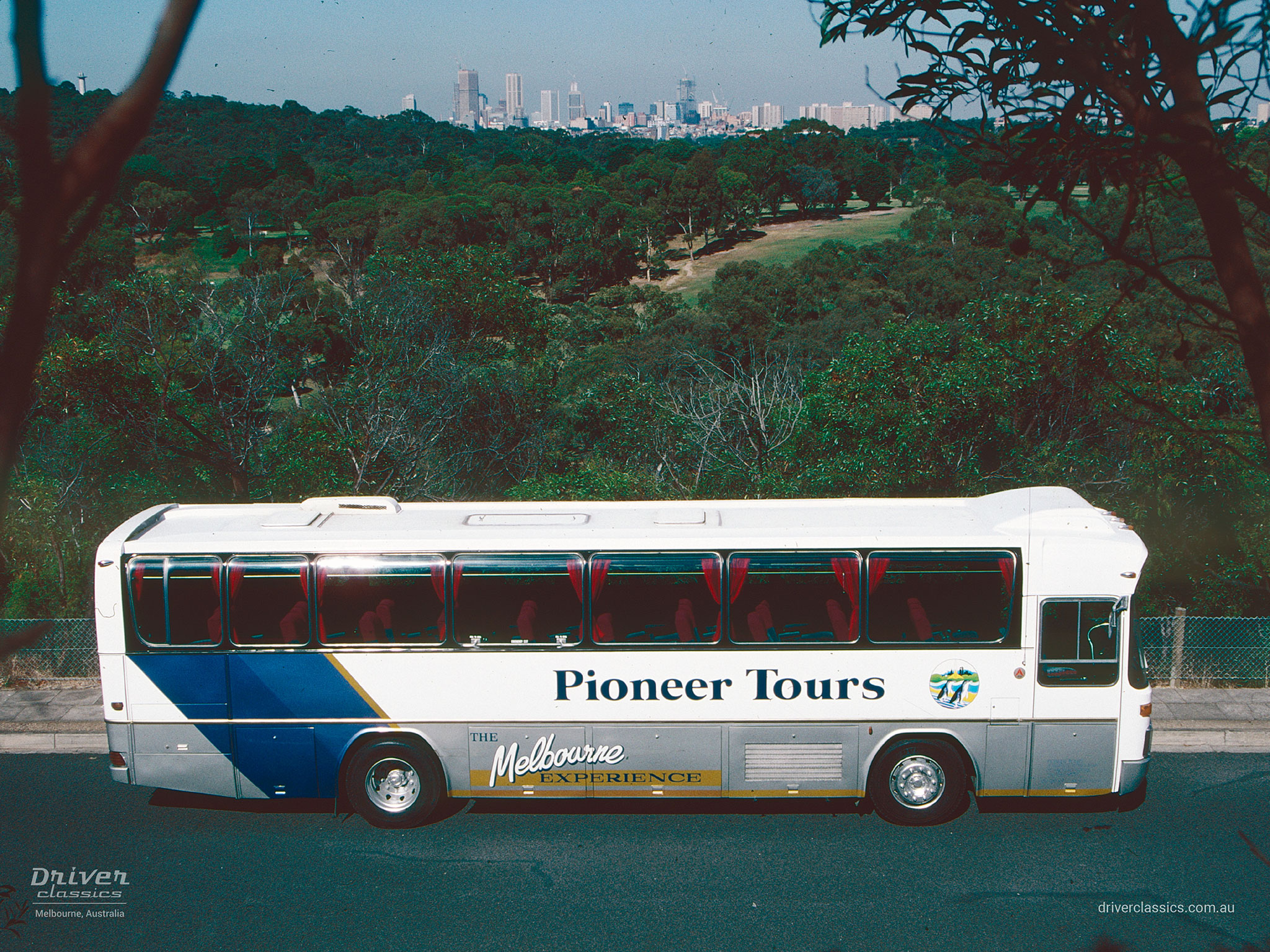
By August 1989, the Pioneer Tours departure point and sales office had relocated to 181 Flinders Street, Melbourne (opposite St Pauls Cathedral) between competitors Australian Pacific Tours and AAT Kings. Because of council street parking requirements, all major day tour operators were moved many times - 101 Collins Street, 101 Bourke Street, 184 Swanston Street Walk, 180 Swanston Street Walk and finally Russell Street extension at Federation Square.
1990-1999
Expansion into premium sightseeing
Kym Louise Driver, Daryl Driver’s eldest daughter, commenced working in our Pioneer Tours sightseeing division in November 1990. Kym the first of the third generation to work for Driver Bus Lines. Kym’s sisters Shelley Robyn Driver and Angela Monique Driver commenced in April 1992 and September 1992 respectively. Robert Nadalin, who would later become Kym Driver’s husband, commenced full time in April 1992 and would go on to become general manager.
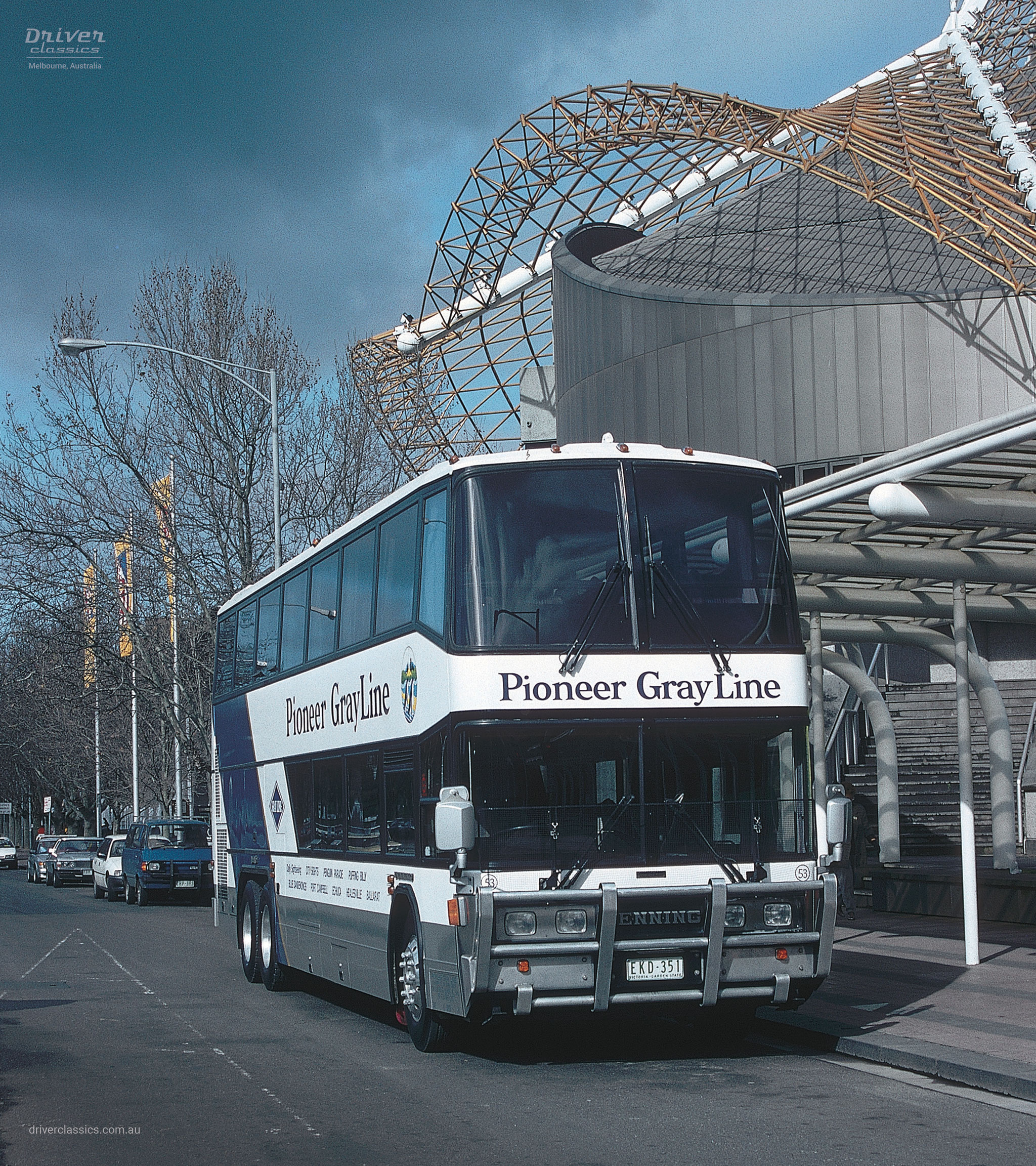
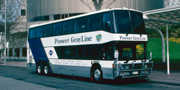
In February 1991, Pioneer Tours achieved worldwide recognition when it became Gray Line of Melbourne and accordingly changed its name to Pioneer Gray Line.
Pioneer Gray Line then set up a network of operators under the Gray Line banner throughout Australia and New Zealand to enable common recognised branding and joint promotion of sightseeing for the entire network. Combined, the Gray Line Australia and New Zealand operators offered the largest range of sightseeing tours in the South Pacific region.
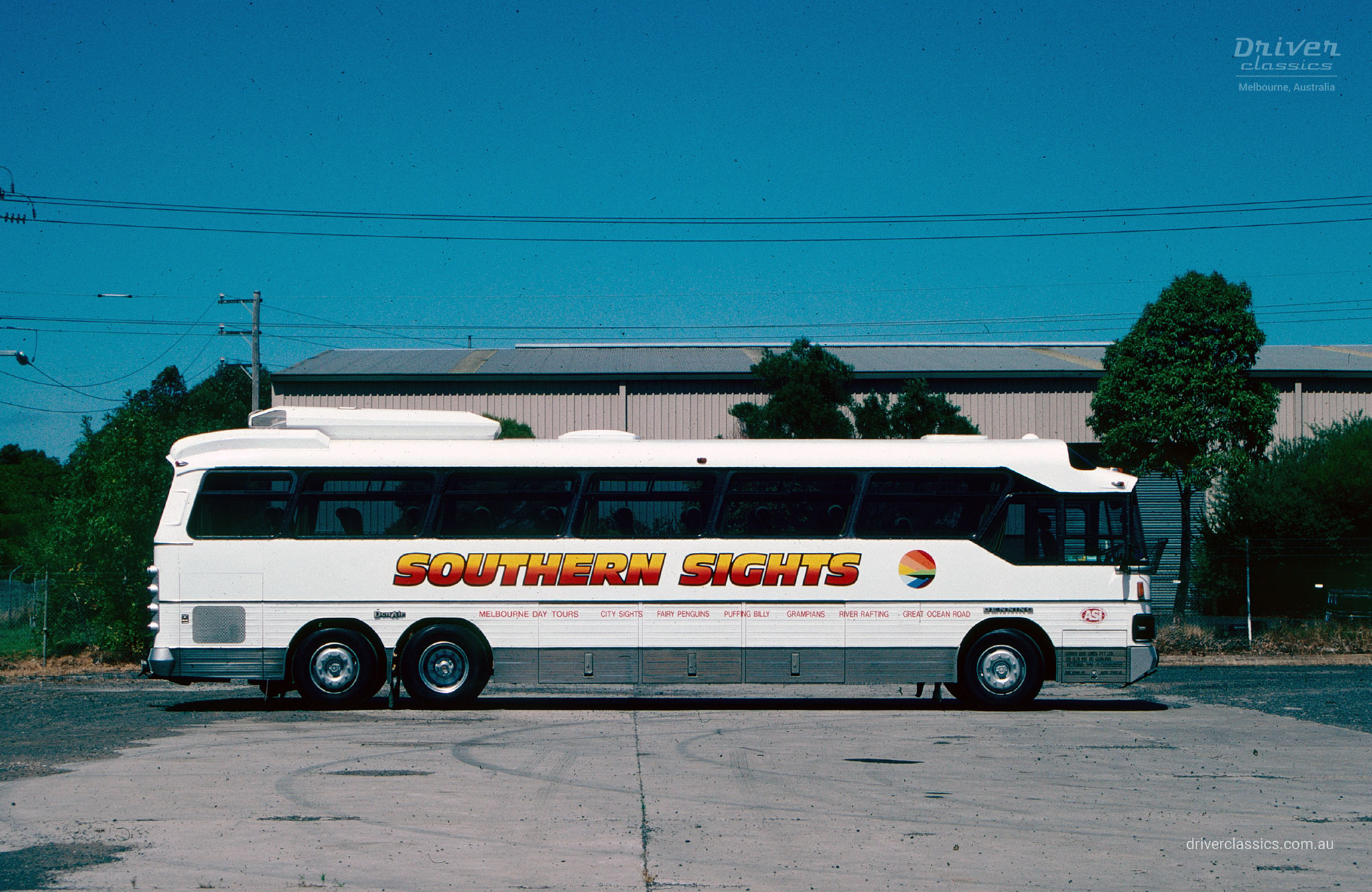
In May 1992, Driver Bus Lines acquired the transit operation of Nuline Bus Service, consisting of six buses and licences. During October 1992, a second day tour brand was launched in Melbourne under the name of Southern Sights, later to become Great Sights. Southern Sights was the Melbourne link in the Australia/New Zealand network of Great Sights South Pacific day tour operators.
Also in October 1992, Driver Bus Lines acquired two coaches and licences from Melbright Coaches when that operator ceased trading.
In May 1993, the once revered "Pioneer" name was dropped and our primary day tour brand became Gray Line Melbourne.
May 1993 also saw Driver Bus Lines biggest undertaking to date - the acquisition of land and buildings at 45-53 Ricketts Road, Mt Waverley to be developed into a bus depot that could garage up to 100 buses. The Glen Iris depot would be retained for coach parking and body shop work and the 12-14 Ricketts Road, Mt Waverley yard would eventually be sold. By August 1993, the fleet size was 60.
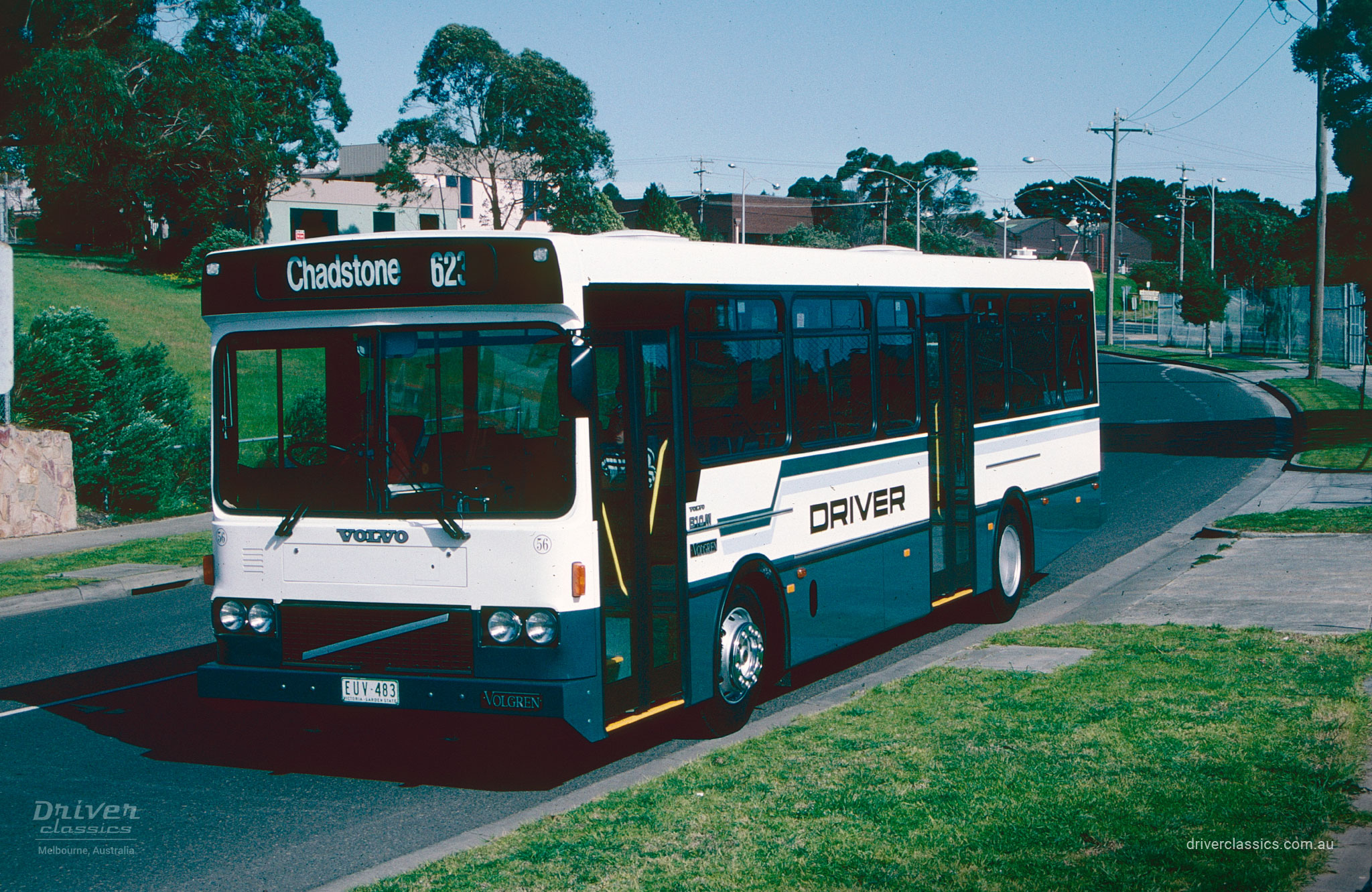
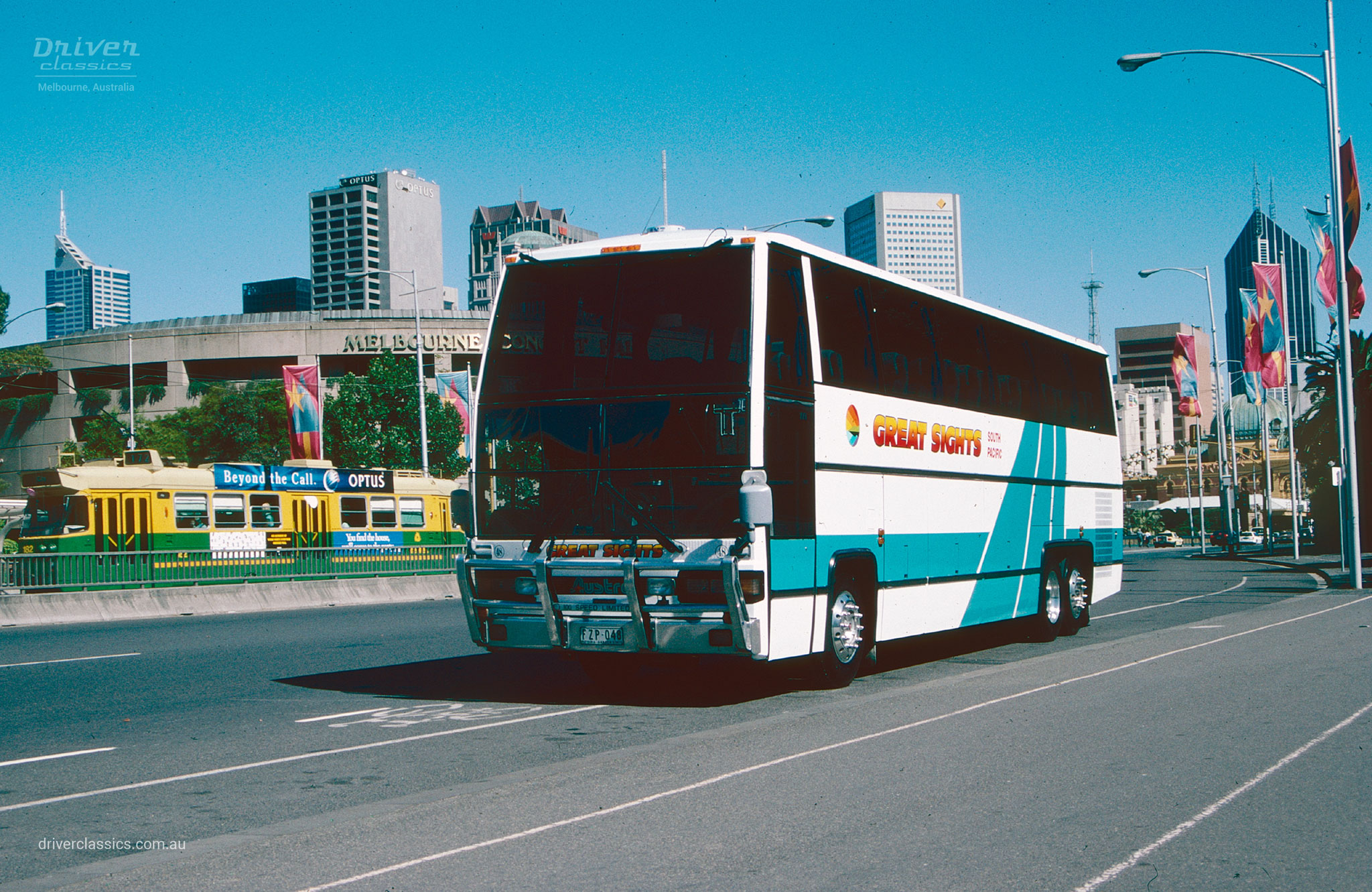
In June 1994, Great Sights South Pacific, a Sydney based day tour operator initially operated by Newmans (New Zealand) and later by Sydney’s Cronshaw family, was acquired marking Driver Bus Lines' first venture outside of the State of Victoria.
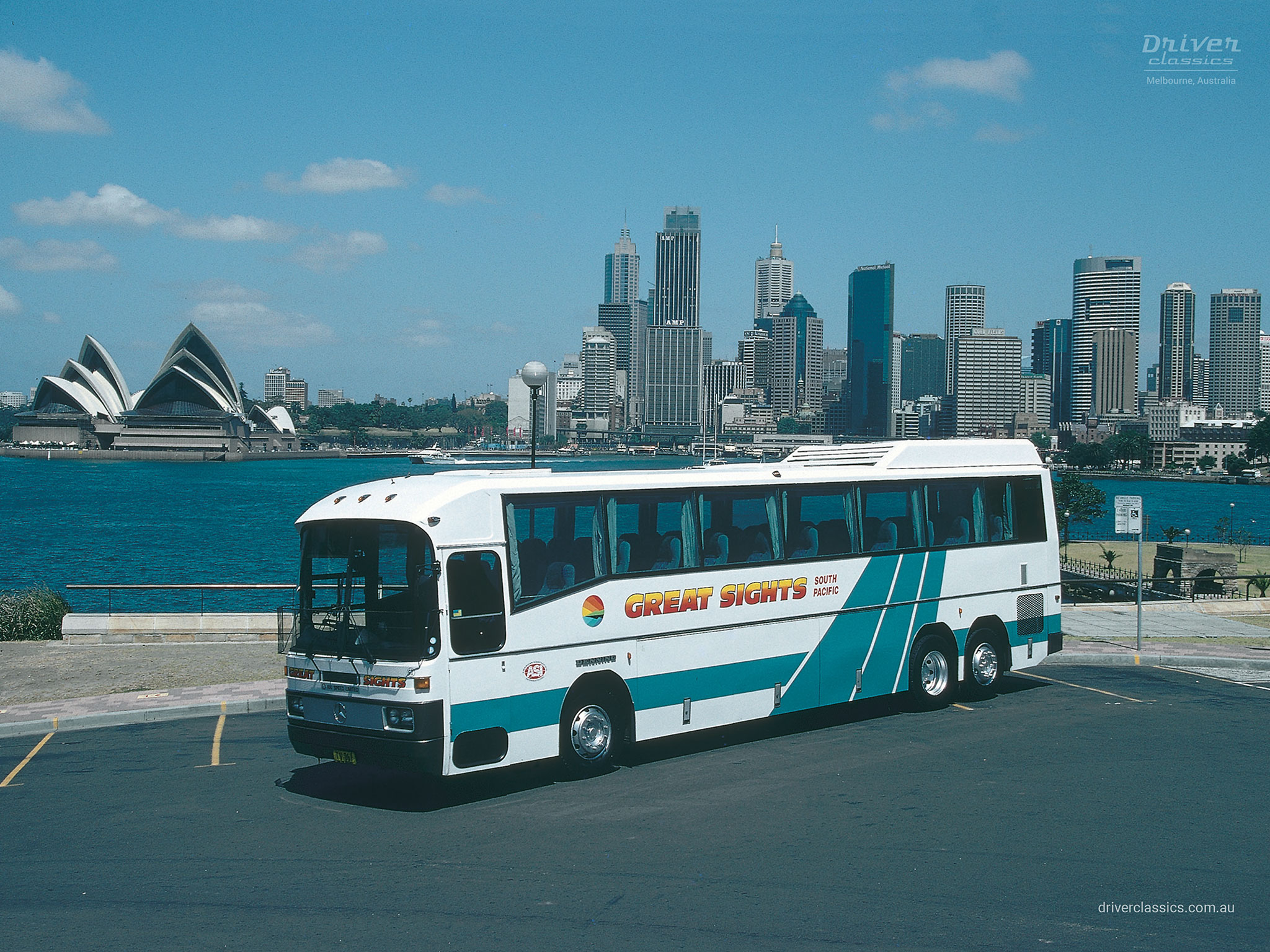
To more accurately reflect the company's activities, the Driver Bus Lines Pty Ltd name was changed to Driver Group Pty Ltd on July 1st 1996 incorporating three operating brands: Driver Bus Lines, Gray Line and Great Sights.
“Tours, Information and Bookings” was set up at Melbourne Central as Driver Group’s first stand-alone retail sales outlet in October 1996 primarily selling day tours.
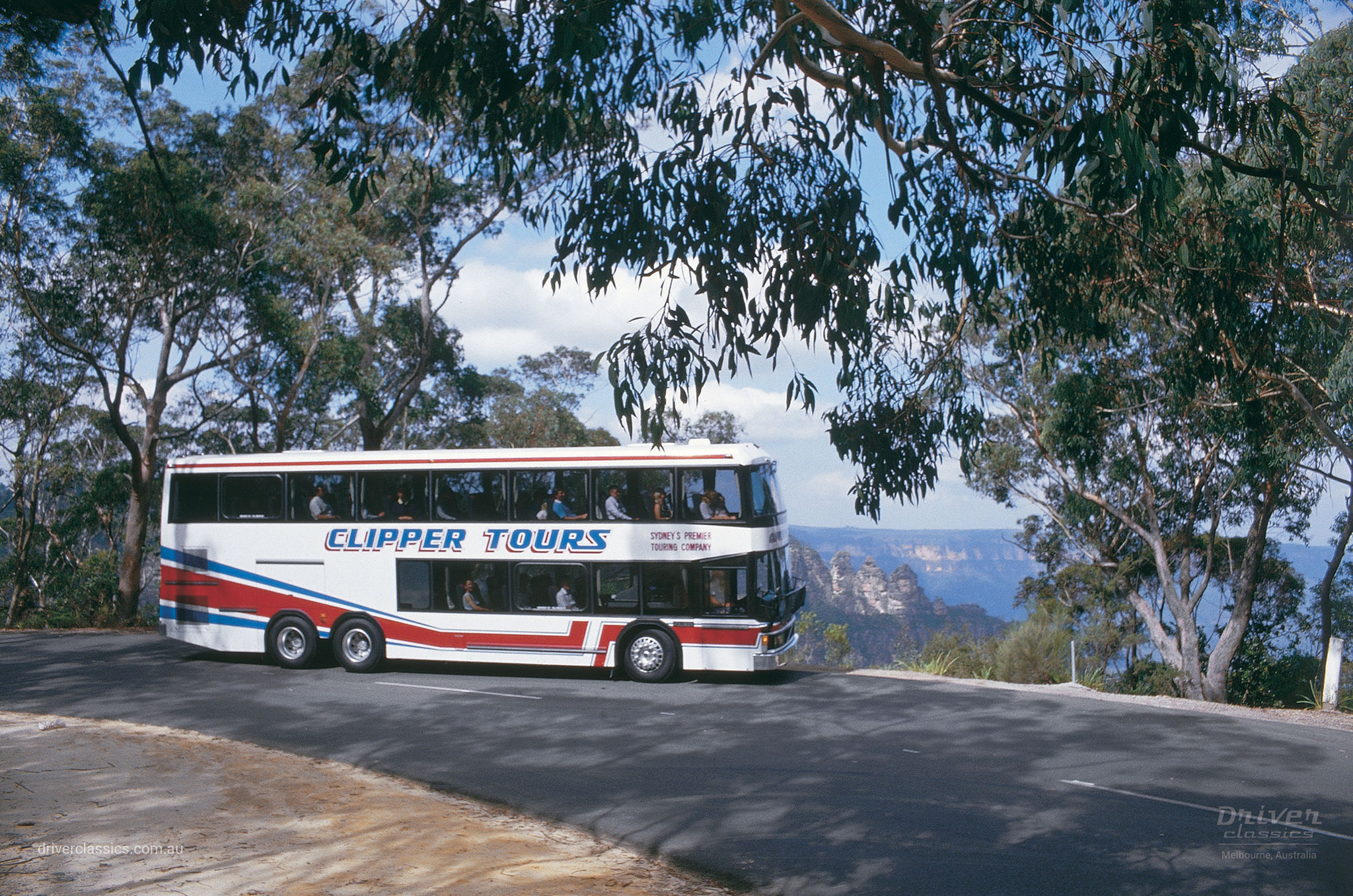
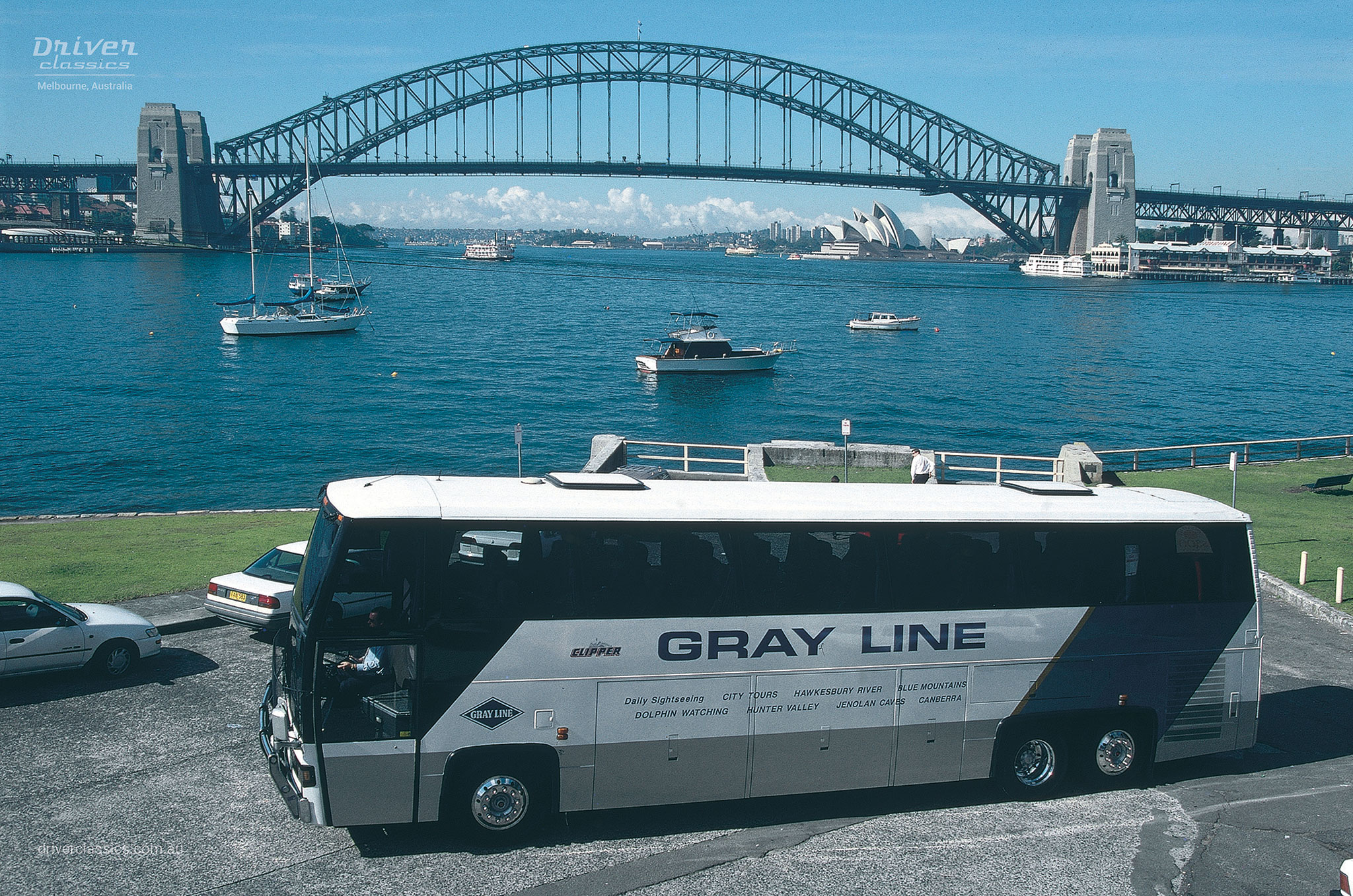
In January 1997, Sydney's Clipper Tours and Limousines, a 31-vehicle charter and day tour operator was purchased from Ross Adair. The primary purpose of this acquisition was to acquire Gray Line of NSW and enable a strengthening and expansion nationwide of the Gray Line brand with Driver Group involvement.
The Driver family made a strategic decision to work with partners in sightseeing outside of Victoria and in December 1997 Driver Group, Bryan Williams and Sita Australia became minority partners with Wayne Clift in Bellara Forge, a Brisbane/Gold Coast sightseeing operation. Brands acquired included Australian Day Tours and Coach Trans Sightseeing, with Gray Line subsequently being introduced.
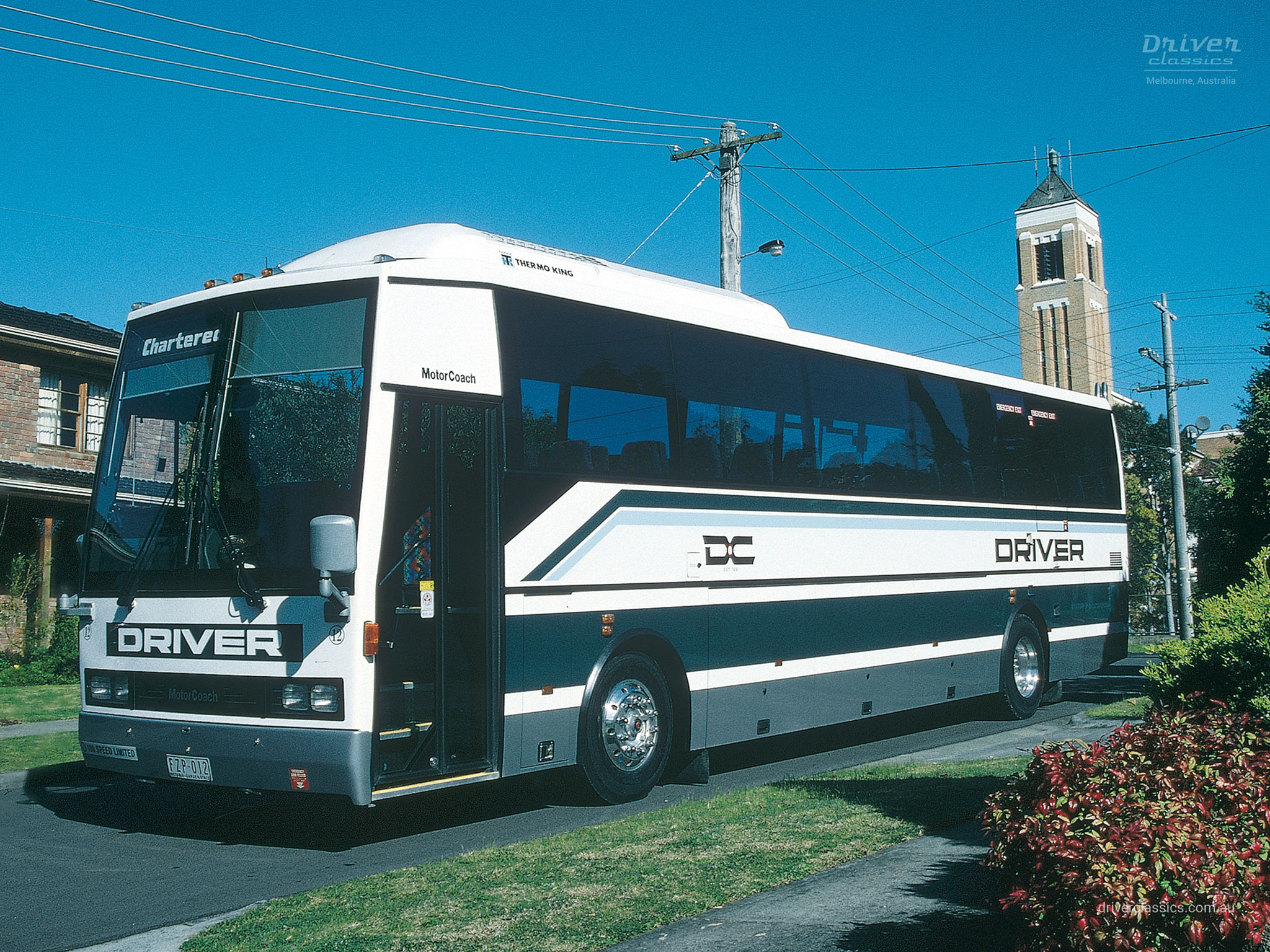
In February 1998 the Clipper Charter and Limousine division was sold to the Deane family, the original operators of Clipper Tours, but Gray Line Sightseeing was retained by Driver Group.
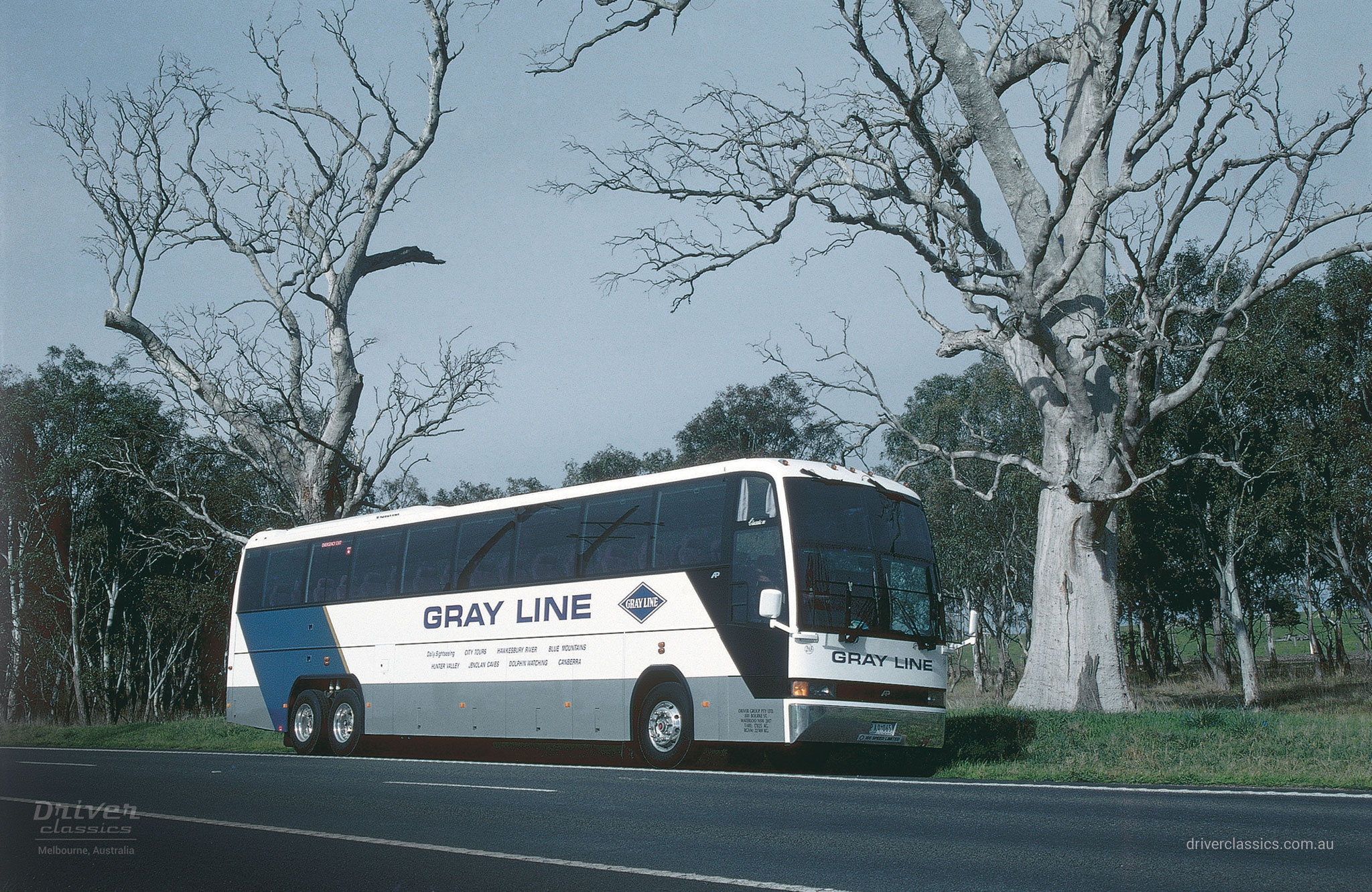
Bryan Williams, then Driver Group CEO became a minority partner with Driver Group in both Gray Line and Great Sights brands in Sydney while Driver Group supplied the vehicles from its fleet of Sydney based coaches.
2000-2009
Taking our Gray Line premium sightseeing national
In November 2000, Driver Group purchased a controlling interest in Gray Line Adelaide from the Gill family, along with minority partners Bryan Williams (CEO), Wayne Clift (Brisbane/Gold Coast) and Grant Burton (Adelaide Manager). A code share agreement was adopted with Adelaide Sightseeing while Coachlines of Australia initially became the coach supplier before Driver Group took over coach provision.
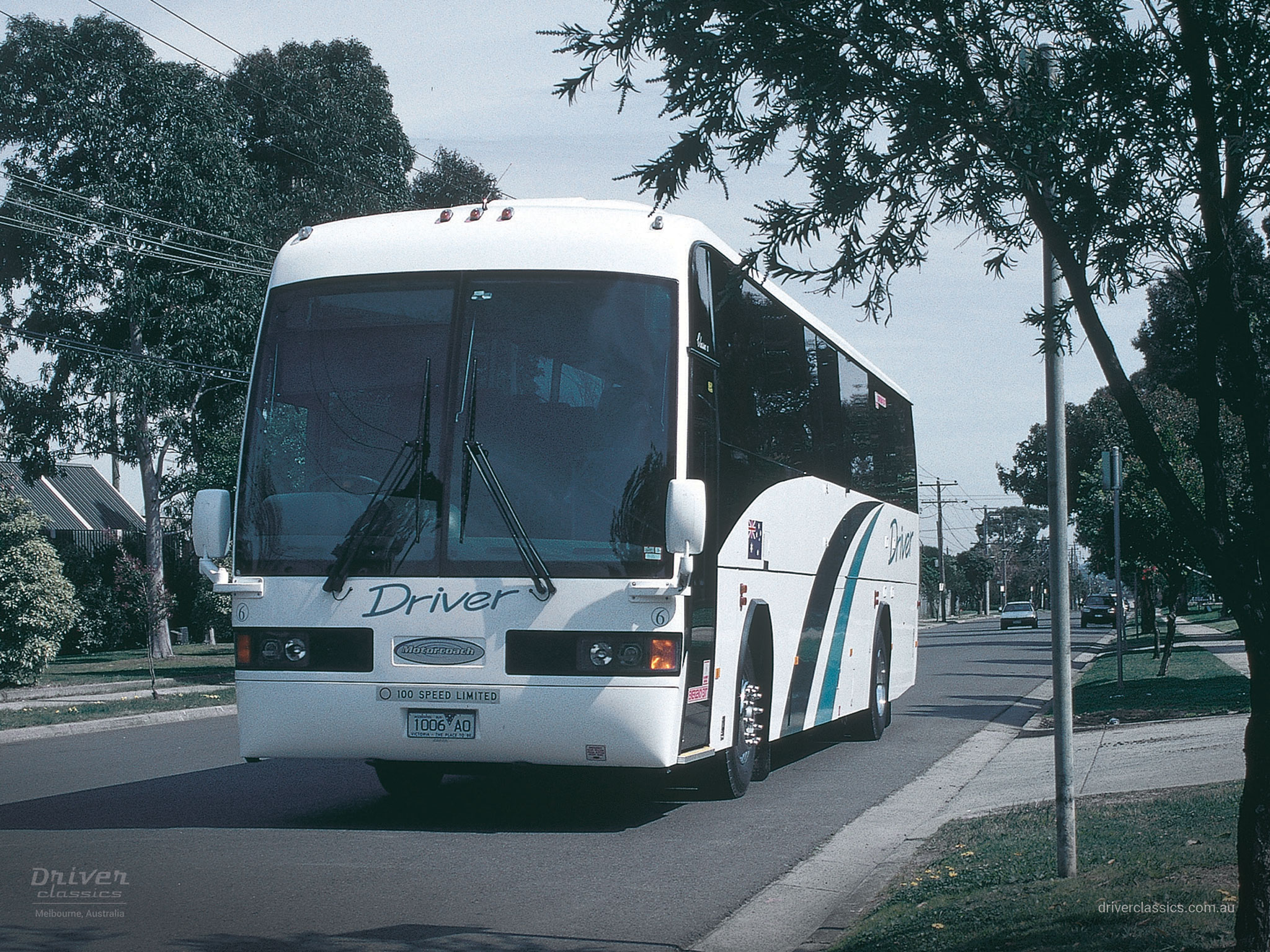
Driver Group and Bryan Williams established Pacific Sightseeing Services on March 28th 2001, as the holding company that would conduct sightseeing nationally outside the State of Victoria, with Victoria remaining 100% with the Driver family. The first venture was to establish Gray Line in Tasmania (registered as Tasmanian Sightseeing) on 9 May 2001 with Experience Tasmania as a minority partner and exclusive coach supplier.
Kelly Jane Driver, Gary Driver’s eldest child, joined Driver Bus Lines in July 2001working in Gray Line sightseeing’s sales, marketing and dispatch. Gary’s second child, Mark Merchant Driver joined the company in January 2004 starting out in maintenance, then moving into driving and operations. Glen James Driver, Gary’s third child commenced in April 2007 working in Gray Line sales, marketing and local and interstate dispatch offices.
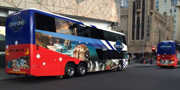
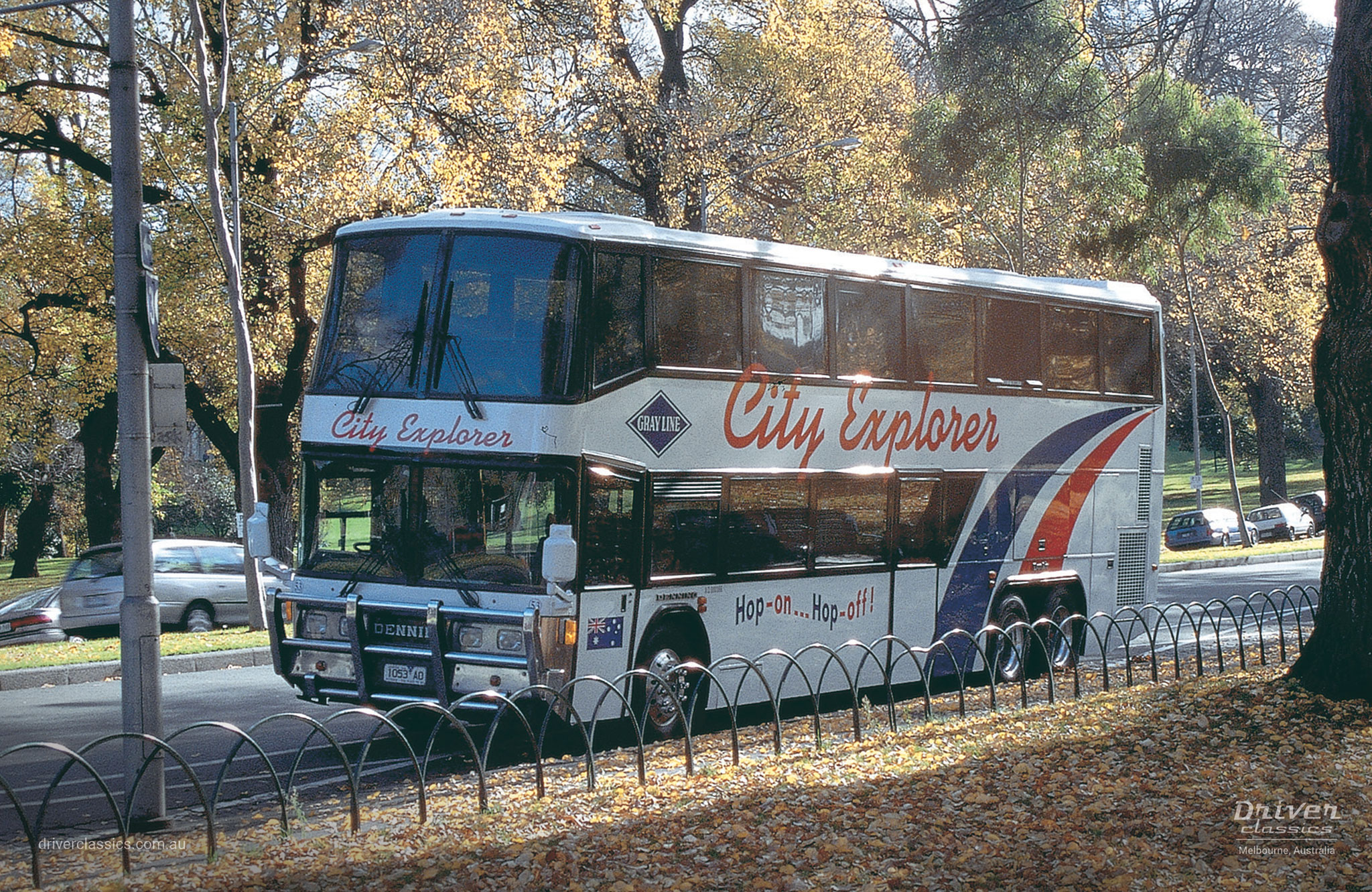
February 2002, saw Driver Group acquire the hop on, hop off Melbourne City Explorer service from London Transport soon to be rebranded as Gray Line City Explorer. Eventually two competitors emerged but in March 2006, the Melbourne City Council began offering a free hop on, hop off tourist service, with a short-term tender arrangement, making a commercial service difficult to say the least.
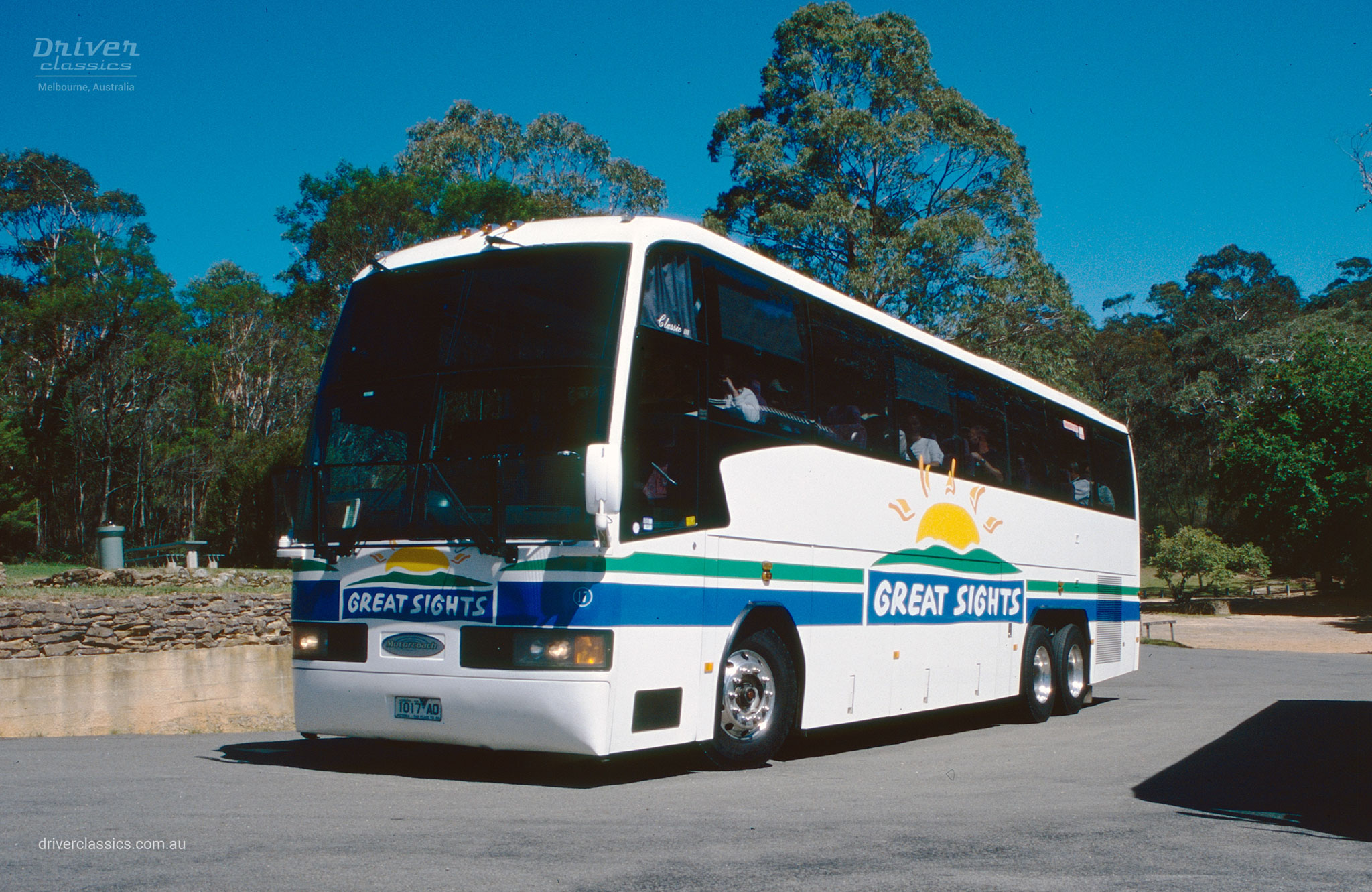
The Gray Line license for Cairns and the Great Barrier Reef was purchased from Charles Woodward of Tropic Wings in far North Queensland on January 16th 2003.
In June 2003, Driver Group re-acquired the shareholdings of Bryan Williams, Grant Burton and Wayne Clift and surrendered its shareholding in Bellara Forge, Brisbane/Gold Coast. Driver Group then had full ownership of all mainland Gray Line locations except Brisbane/Gold Coast that remained with the Clift family.
Pacific Sightseeing Services was renamed Driver Group Sightseeing on June 26th 2003 with full ownership now with the Driver family.
Great Sights was introduced to the Adelaide market during September 2003 to compete in a more price sensitive segment, with Gray Line remaining at the premium level.
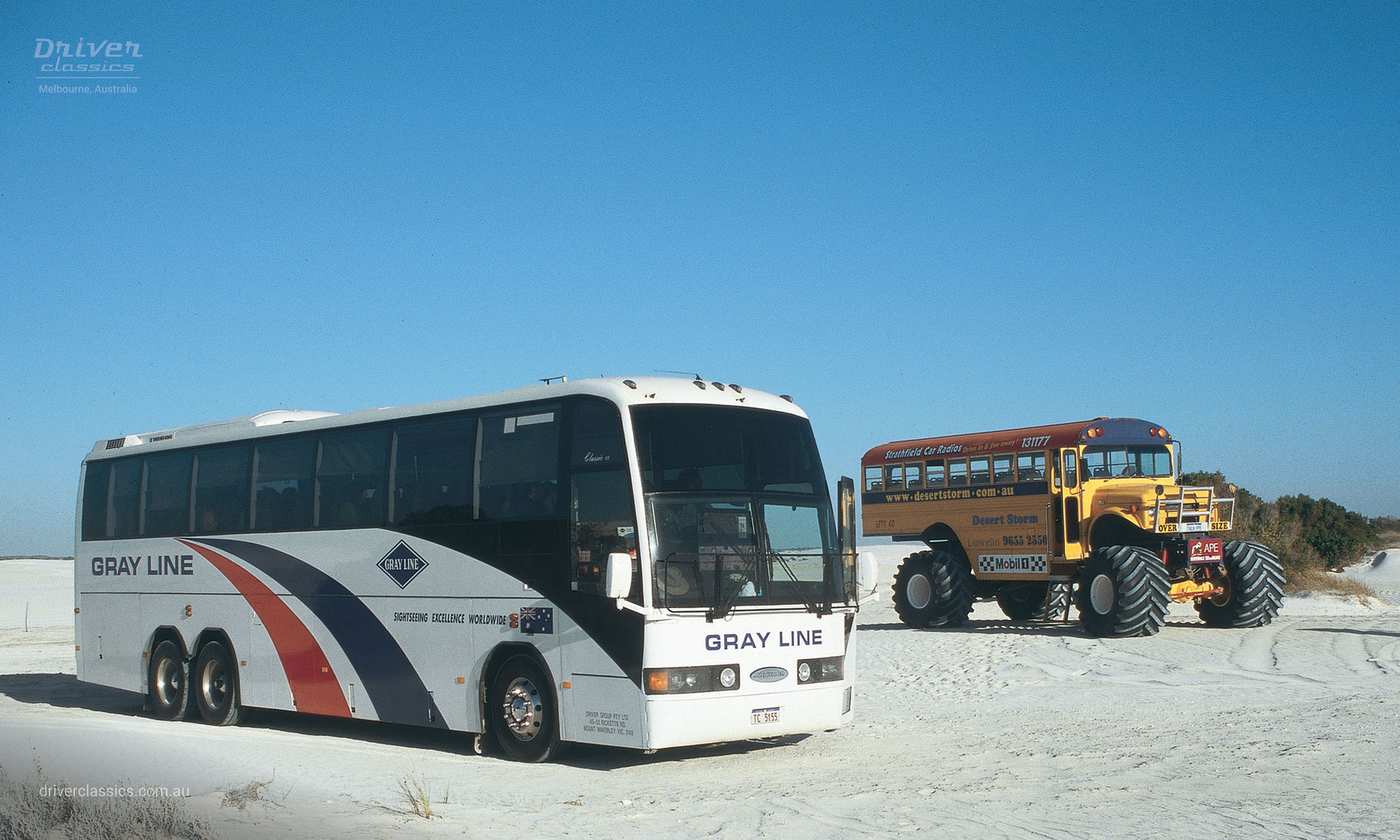
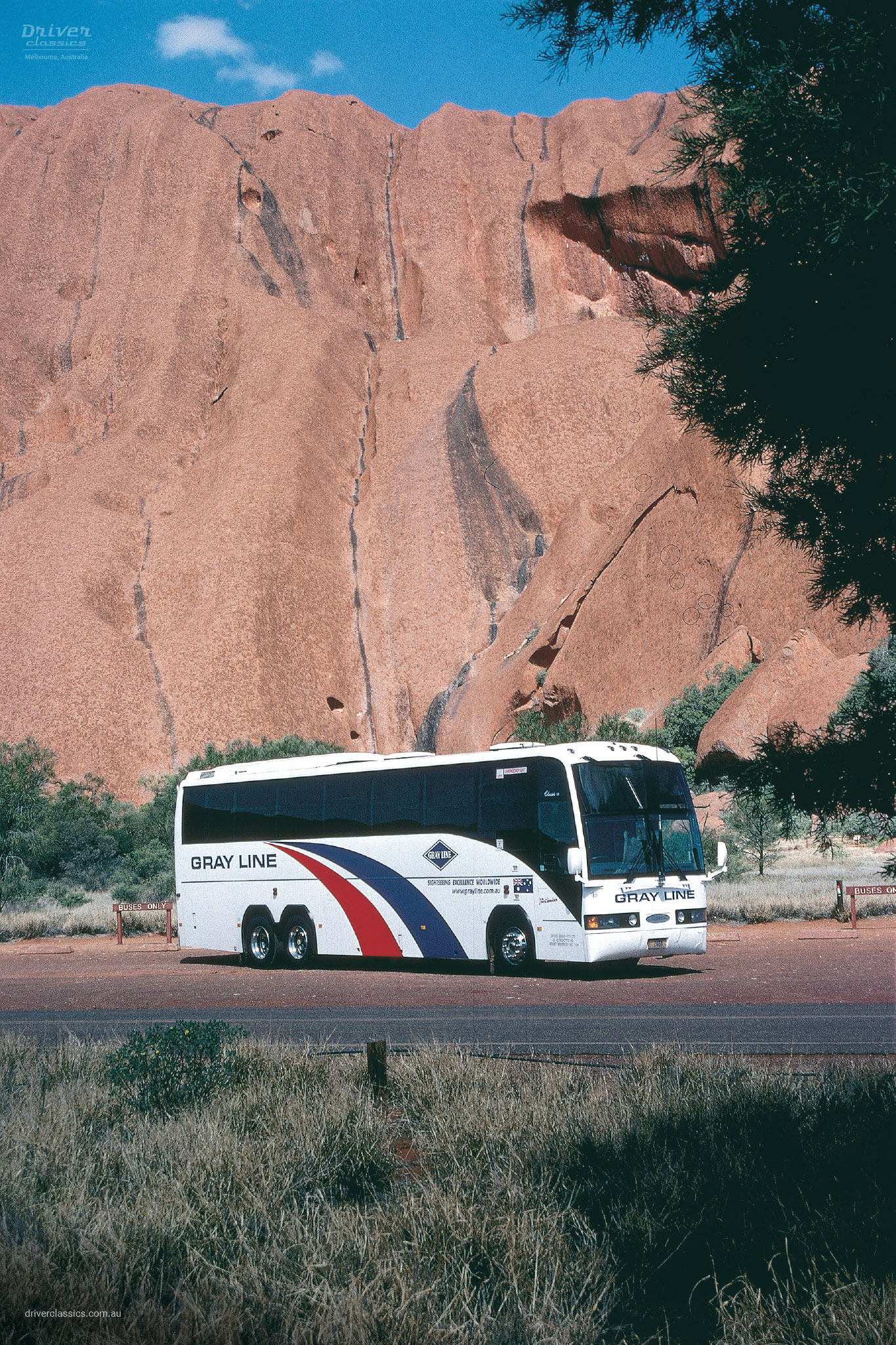
The roll out of Driver Group's national sightseeing network was significantly increased with the establishment of Gray Line in Perth during January 2004. No company was acquired and it was the first time Driver Group had started sightseeing in a city from scratch.
In May 2004 Driver Group launched a full Gray Line sightseeing program in Alice Springs featuring a signature full day tour to Uluru (Ayres Rock) from Alice Springs. Competitor Desert Wanderer's Uluru day tour operation and one coach was acquired from Austour as part of the Alice Springs program.
Driver Group set up a consortium in February 2005 with two partners and was successful in purchasing "Best of Australia Travel Centres", operator of "Best of Victoria” Federation Square, Melbourne's largest tourism retail outlet and “Best of the Outback” in Alice Springs NT. It would later become Australian Visitor Centres (AVC) with outlets in Melbourne, Sydney, Adelaide and Perth.
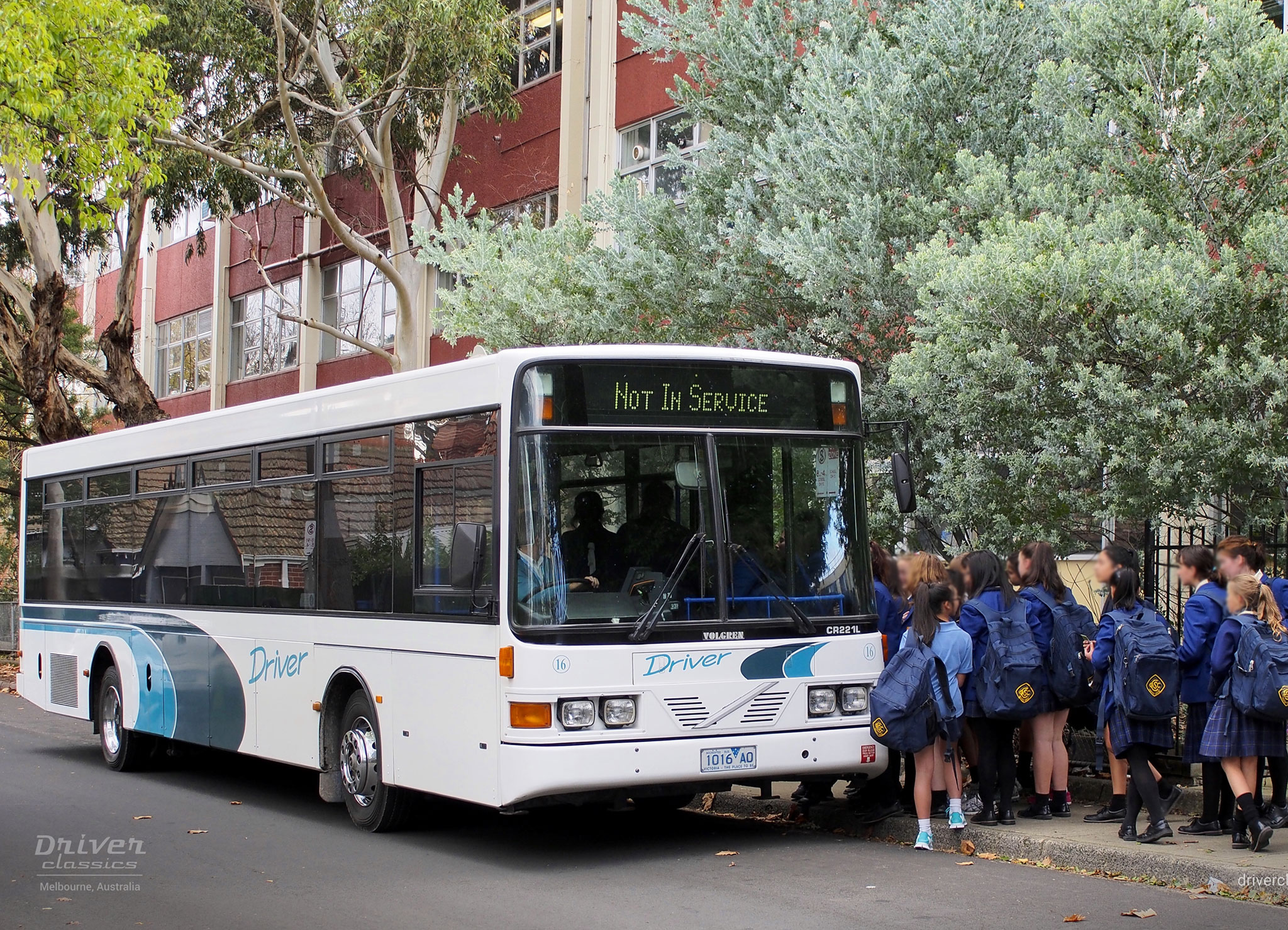
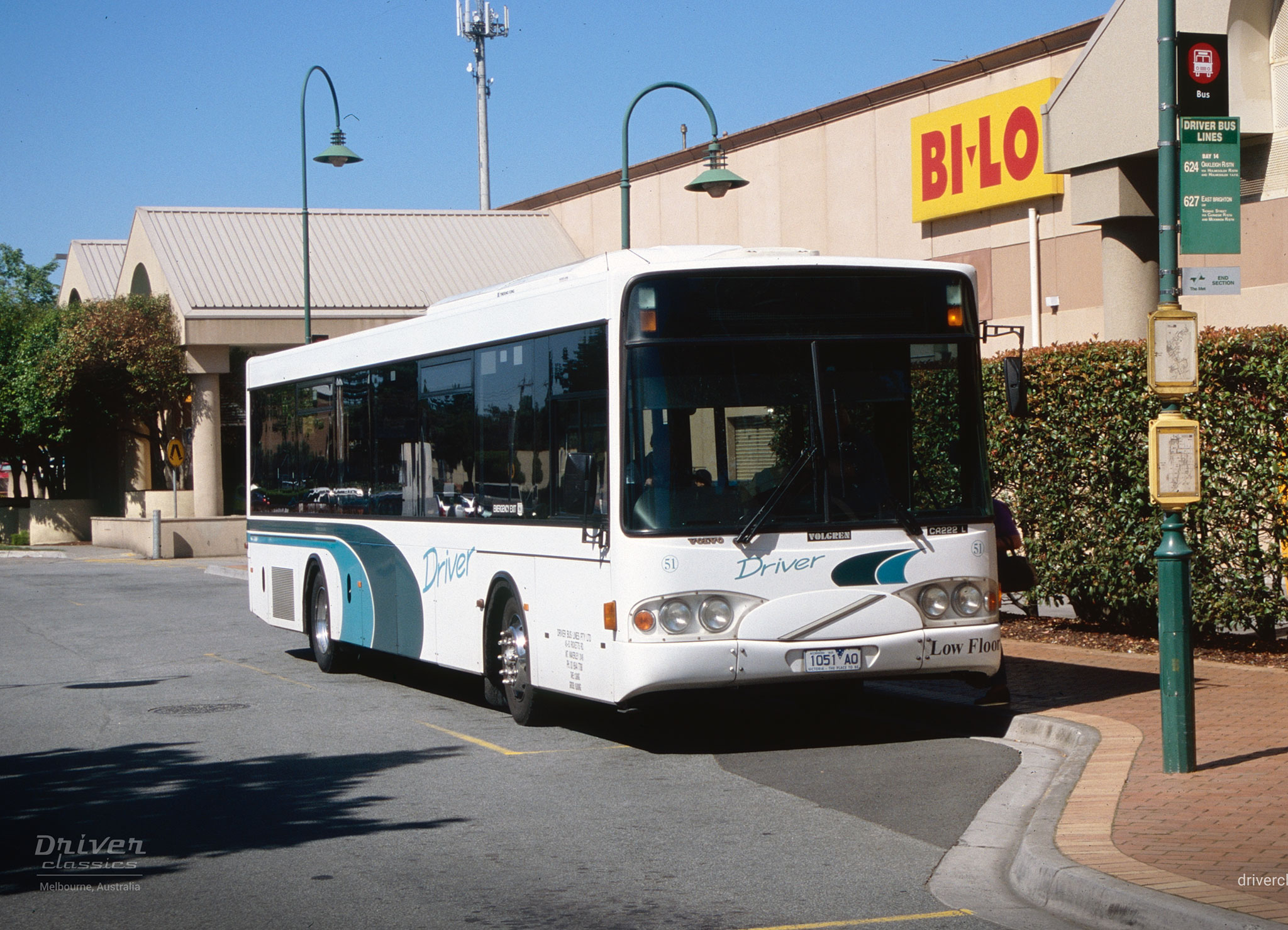
In November 2005, a full Gray Line sightseeing program was released for Darwin in the Northern Territory, working in conjunction with AAT Kings. Darwin was the final link in offering Australia's only complete national sightseeing network
Driver Group refocused its charter operations in 2006 and expanded into corporate charter and series charter (nationwide touring programs for wholesalers) using the premium Gray Line brand.
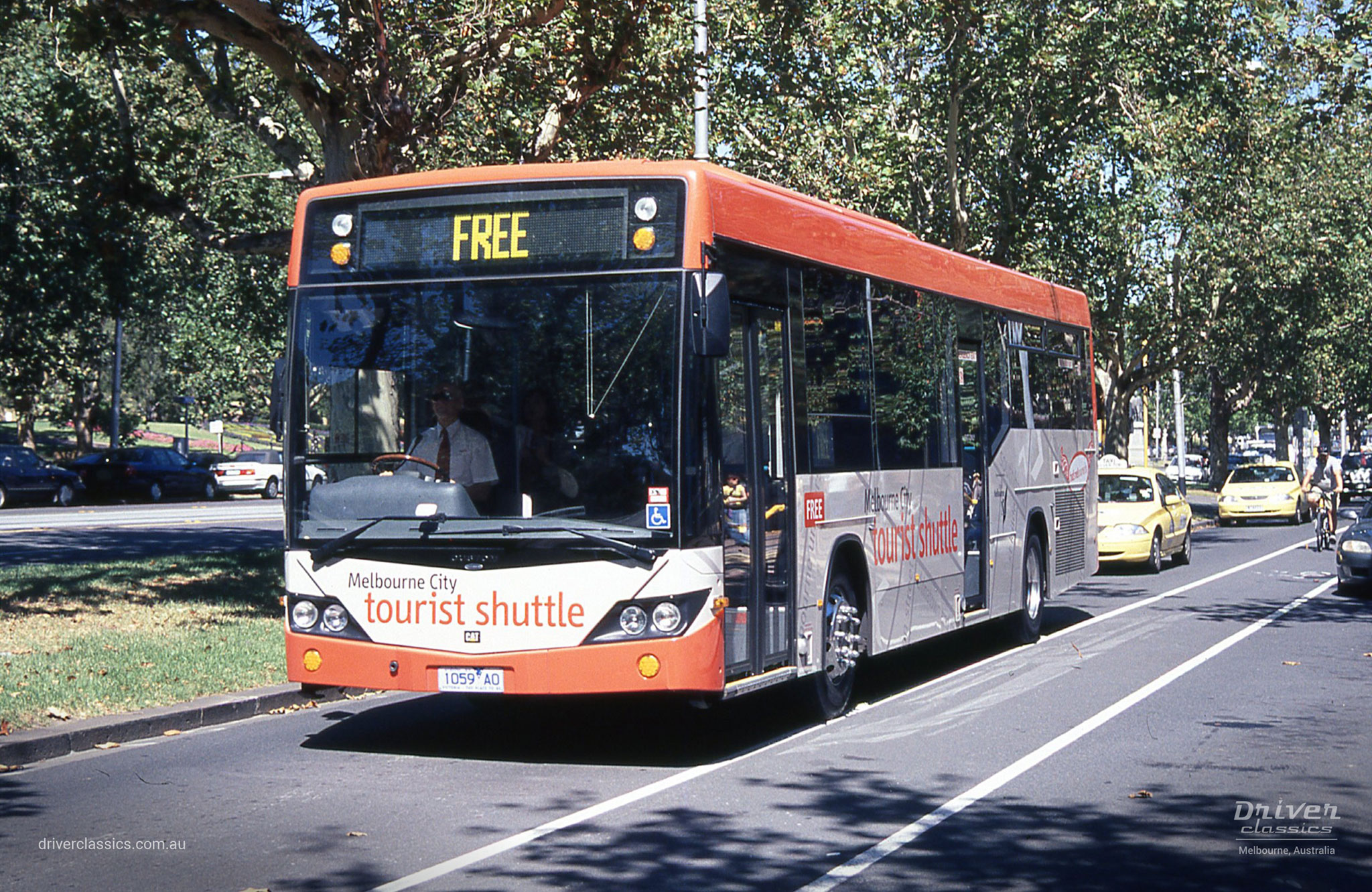
In mid-2007, Driver Bus Lines successfully won a long-term tender to provide a free Melbourne City Tourist Shuttle (Hop on, hop off service) on behalf of the Melbourne City Council. Driver Bus Lines secured two five-year terms until August 2017 when the Council abandoned the service.
At the October 2007 Gray Line Worldwide Conference and board meeting in Hawaii, USA, Gary Driver was appointed Chairman of the board of Gray Line Worldwide. This was the first time a non-North American board member was elected to chair the Gray Line board and it solidly demonstrated how US based Gray Line Worldwide was embracing a globally focussed outlook. A priority on Gary’s agenda was to establish an underpinning structure of how Gray Line Worldwide operates, based on the major regions of the world – Europe/Middle East/Africa, North America, Central/South America and Asia/Pacific.
In October 2008, Driver Group acquired the Gray Line license for Brisbane and the Gold Coast in Southern Queensland from Bellara Forge (Clift family) giving Driver Group 100% ownership of all mainland Gray Line licenses and a controlling interest in Tasmania.
The first location where Driver Group ‘sub-licensed’ its Gray Line brand to a third party was Katoomba in the Blue Mountains, New South Wales. Fantastic Aussie Tours would now provide Gray Line branded services in the Blue Mountains region under license to Driver Group.
Alice Wanderer from Alice Springs, Northern Territory owned by Craig Cotterill, Pinnacle Tours in Perth, Western Australia owned by TUI Group and Escape /Australian Day Tours in Brisbane/Gold Coast, Queensland owned by JPT also provided Gray Line branded services under sub-license from Driver Group during 2009.
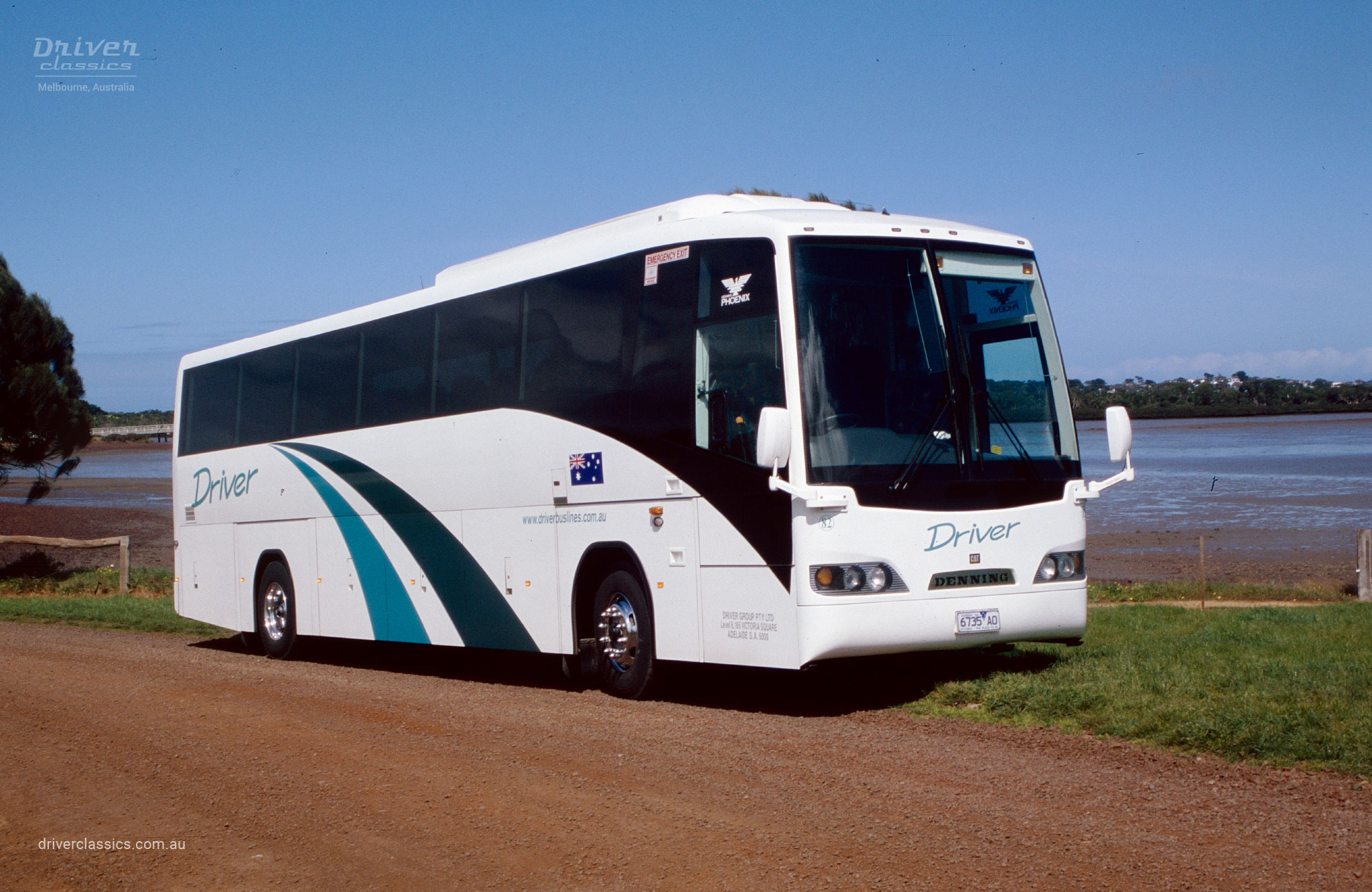
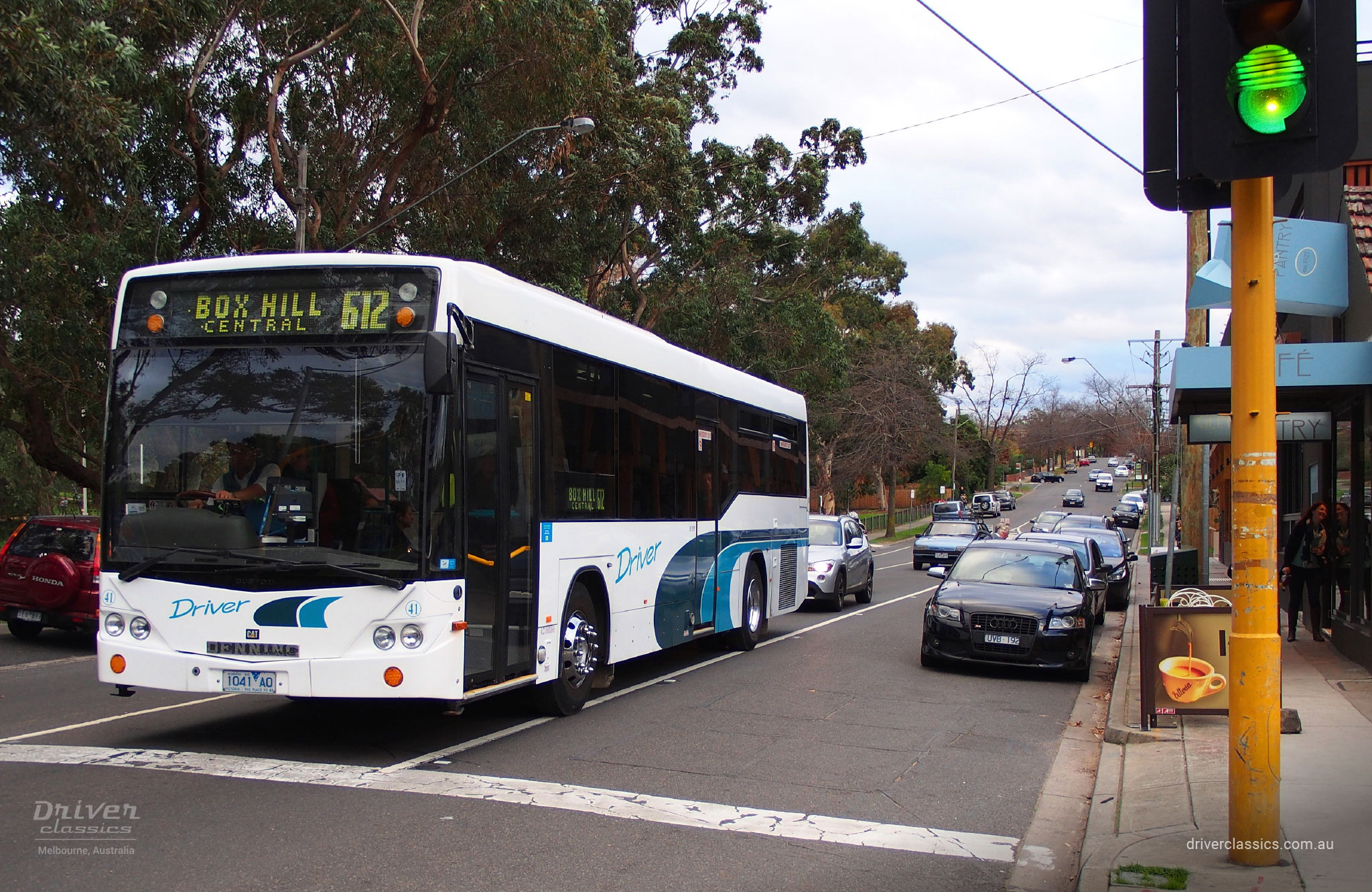
On June 30th 2009 Mark Merchant Driver, Gary’s second child who began full time in January 2004, became a director of Driver Group as Daryl Driver after 42 years of service, semi-retired.
In December 2009, Driver Group acquired a controlling interest in Holiday Special Packages (HSP) from the Anderson family, a domestic Adelaide based wholesaler and a large supplier to Gray Line. Administration was relocated from Adelaide to Driver Group in Melbourne and in 2011 DG acquired full ownership. HSP ceased operation in March 2014 due to changing consumer travel patterns.
2010-2019
A change in direction: route buses go and school buses grow
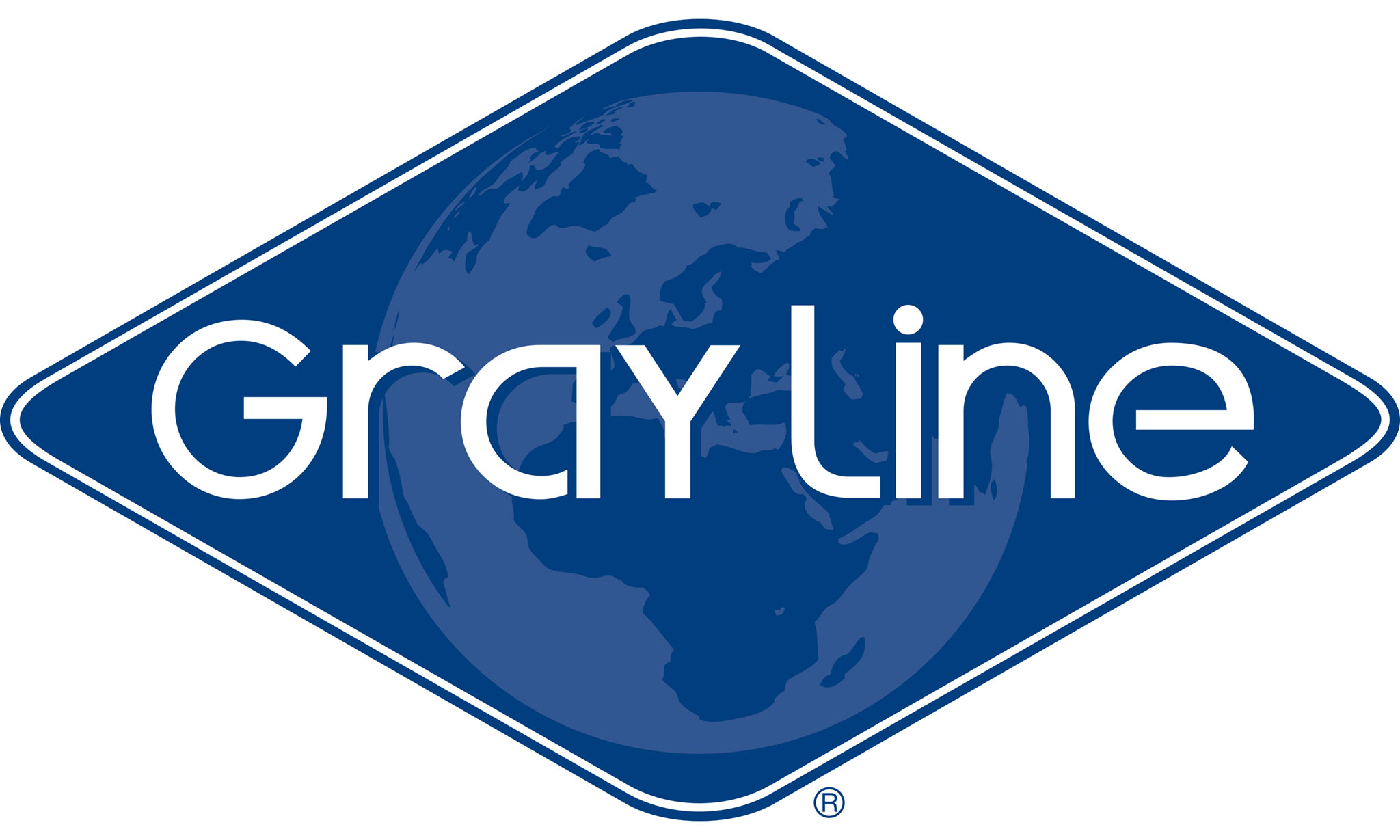
Gray Line Worldwide celebrated 100 years of sightseeing in 2010 and introduced an updated blue diamond logo emphasizing a global focus in a more contemporary design.
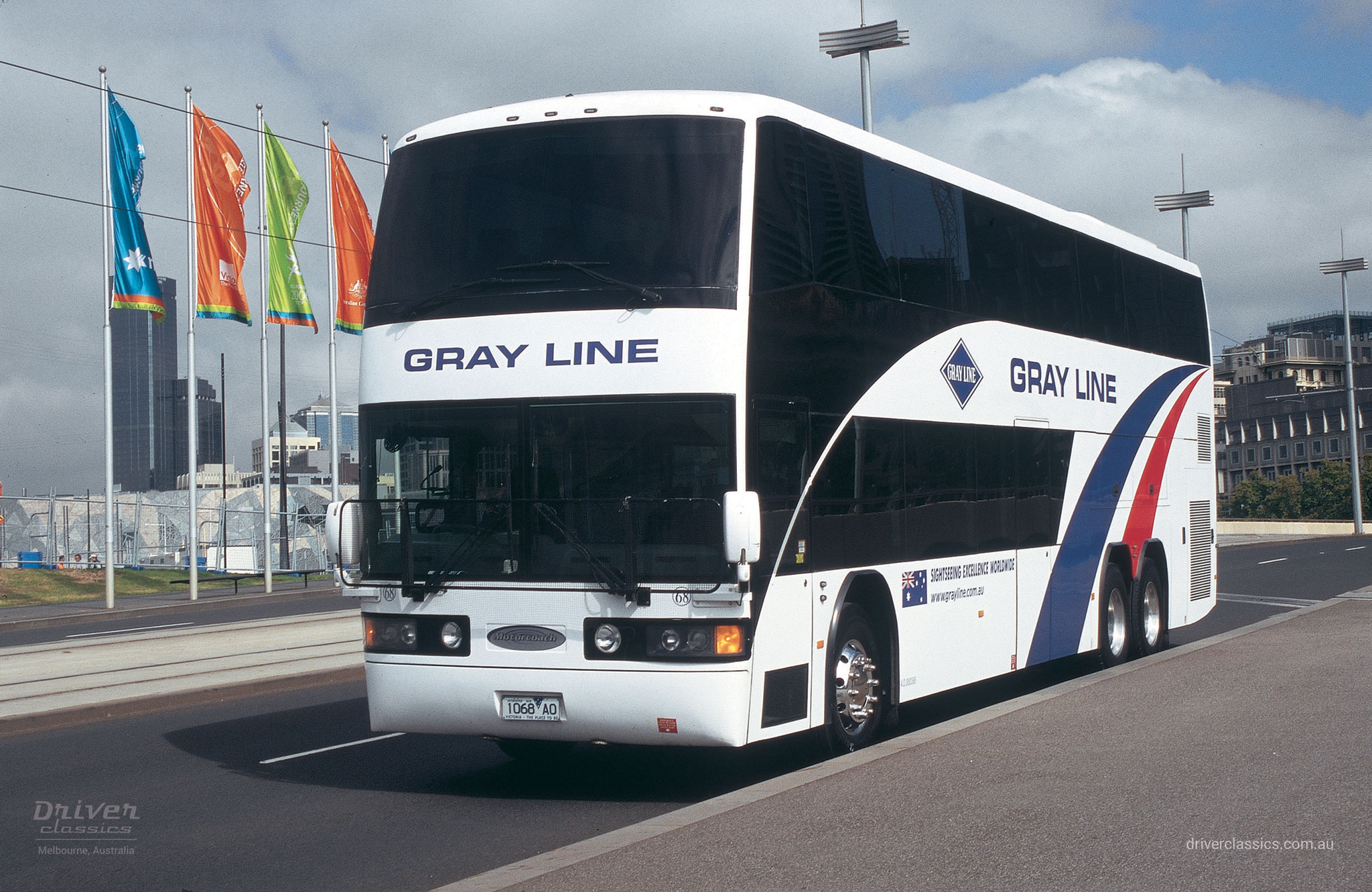
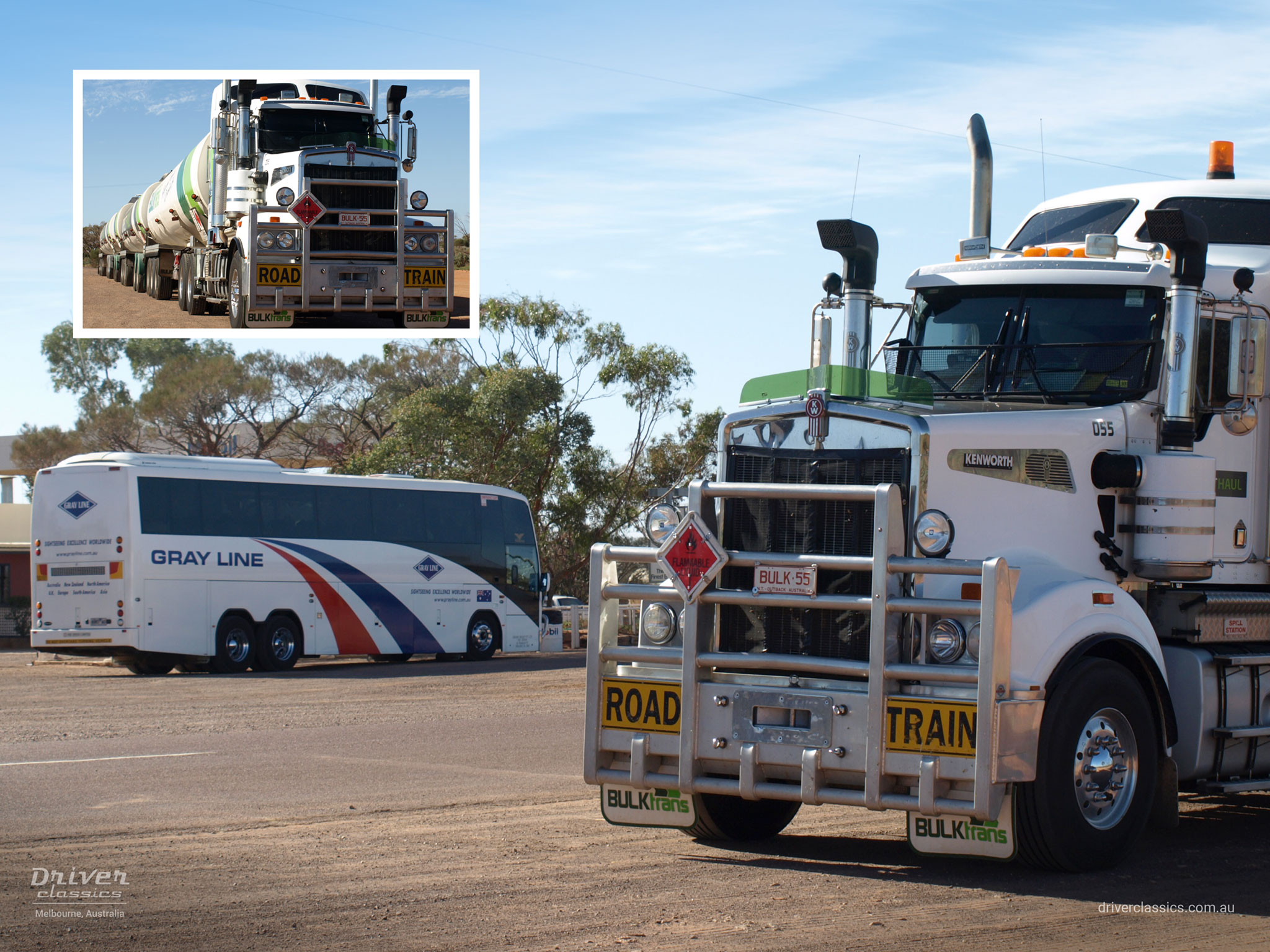
At the Gray Line Worldwide 100th anniversary conference held in New York during August 2010, Gray Line Australia, along with Gray Line New York and Gray Line Alaska, was honoured with the ‘100 years of Innovation’ award. "This award is at the pinnacle of all great honours in our industry. It recognizes the three companies that have most positively impacted Gray Line history. They are considered the best of the best. Considering we've been in business for over a century, this award is unparalleled." said Brad Weber, President and CEO of Gray Line Worldwide.
In September 2010, route 627 Oakleigh-Chadstone-McKinnon was divided into two new routes with an extension to Middle Brighton added requiring two additional buses. The new routes were route 625 Chadstone-Elsternwick via Oakleigh and Ormond and route 626 Chadstone-Middle Brighton via Carnegie and McKinnon.
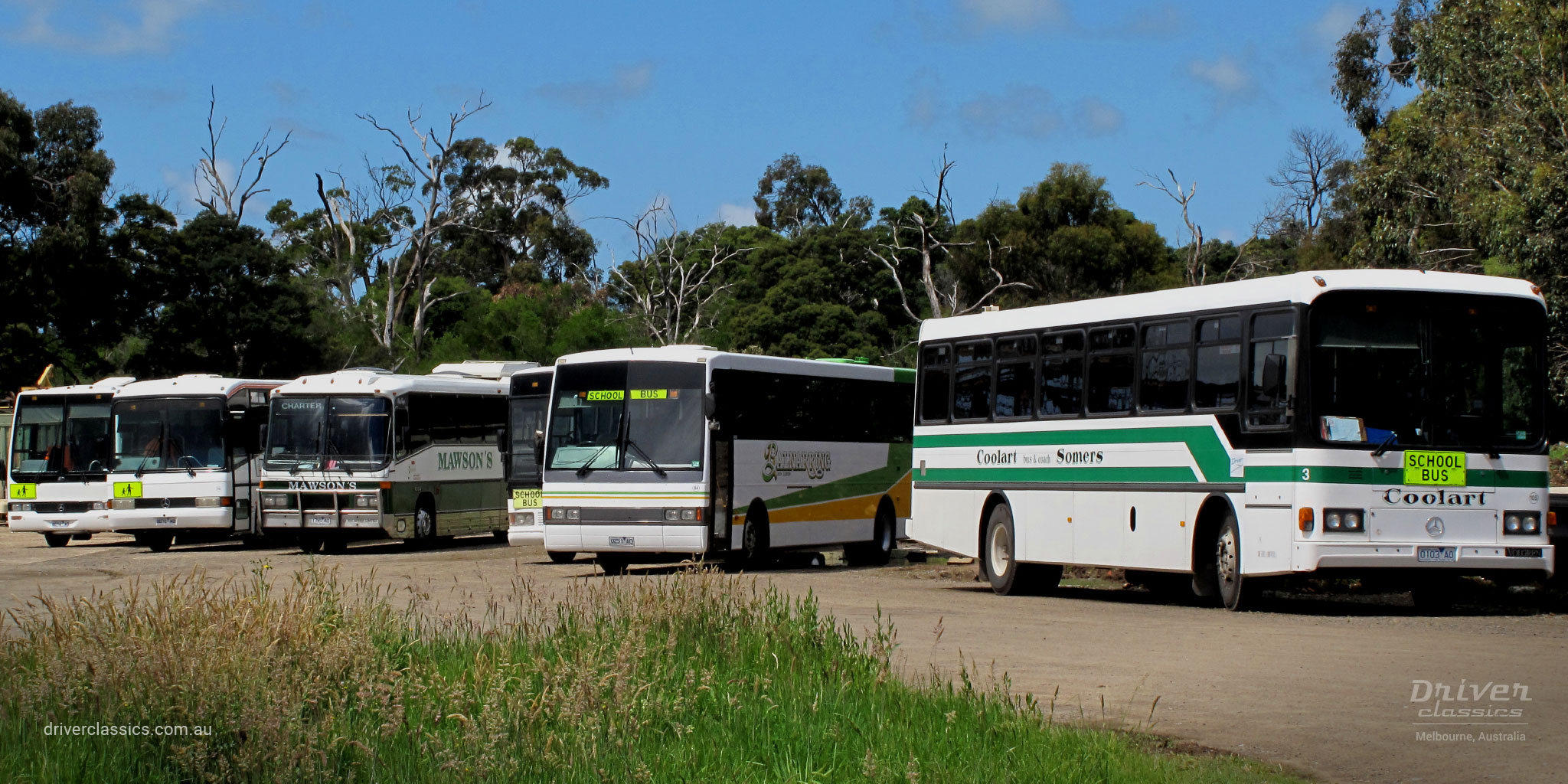
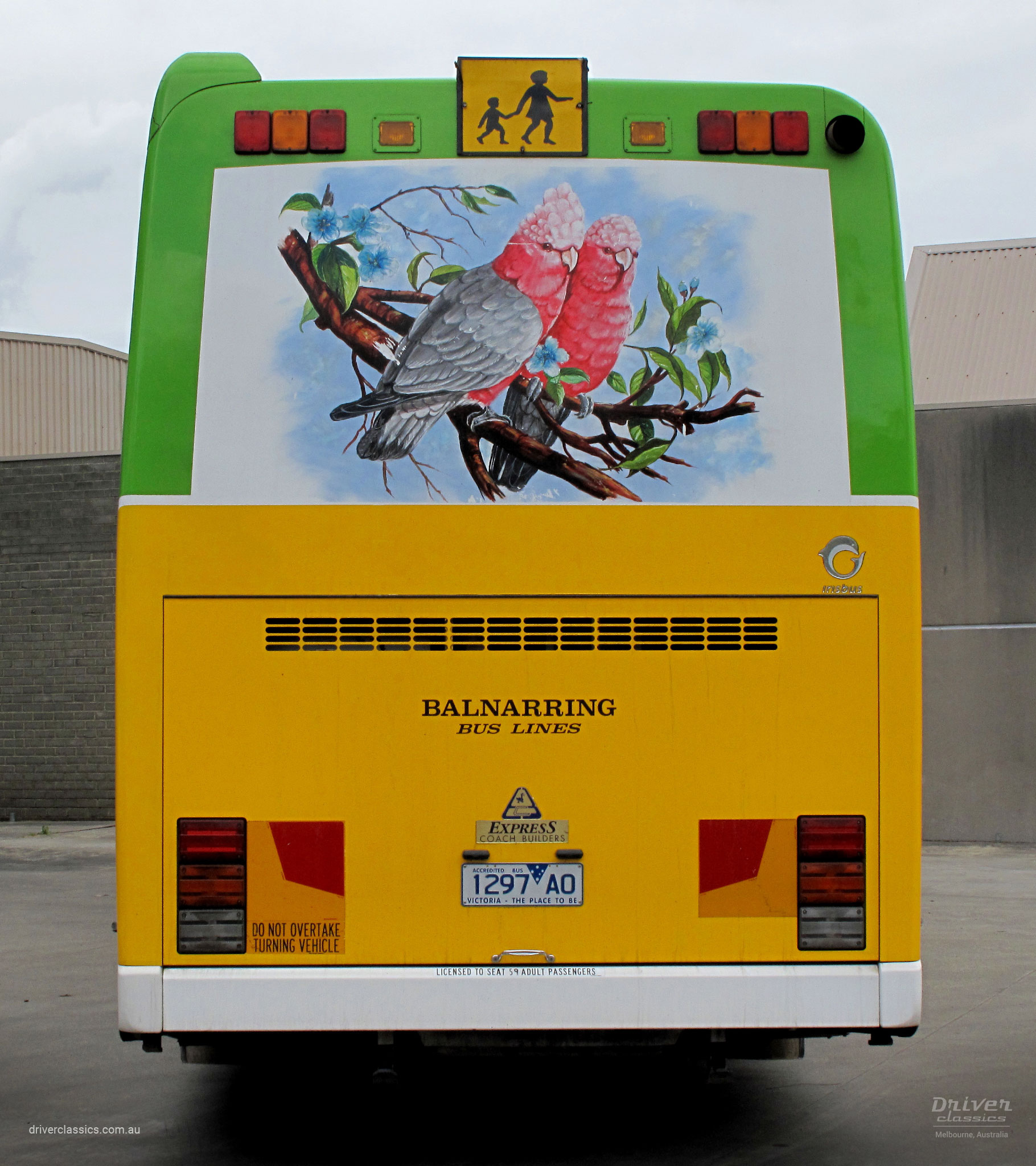
Driver Group made a substantial acquisition in October 2010, with the purchase of four school bus and charter operators on the Mornington Peninsula, southeast of Melbourne. In an era of industry consolidation, this regional acquisition would give Driver Group a greater footprint, bringing the fleet size to 120.
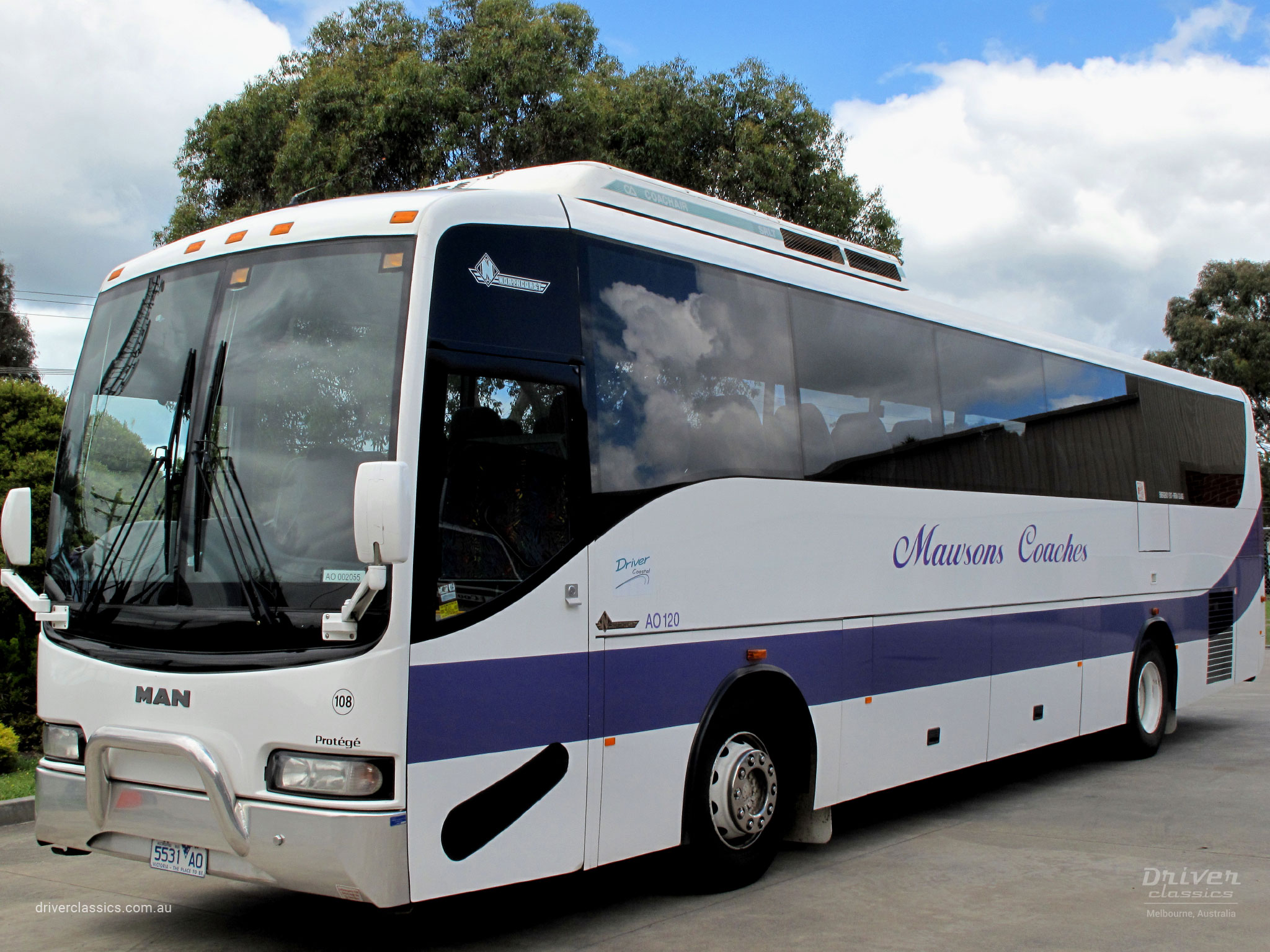
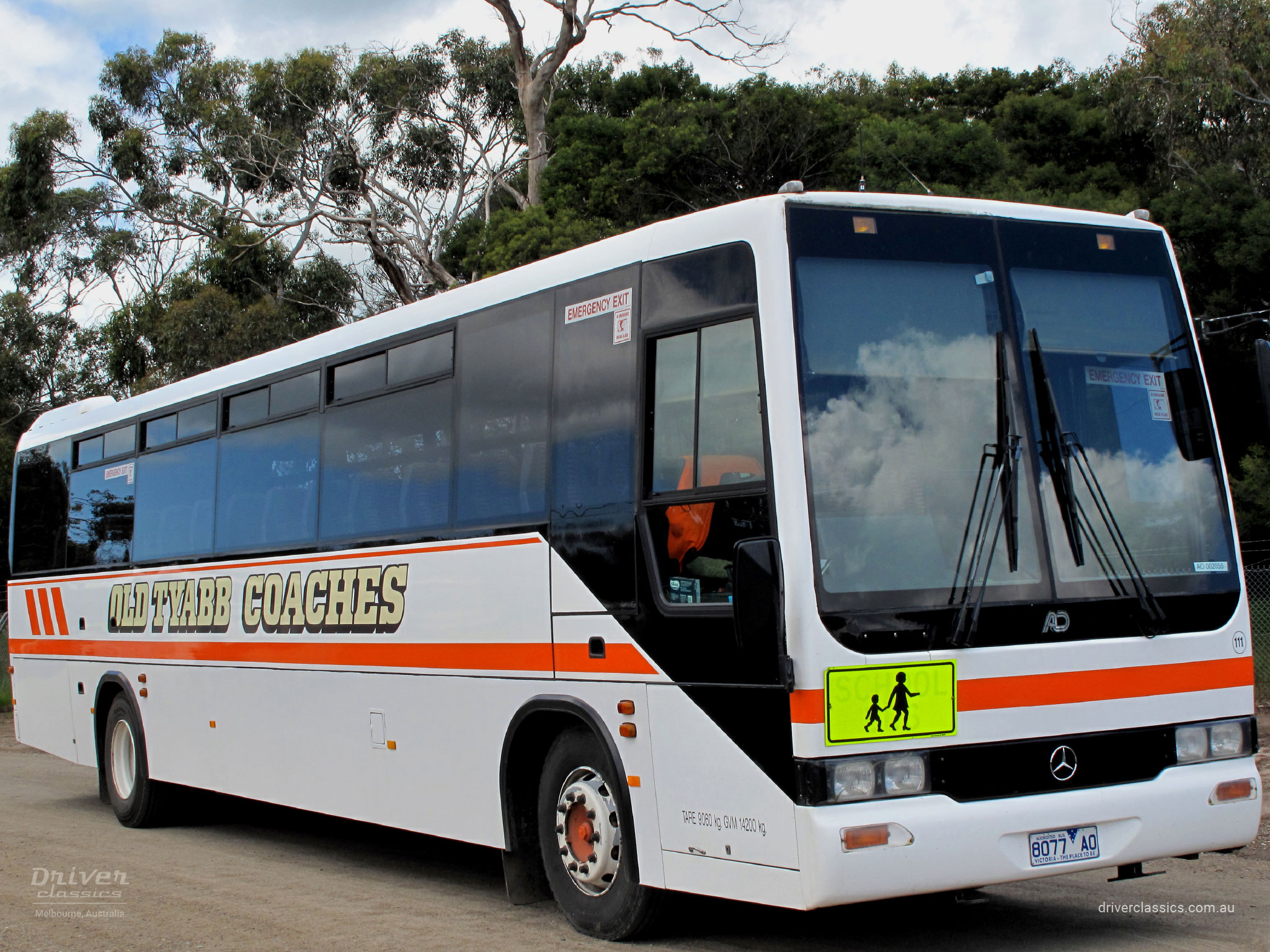
Companies acquired were Mawson's Coaches from Richard Mawson, Old Tyabb Coaches from Brian and Lynn Dobson, Balnarring Bus Lines from Allan and Anne Marie Alderson, and Coolart Bus and Coach from Brad and Kristine Johnston, with a total of 29 buses and 20 school contracts all coming together under the new Driver Coastal brand.
The Coolart Bus and Coach depot at 6B Bray Street, Hastings, originally built for around 10 buses with an office and workshop was later acquired to be developed and expanded over time to garage up to 100 buses. The first manager of Driver Coastal was Brad Johnstone ex Coolart Bus and Coach.
In November 2010, Driver Group sold the property at 108-110 Glen Iris Road, Glen Iris which had served as its primary depot and body shop since 1939, and around the same time expanded land holdings at Mt Waverley to include more bus parking and a new body shop.
June 30th 2013, saw Driver Group’s most significant event in its history take place – the sale of the route services on which it was founded. The Driver family believed the time was right to exit the route service (transit) business permanently.
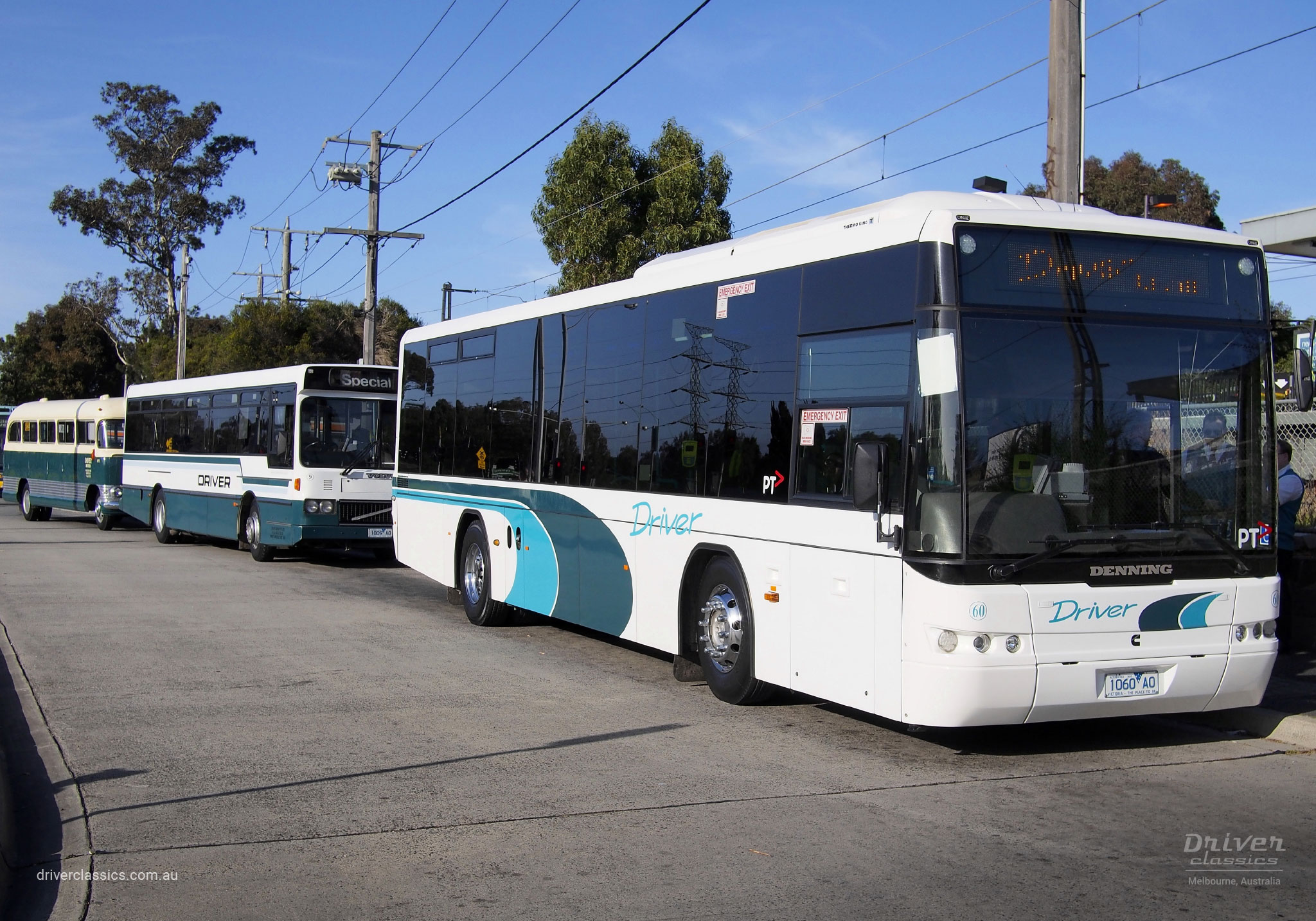
A new company, Driver Group Australia (DGA) replacing Driver Group, was established on July 1st 2013 to operate charter, tour, school and related assets that were retained after the sale of the route services. Mark Driver was appointed Managing Director and Gary Driver remained as a director and Daryl and Gary Driver as sole shareholders.
The purchaser of our five route services – 612, 623, 624, 625 and 626 and 42 route buses was ComfortDelgroCabcharge (CDC), a joint venture company between ComfortDelgro from Singapore and Cabcharge Australia.
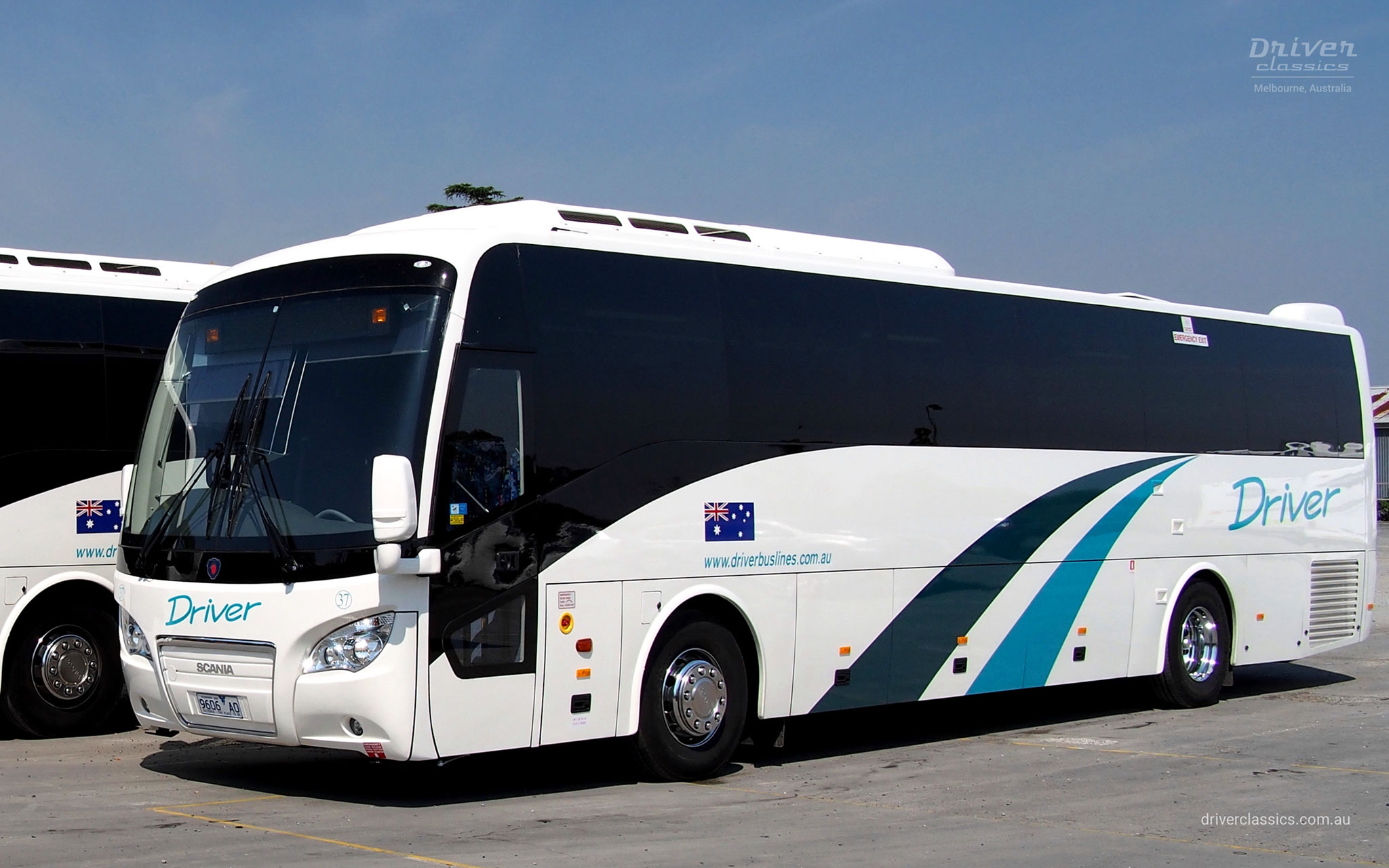
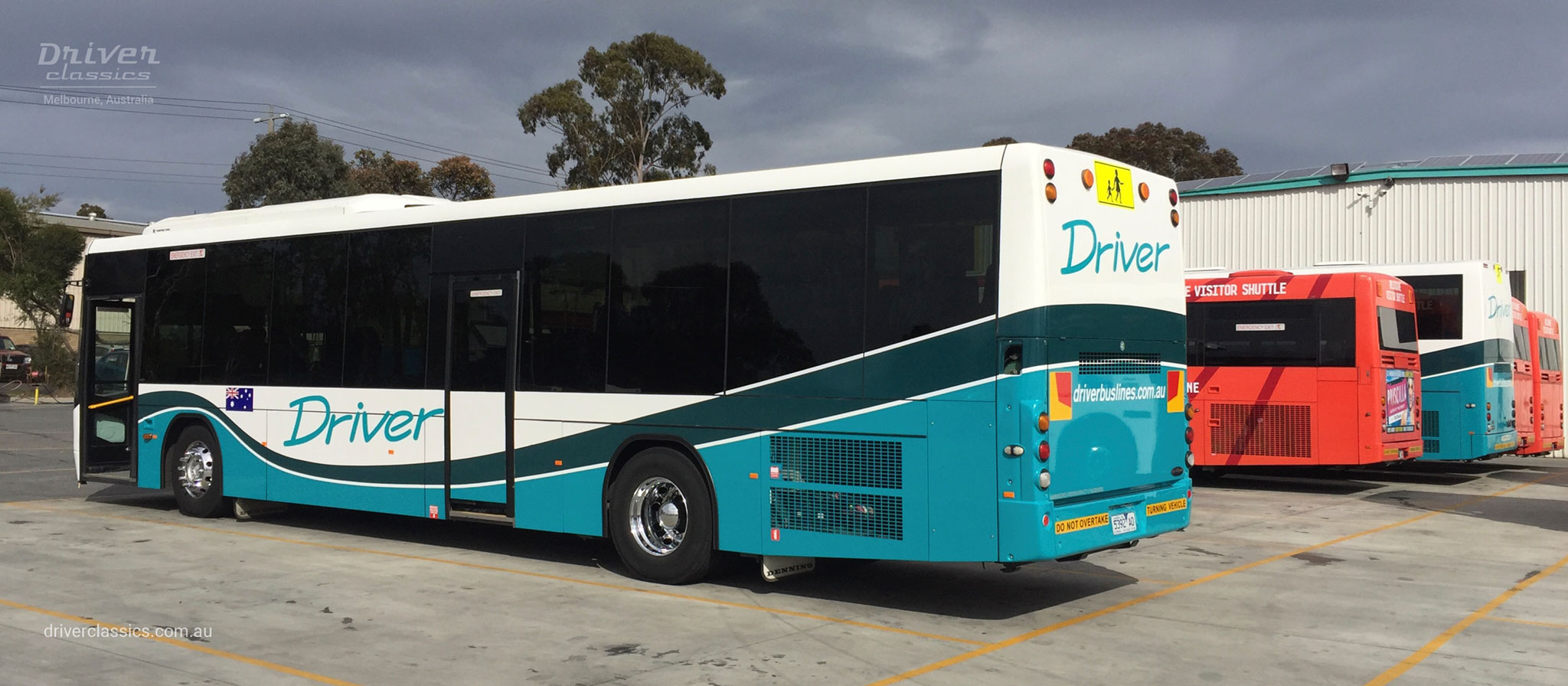
The sale of the route service meant additional vehicles were needed as soon as possible to cover commitments in Victoria. Coaches based interstate were relocated back to Melbourne and orders were placed with Denning and Scania/Higer to supply new additional vehicles.
During 2013, in conjunction with the interstate fleet returning to Melbourne, DGA appointed Richard Dawes (Australia Wide Coaches) to operate Gray Line Sydney and Grant Burton to operate Gray Line Adelaide on DGA’s behalf with five-year contracts. DGA retained full ownership of the businesses and provided support as required.
In October 2013, Gary Driver’s six-year chairmanship of Gray Line Worldwide reached its term limit, and Gary was made an honorary member of the board.
A trial hop on, hop off tourist service operating in conjunction with 6 prominent local tourism partners was launched on the Mornington Peninsula on November 1st 2014. However, the service failed to gain significant patronage and ceased operation shortly after on January 26th 2015.
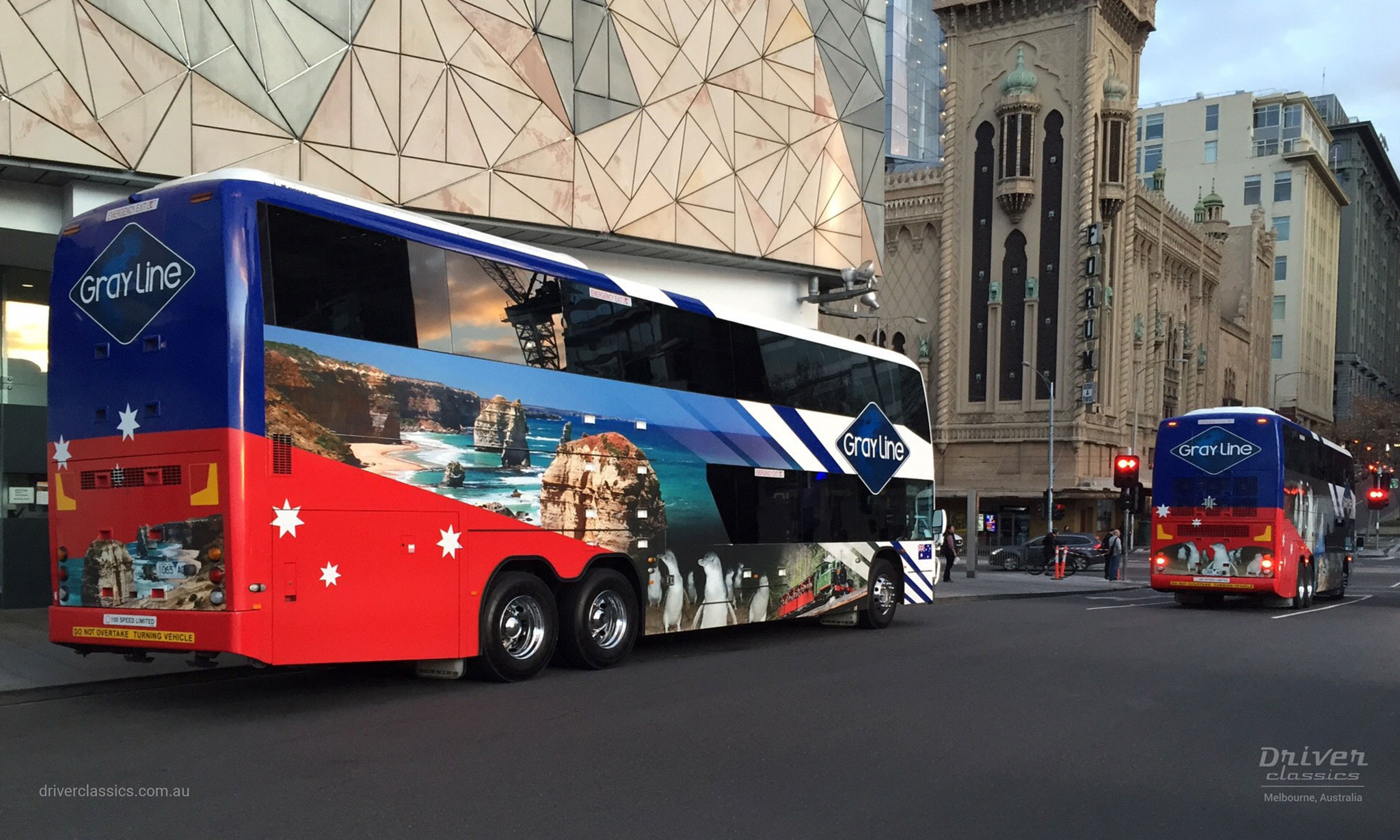
Driver Bus Lines was now securing additional school contracts in Melbourne and on the Mornington Peninsula, resulting in a number of bulk fleet purchases.
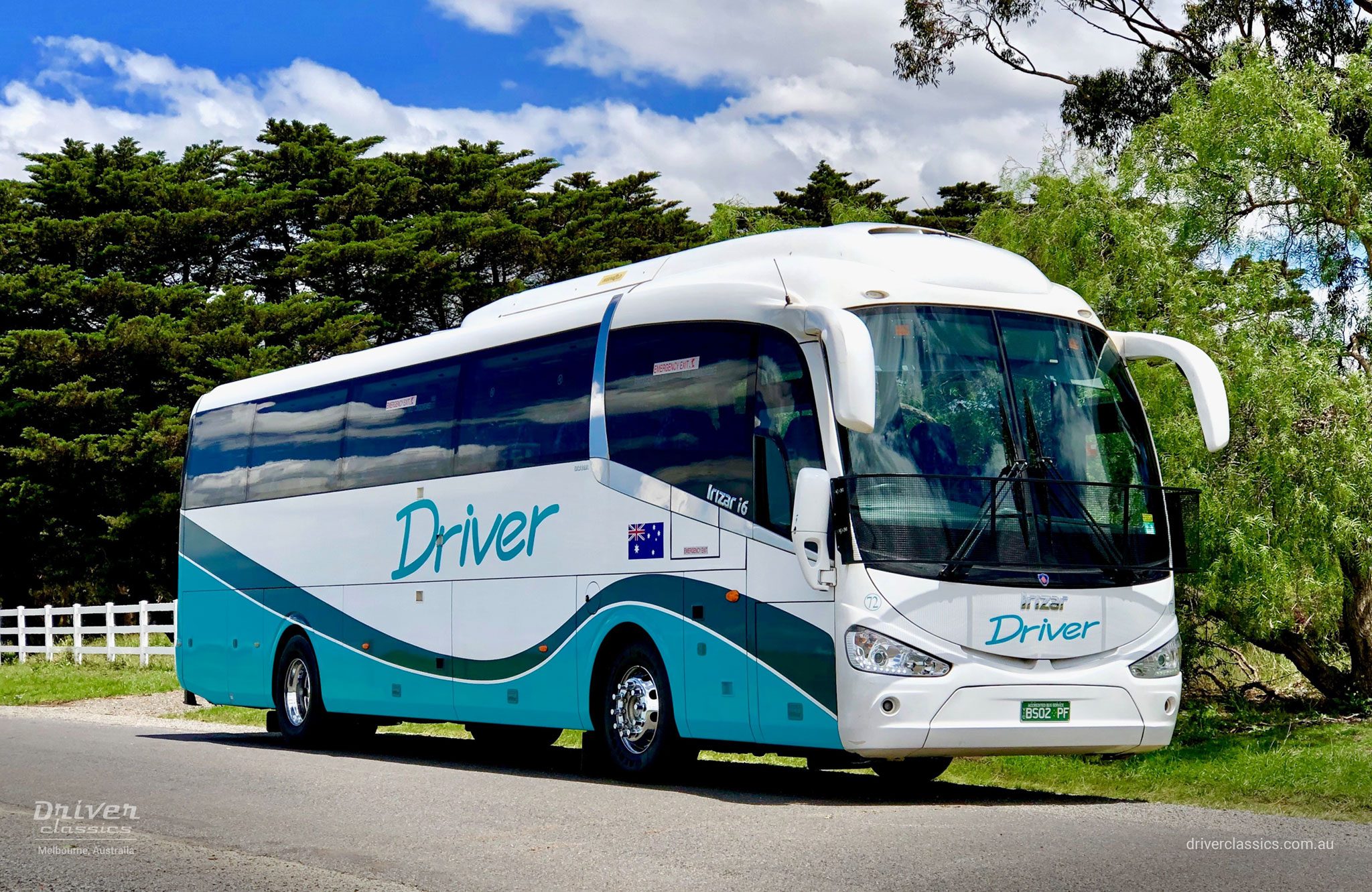
On December 1st 2017, Grant and Patrice Burton, operators of DGA’s Adelaide day tour business, retired resulting in DGA taking back full operation of Adelaide.
2018 saw Australian Visitor Centres (AVC) begin a planned progressive closure of its outlets. AVC Perth closed in July 2018 and with the AVC site at Federation Square, Australia’s largest retail tourism outlet being demolished as part of the Metro Line rail tunnel, it too was terminated in August 2018 along with AVC Melbourne Airport. AVC Adelaide Airport followed in early 2019.
In November 2019, DGA with a minority partner, set up Discover Melbourne, a new tourist retail outlet on Little Collins Street at the corner of Swanston Street, diagonally across from the Melbourne Town Hall information centre.
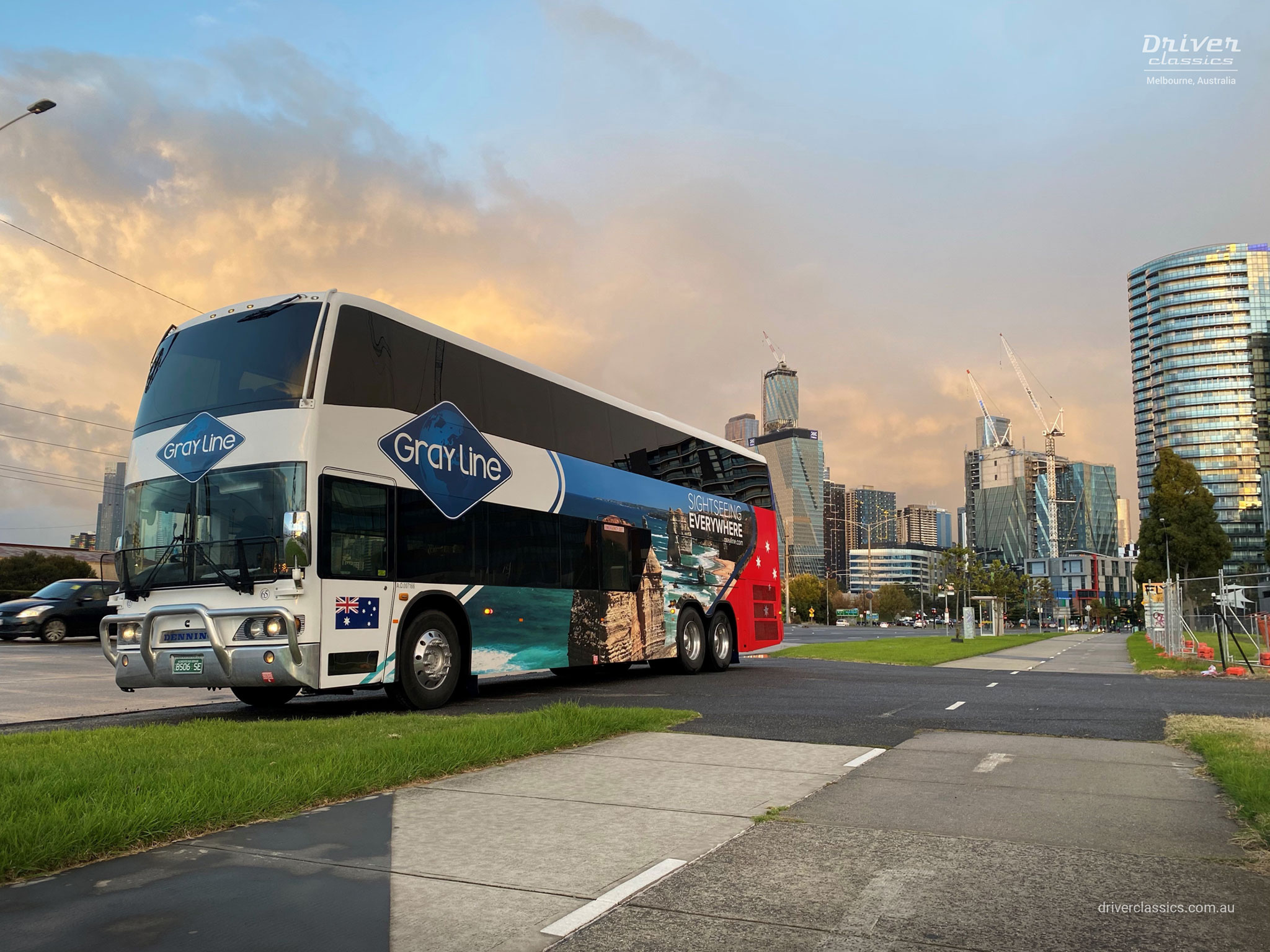
2020 Onwards
Adapting to a changing market with a new focus
With the dawn of a new decade, our business was hit hard, first with bush fires in southeast Australia and then the Covid19 pandemic.
National border closures in March 2020 and constant lockdowns saw our sightseeing day tour business go into hibernation but 2021 began to show signs of promise with at least charter and school services resuming but not sightseeing. The recently opened Discover Melbourne tourist retail outlet was permanently shut down in March 2022.
Sightseeing re-opened in Melbourne only on December 9th 2022, but international visitor numbers to Melbourne had been decimated. One year later, with visitor numbers predicted not to improve anytime soon, the decision was made to shut down all sightseeing permanently on November 22nd 2023, after 34 years of Driver family operation and to re-focus and expand our core business of charter and school services.
In July 2024, DGA began developing a new satellite bus depot for up to 20 buses at 11 Colchester Road, Rosebud West (Capel Sound) on the Mornington Peninsula.
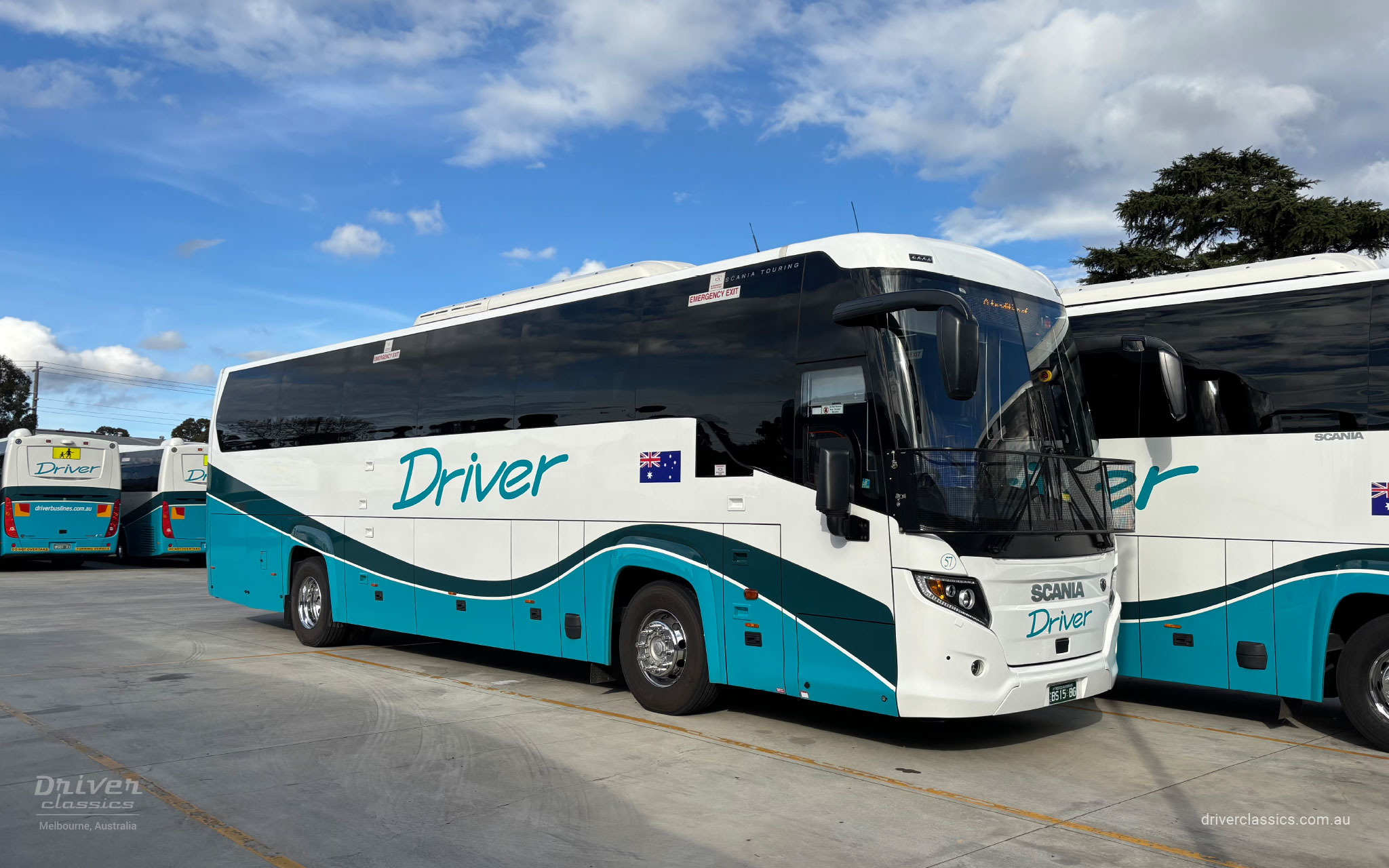
Following a short trial in early 2025, by June of 2025, DGA had begun operating Driver Gippsland with a small number of coaches relocated from Mt Waverley to Victoria’s Gippsland region, east of Melbourne to meet potential demand, primarily from V-Line on rail replacement services.
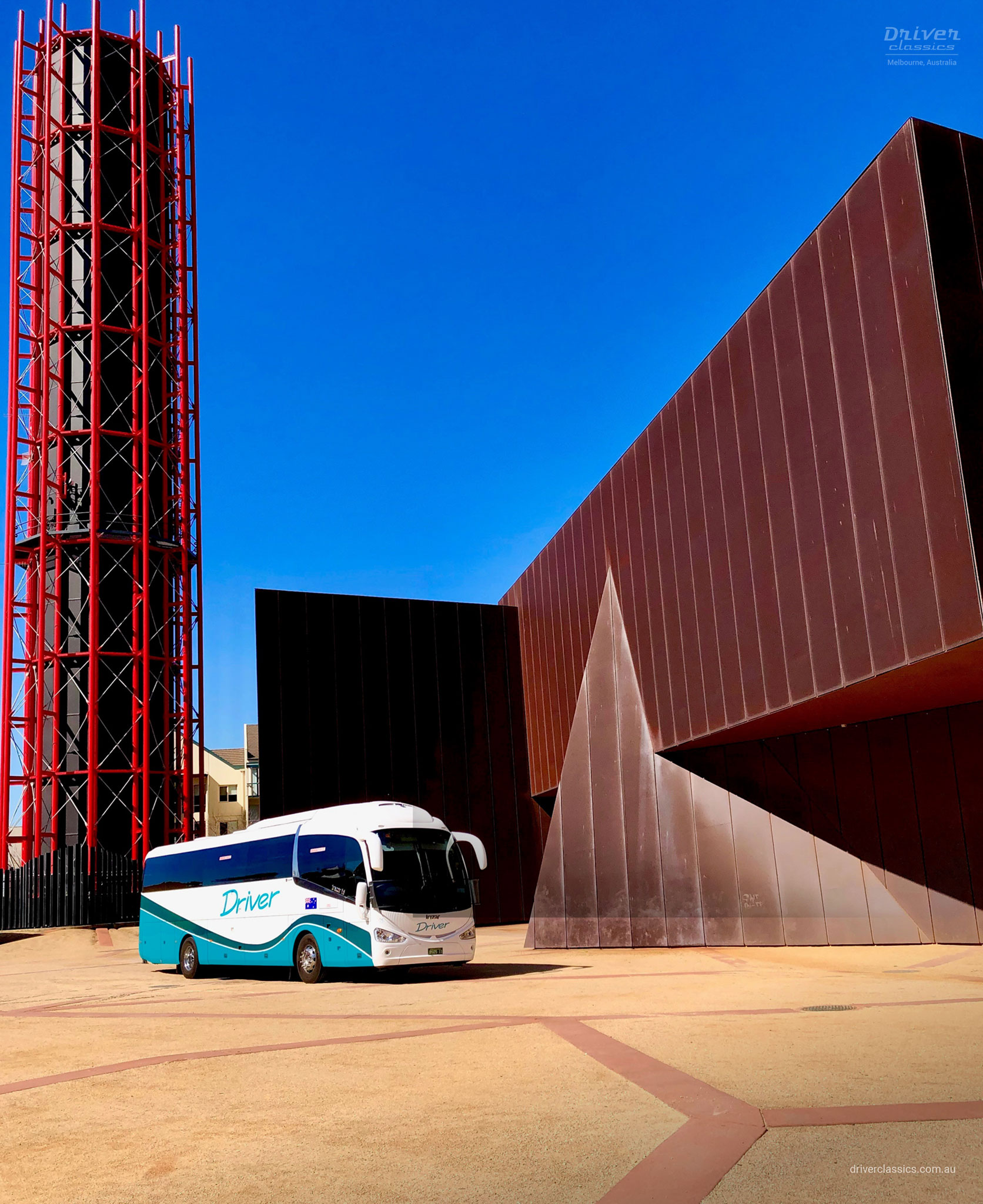
DGA has been trading successfully since 1931 and today operates a fleet of 150 charter coaches and buses with an additional 19 vehicles in our Driver Classics heritage fleet. DGA has bus depots in Mt Waverley, Hastings and Rosebud West. The current preferred coach brand is Scania (Sweden) with an Irizar body (Brazil/Spain) or Higer body (China) and for minibuses, the Fuso Rosa (Japan).
Driver Group Australia has built an enviable reputation for service and quality in all aspects of operation. Driver Group Australia plans to remain family owned and to strengthen operating areas as and when required. The second and third generations of the Driver family are continuing to build on the strong foundations, goals and principles of the founding Driver Brothers.