Driver Bus Lines
Company History
Brief Version
1917-1929
The early years at Grant Brothers
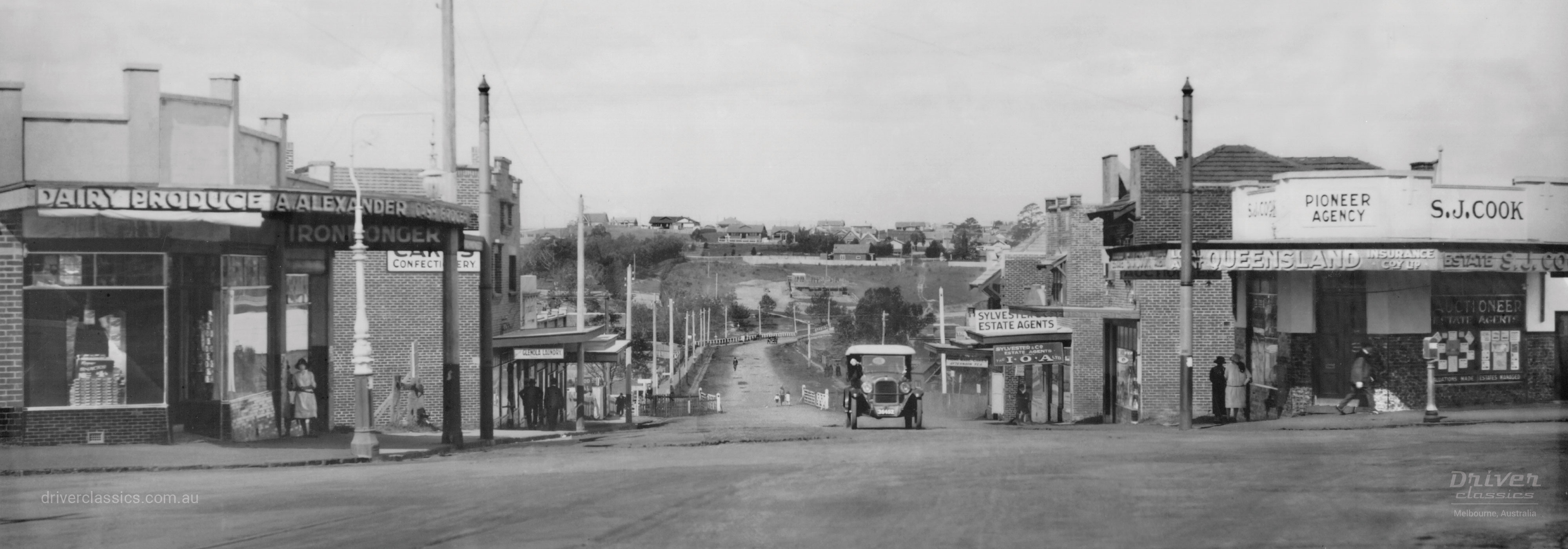
- In 1917 and 1920, brothers Eric and Reginald Driver respectively, began working for their father Arthur Reginald Driver, at Grant Brothers Coach and Motor Body Builders at 105 Station Street, Malvern
- Their mother, Florence Mary Driver was a property developer and had recently purchased Grant Brothers
- In time, Eric and Reg began to manage Grant Brothers
- Arthur Reginald Driver was reluctant to give his sons full decision-making authority
- Eric and Reg decided to consider other business opportunities
- Their sister Doris, who was a bookkeeper, suggested passenger transport could be lucrative
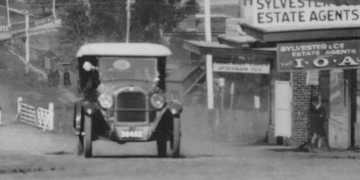
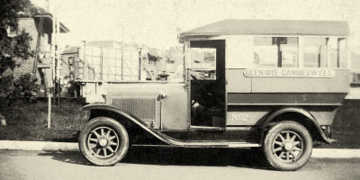
- In 1930, Driver Brothers purchased two 1930 Pontiac 29-6 chassis with their mother helping with finance
- The brothers, with their father assisting, worked evenings to build 7 passenger motor cab bodies on the Pontiacs
1930-1939
Two men with determination and a vision
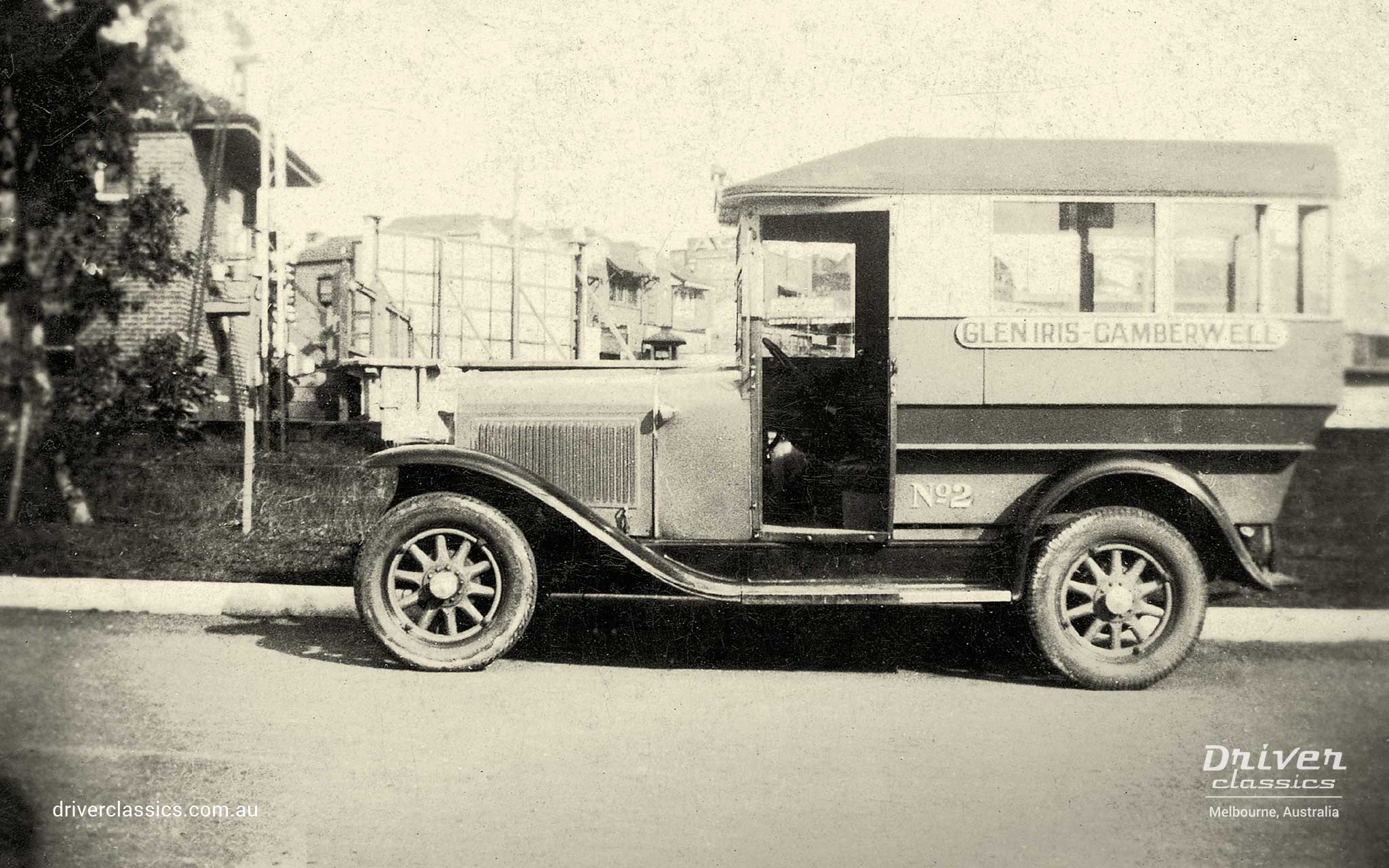
- Driver Brothers commenced a timetabled service with their two Pontiacs on the Camberwell-Glen Iris route on March 31st 1931, working alongside one competitor that would not operate to a timetable
- By late 1932, Driver Brothers had eight competitors on the route
- In a bid to survive, Driver Brothers bought one of their competitors and added an additional new motor cab, increasing their fleet size from 2 to 4
- All told, there were now 11 motor cabs working on the route, which was unsustainable, so the Driver Brothers needed to be resourceful
- In 1934, a Driver Brothers application was successful with the service now being gazetted a bus route. All but the original competitor, which Driver Brothers later acquired, moved off the service
- From 1935, ‘engine out front’ 19 passenger Federals were the preferred bus brand
- Driver Brothers built their own bus depot and Ferndale Motors service station on Glen Iris Road in 1939
1940-1969
The war years and charter expansion
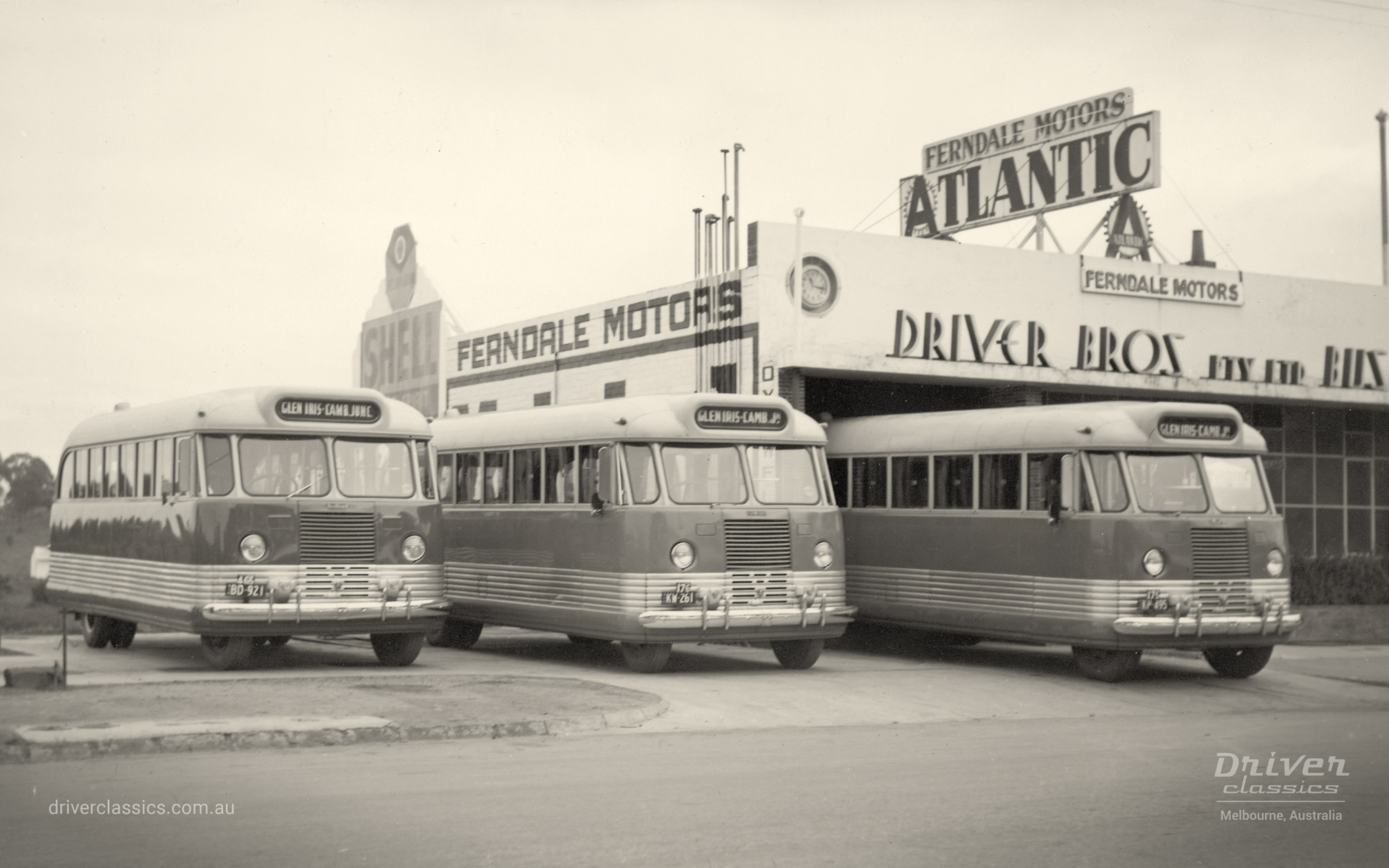
- The bus business was now strong and in 1947, Driver Brothers transitioned to modern post war General Motors Bedford OB ‘flat front’ buses and later, larger Bedford SBs
- In 1960, the route service expanded to Chadstone, Melbourne’s first regional shopping centre
- By 1969, the fleet had more than doubled in size, now at 9, to cater for route service and charter expansion
- Eric’s two sons, Daryl and Gary, joined Driver Bus Lines in 1967 and 1970 respectively
1970-1979
The first coach arrives and ushers in a move to up market luxury
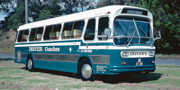
- In 1970, the first charter coach was purchased, #10, a 45-seat Bedford VAM 3 Comair
- Eric, Linda, Daryl and Gary Driver bought Reginald and Marjorie Driver’s shareholding in 1974 and properties in 1975
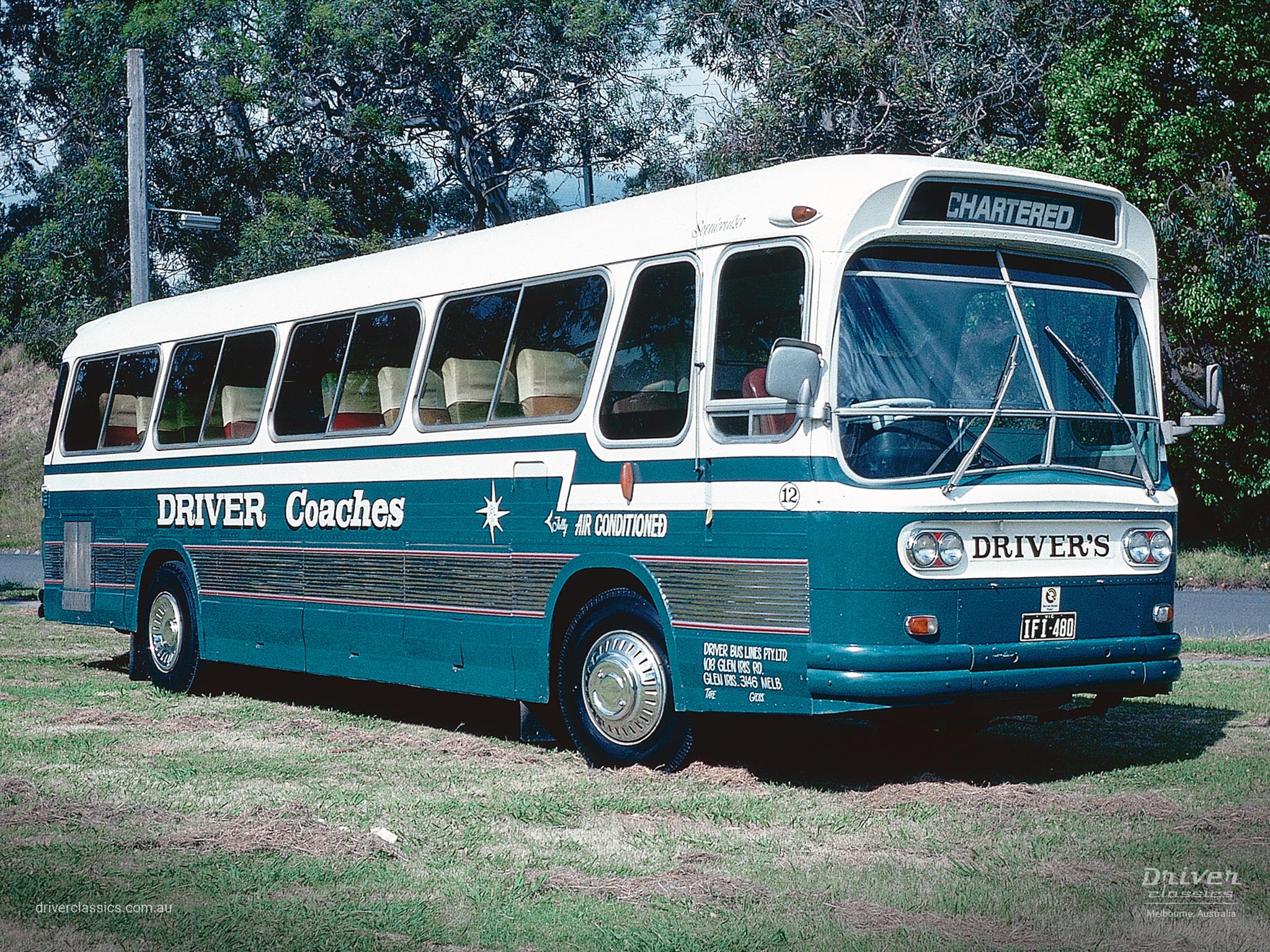
- The first GM rear engined, air-conditioned coach, #12, was acquired in 1975 ex Ansett Pioneer
- Driver Bus Lines began hiring coaches to Ansett Pioneer for Melbourne day tours
- The route was extended to Box Hill in 1978 with the takeover of Curren’s Bus Service
1980-1989
Dealing with the State Government
- Reg Driver passed away in 1981 and Eric Driver in 1982
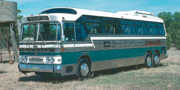
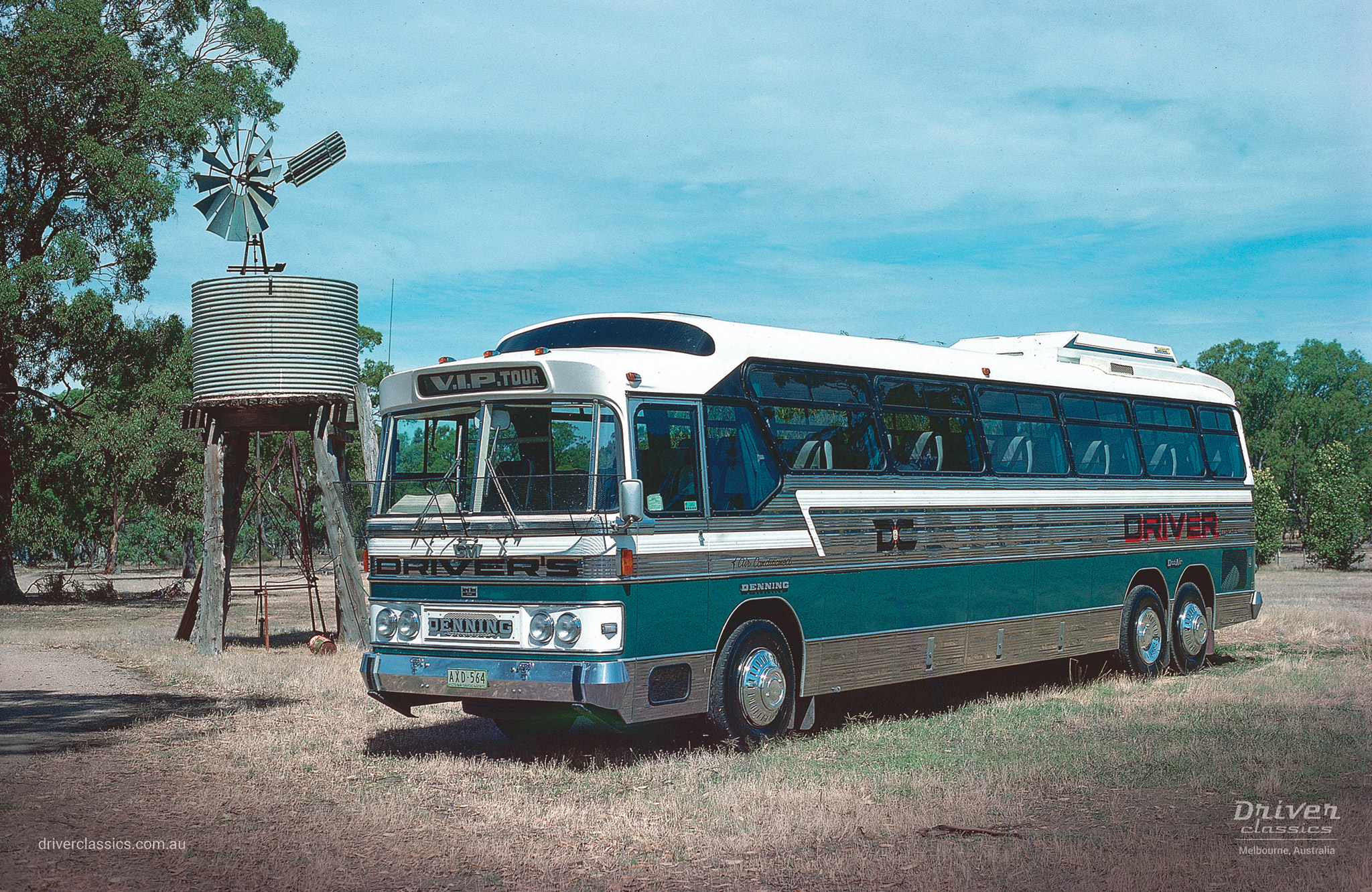
- A 1954 Ansair Flxible Clipper was acquired in 1983 and became the start of the Driver Classics heritage collection
- The fleet size in February 1986 was 19
- The State Labor Government embarked on a “Go or Grow” plan to rationalize private route service operators in Melbourne
- Driver Bus lines responded in September 1986 by acquiring Shave Bus Service with 35 buses, 3 routes, 28 licenses and their Mt Waverley bus depot, with government approval
- Shave Bus Service was soon re-named Waverley Transit
- In 1988, the State Labor Government called for tenders on all Melbourne bus routes and awarded the three Shave routes to a new, neighbouring operator that had 60 government contracted buses but no routes to operate them on
- Waverley Transit, with the support of all of Melbourne’s family route service operators, took the State Government to the Supreme Court…and won. The Supreme Court found that the State Government had acted improperly and the contract with the new 60 bus operator was quashed
- The State Labor Government appealed the ruling…and lost again
- In May 1989, Driver Bus Lines acquired Pioneer Trailways in Melbourne (previously Ansett Pioneer) including 4 coaches and 26 Ansett Pioneer day tour licenses and began a day tour program trading as Pioneer Tours
1990-1999
Expansion into premium sightseeing
- In the early 1990s, Daryl Driver’s three daughters; Kym, Shelley and Angela, began working for Pioneer Tours
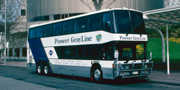
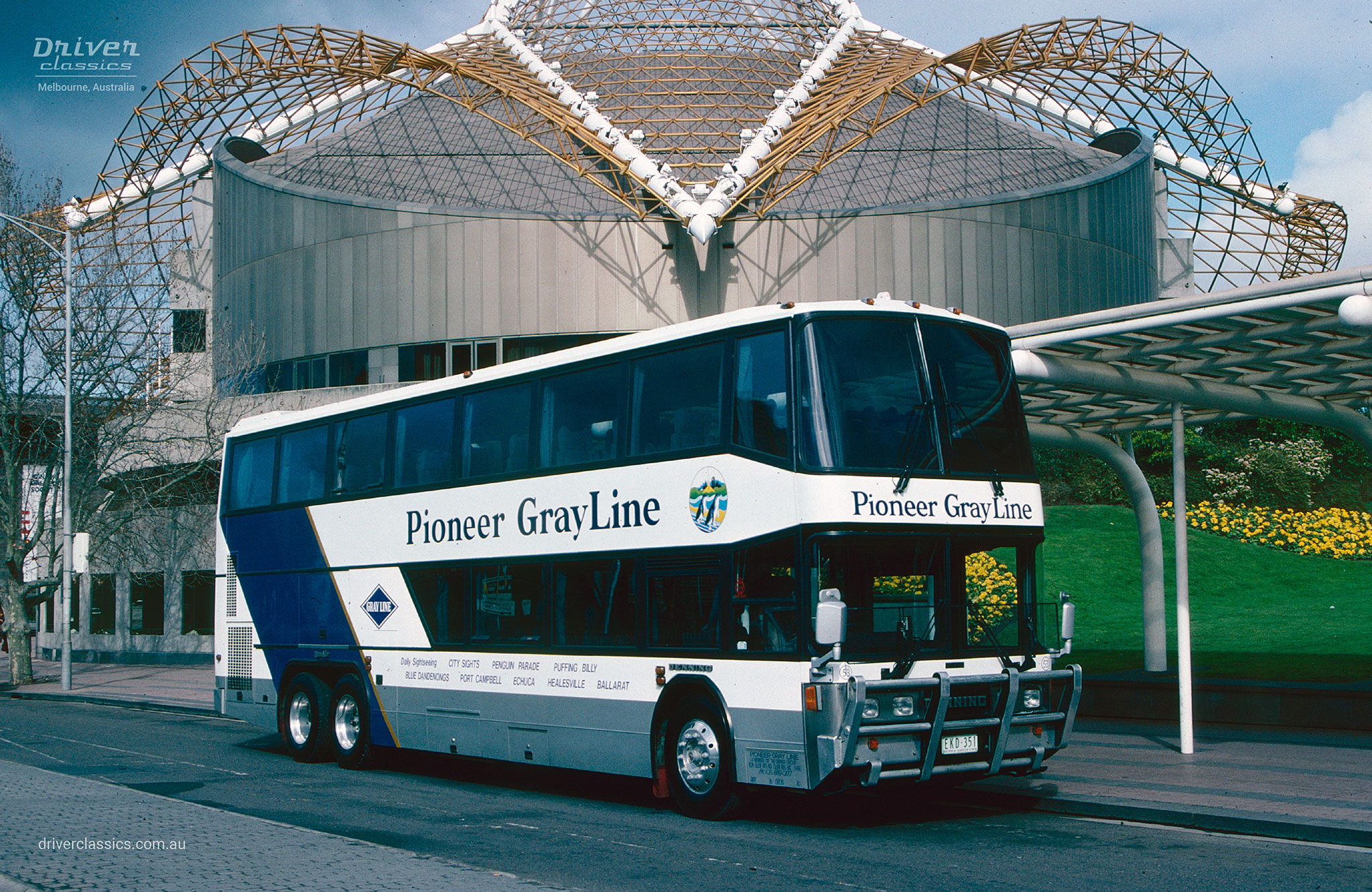
- In February 1991, Pioneer Tours was accepted as a member of the global Gray Line sightseeing organisation, and was relaunched as Pioneer Gray Line
- In May 1992, six route buses and licenses from Nuline Bus Service were acquired
- Southern Sights, later to become Great Sights South Pacific, was launched in 1992 as a budget sightseeing brand
- Pioneer Gray Line became Gray Line Melbourne in 1993
- A larger Mt Waverley property was acquired in 1993 with a capacity for up to 100 buses and the original Shave depot was later sold
- As of August 1993, the fleet size was 60
- In 1994, Great Sights South Pacific day tours in Sydney was acquired
- Driver Bus Lines Pty Ltd became Driver Group Pty Ltd (DG) in July 1996 trading as Driver Bus Lines, Gray Line and Great Sights
- “Tours, Information and Bookings” launched at Melbourne Central in October 1996, DG’s first retail ‘direct to public’ tourism outlet
- A 31-vehicle charter/sightseeing company, Clipper Tours/Gray Line Sydney, was acquired in January 1997
- Clipper Tours was sold in February 1998, but Gray Line Sydney retained
2000-2009
Taking our Gray Line premium sightseeing national
- In November 2000, Driver Group purchased a controlling interest in Gray Line Adelaide
- Gray Line Tasmania and Gray Line Brisbane/Gold Coast were both set up in 2001
- Gary Driver’s three children, Kelly, Mark and Glen, all joined Driver Group between 2001 and 2007
- Melbourne City Explorer hop-on, hop-off service was acquired in 2002
- Gray Line Cairns and the Great Barrier Reef was purchased in 2003
- Great Sights Adelaide launched later that same year
- Gray line Perth commenced in 2004 followed by Gray Line Alice Springs and Uluru
- “Best of Australia” Travel Centres began in 2004, with 2 external partners, and over time, had retail outlets in Melbourne, Sydney, Alice Springs, Adelaide, Perth and Cairns
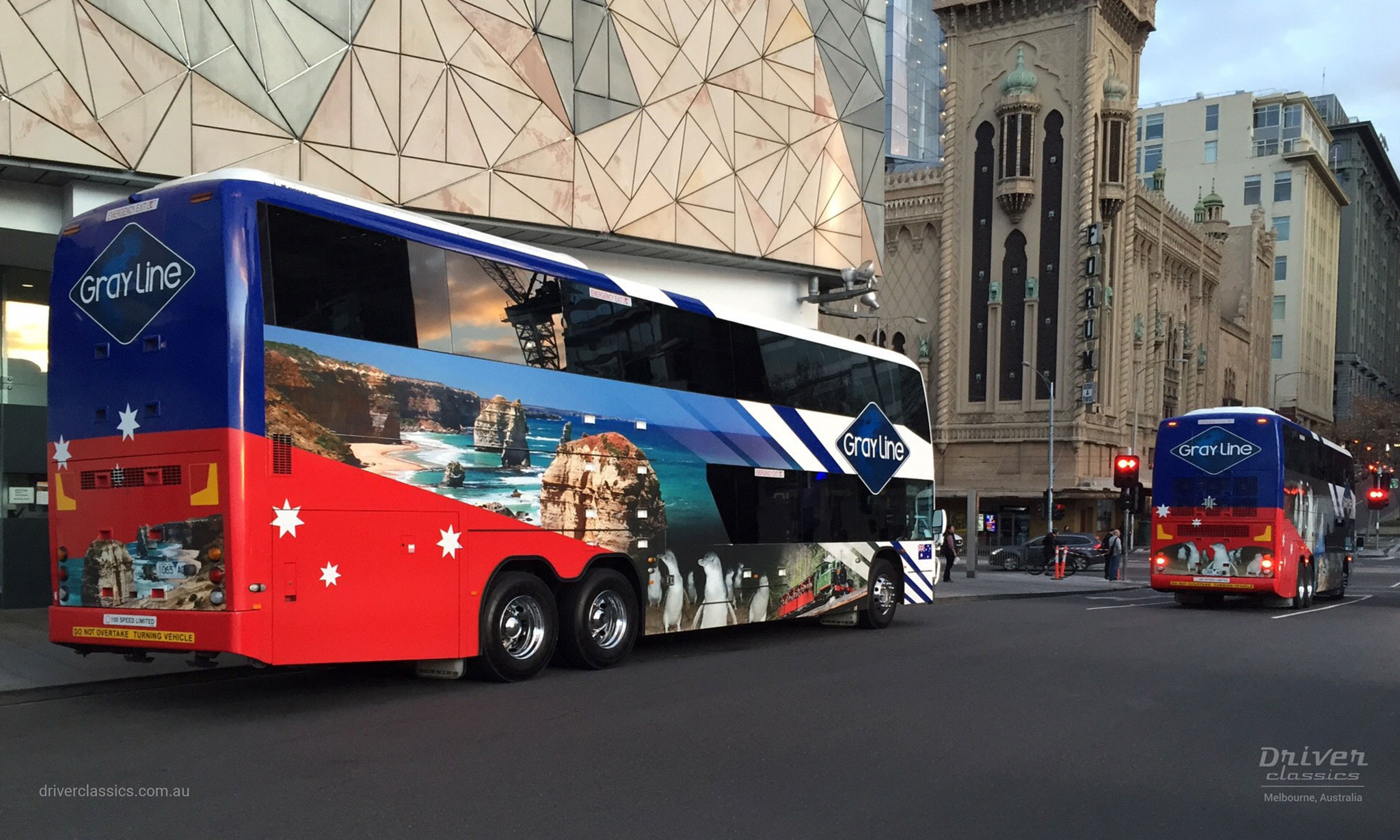
- Gray line Darwin was launched in November 2005, the final link in a nation-wide Gray Line network
- Gary Driver was appointed Chairman of the Board of Gray Line Worldwide in 2007, the first non-North American to chair the Gray Line Worldwide board
2010-2019
A change in direction: route buses go and school buses grow
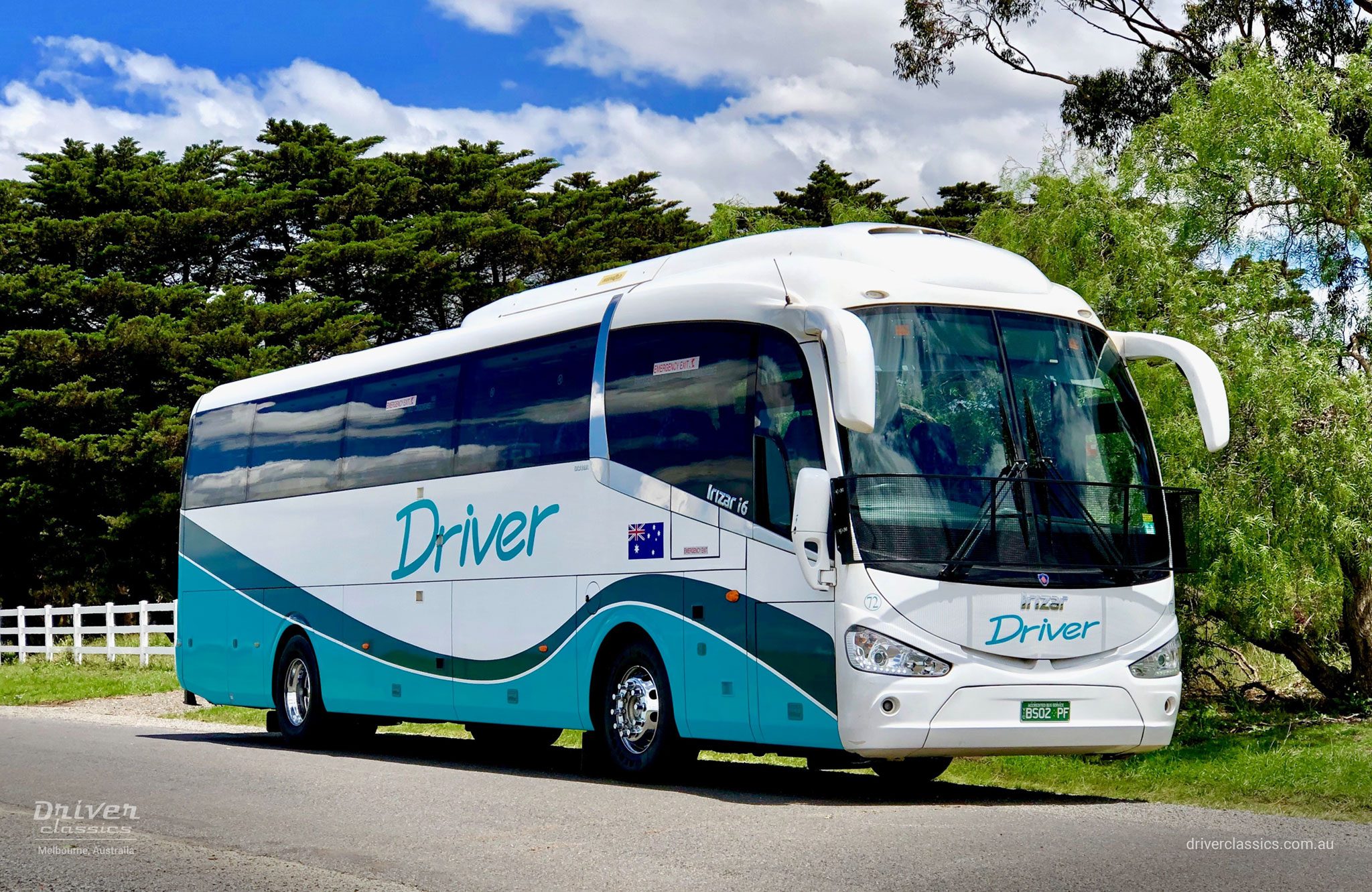
- Four school bus operators, with 28 buses between them, were acquired on Victoria's Mornington Peninsula in October 2010 and relaunched as Driver Coastal
- Driver Group’s 2010 fleet size was 120
- A bus depot in Hastings was later acquired and expanded over time, to park up to 100 buses and the original Glen Iris Road bus depot was sold
- Driver Group’s 5 route services and 42 contracted route buses were sold in 2013
- Driver Group (DG) became Driver Group Australia (DGA)
- Interstate based coaches were brought back to Melbourne to cover local commitments
- Interstate sightseeing was contracted out and large additional fleet purchases made
- Best of Australia Travel Centres, later Australian Visitor Centres, was progressively closed in 2018/2019
- In November 2019, DGA with a minority partner, opened Discover Melbourne, a tourist retail outlet across from the Visitors Centre at the Melbourne Town Hall
2020 Onwards
Adapting to a changing market with a new focus
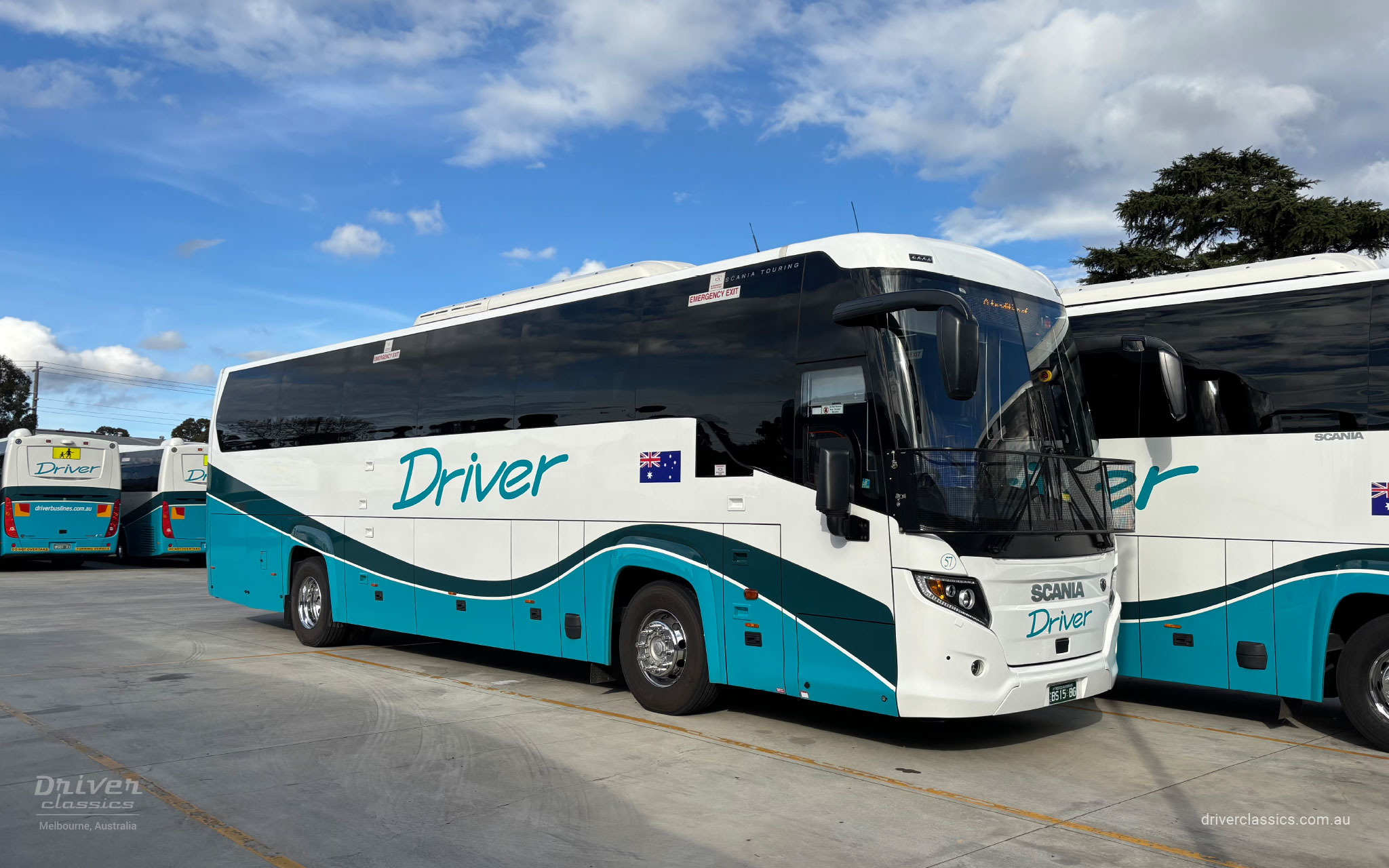
- In 2020, the Covid19 pandemic hit hard with sightseeing going into hibernation while bus charter was able to remain open during lockdowns for essential work
- The recently opened Discover Melbourne tourist retail outlet was permanently shut down in March 2022
- In December 2022 sightseeing re-opened into a now small market while charter was strong
- Sightseeing was closed permanently in November 2023 after 34 years of Driver family operation
- A satellite depot for up to 20 buses in Rosebud West (Capel Sound) on the Mornington Peninsula was developed in 2024
- Driver Gippsland commenced at Morwell in 2025 with a small number of buses
- Driver Group Australia’s fleet size in July 2026 was 150 with an additional 19 vehicles in the Driver Classics heritage fleet
Driver Group Australia has built an enviable reputation for service and quality in all aspects of operation. Driver Group Australia plans to remain family owned and to strengthen operating areas as and when required. The second and third generations of the Driver family are continuing to build on the strong foundations, goals and principles of the founding Driver Brothers.
Click here for a Full Version of Driver Bus Lines Company History.